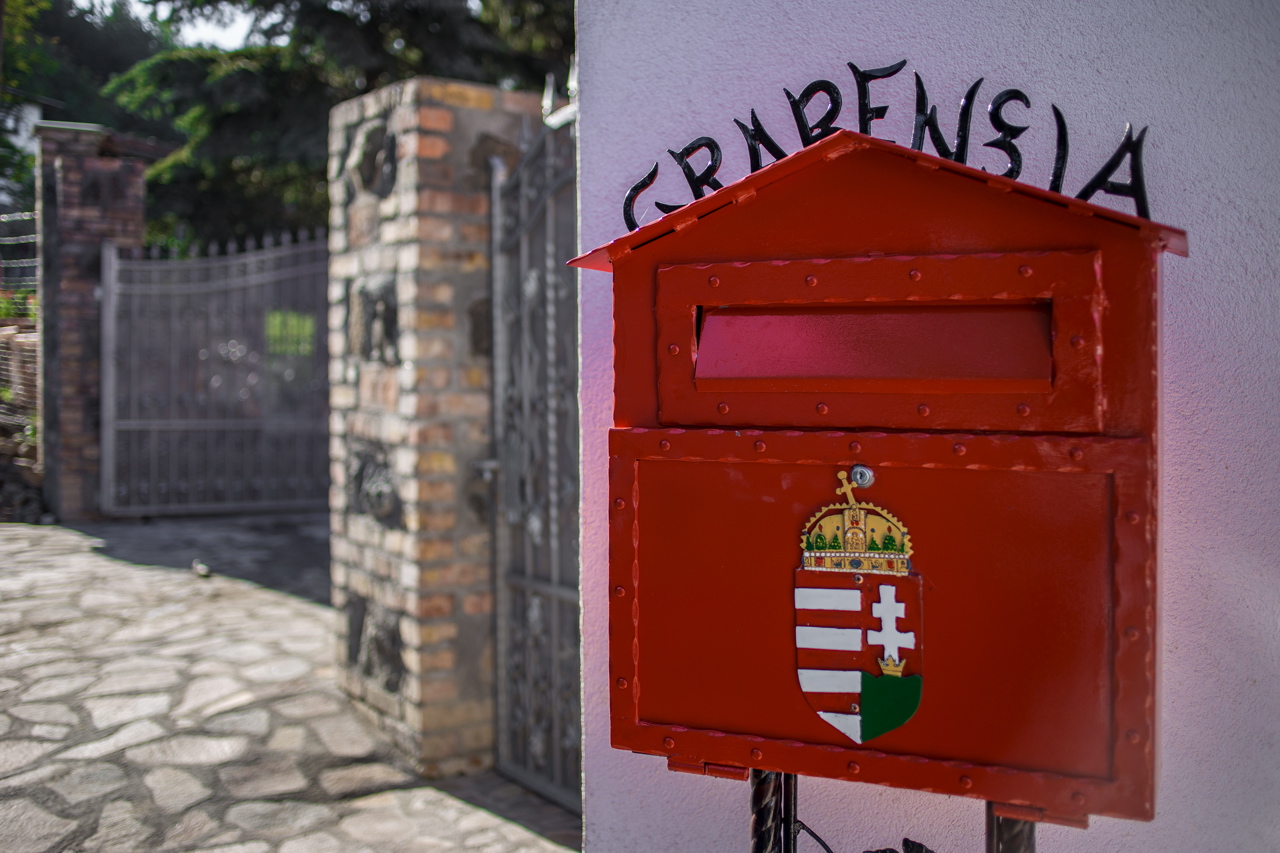


GRABENSIA

the thousand year old village
Shangri-la in Hungary

The oldest locality in this area had several names in the Middle Ages: 
1179: Grabensia
in 1181: Gravia
in 1265: Grab
from 1281: the currently used Garáb.

After the ages of the settlement of the Magyars in Hungary the vicinity belonged to the property of the Kökényes-Radnót clan who founded a monastery of the Premonstratensians before 1179 at this area. According to the charters in 1265 the village was owned by the local Premonstratensian monastery named after Saint Hubertus.

In 1436 the local monastic quarters were abandoned and became the property of the Premonstratensian monastery of Ipolyság. In 1446 it was owned by a certain Sámuel Palásti Radó and later in 1447 by the Hungarian governor János Hunyadi who donated it to János Vingárti Geréb. In 1478 the village was part of the lordship of Zagyvafő.

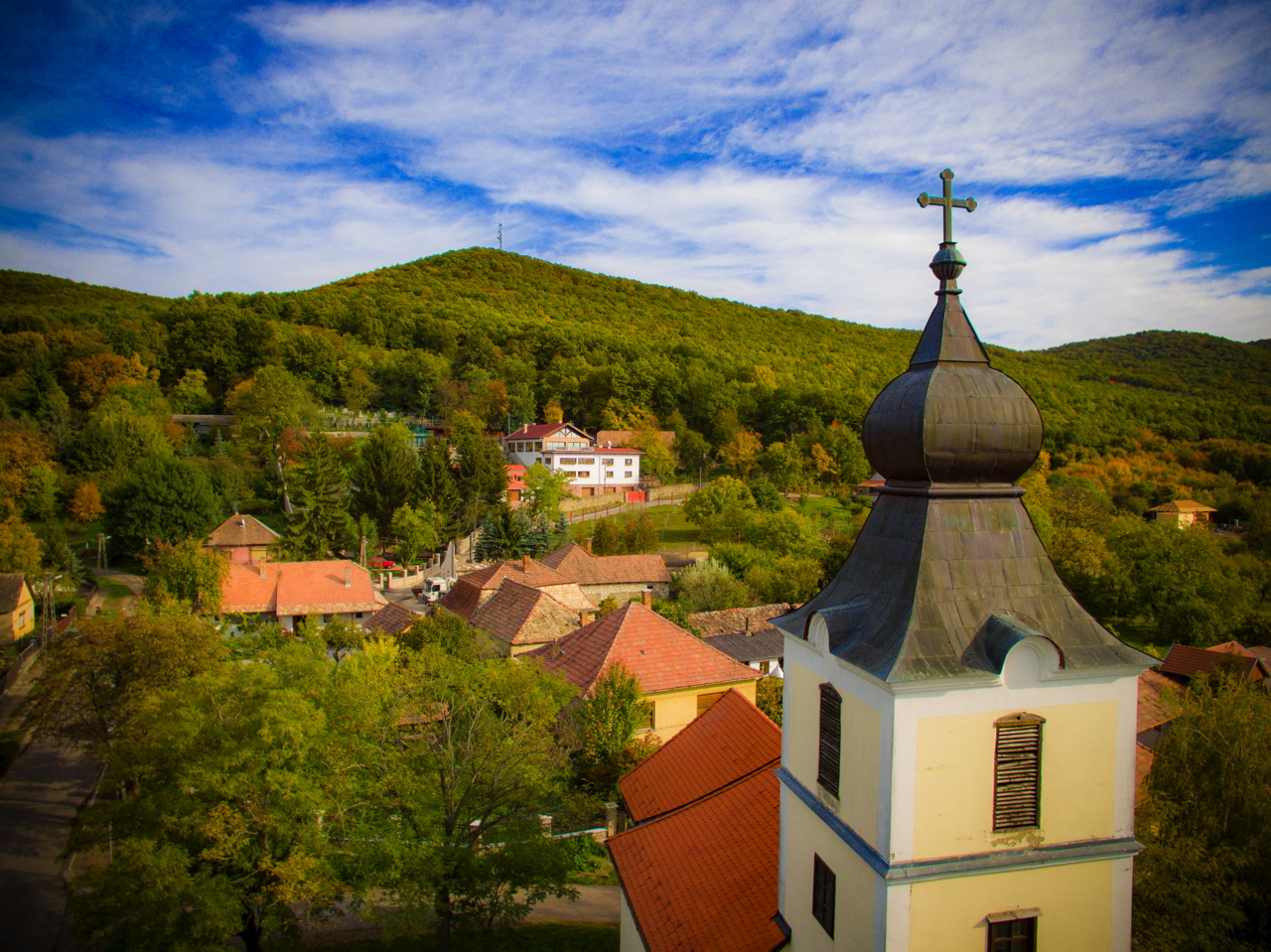
It remains unknown, how the Turkish period and the history of the siege wars taking place in the county played out in Garáb. It is a fact that after the expulsion of the Turks in 1688 the village became the propriety of the Jesuits from Besztercebánya; the Roman Catholic Church in the village built in baroque style was also constructed by them.

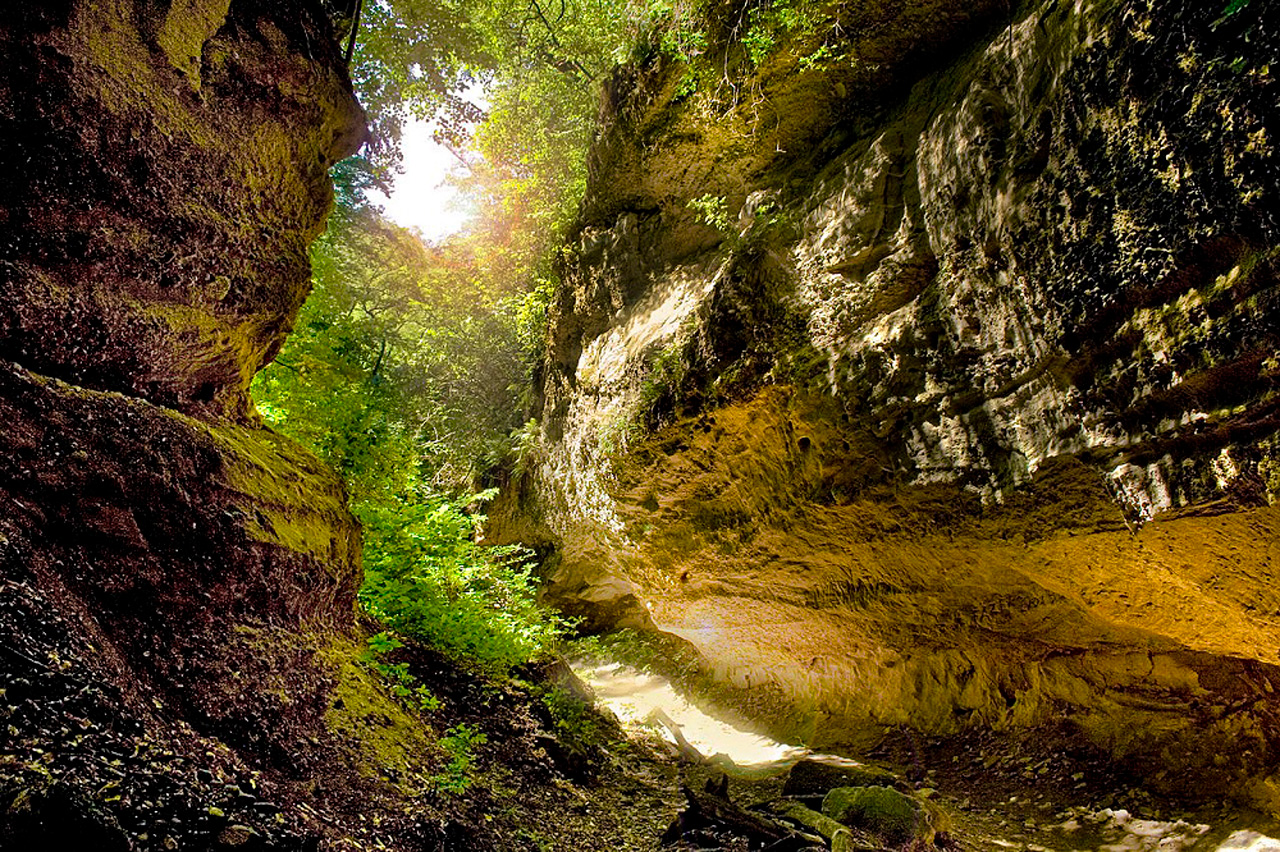
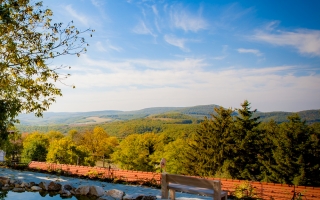
Because of the attractive location, natural beauty, clear air and huge forests of the small village situated in the territory of the Natural Protection Area of the Eastern Cserhát, it became a popular holiday resort from the end of the 20th century.

Terrain

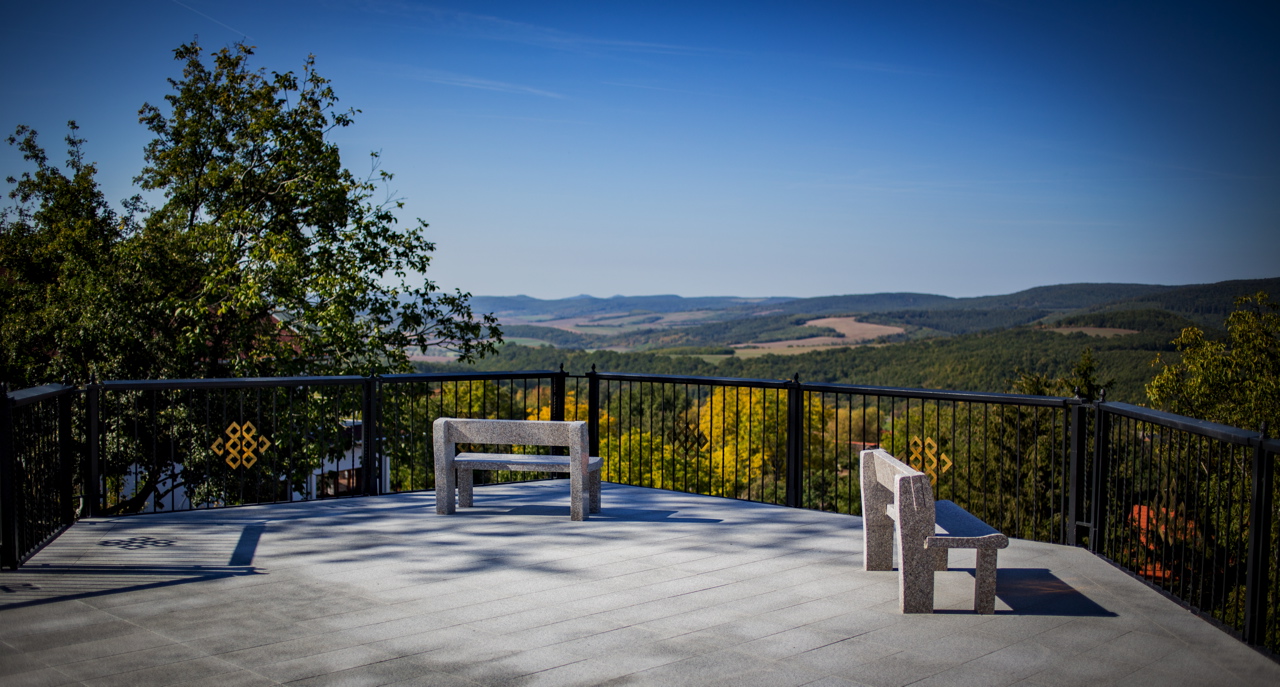
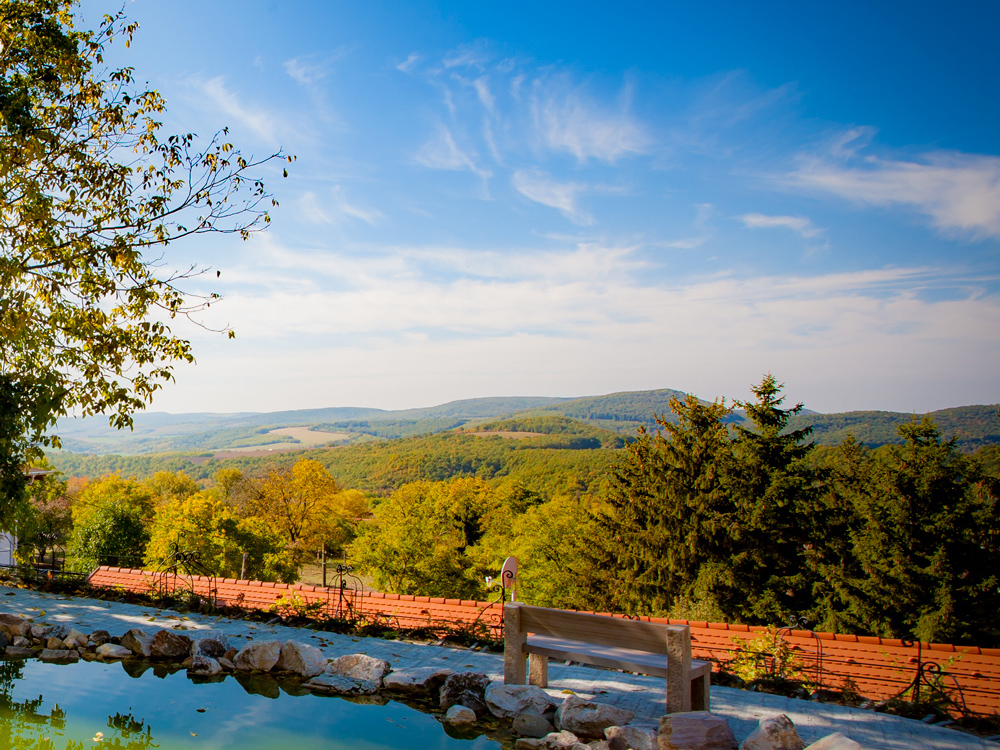
It is one of the most beautiful, highest-situated villages of the Cserhát, which is located in the Natural Protection Area of the Eastern Cserhát, approximately halfway between Pásztó and Szécsény, approximately 75 km from Budapest. The setting loved by tourists lies between forests, streams and old volcanic mountains 375 meters above sea level.

The serene environment paired with clear air attracts many who wish for rest. The route of the National Blue Trail also runs between the neighboring mountains

(Hármashatár hegy 516 m, Nagykő-tető 551 m, Macska-hegy 574 m, Purga-hegy 575 m, and the one with the platform, Tepke 567 m). In 2014 the number of constant inhabitants is 49, more than half of the buildings in the village function as weekend houses.
Attractions

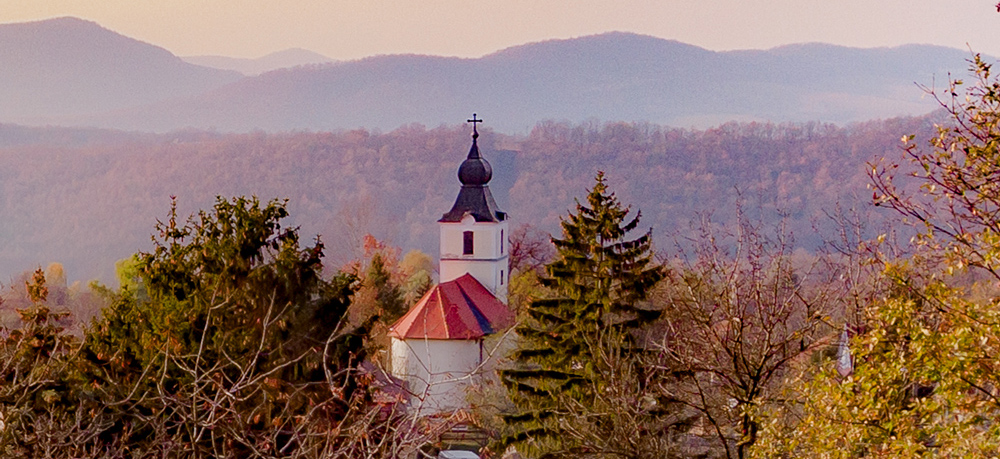
In 1171 a Premonstratensian monastery was founded in the village. The monastery of Garáb was abandoned in 1436, but some walls were still standing in 1797. The lands of the monastery were later received by the Jesuits, who built the predecessor of the church of today. This was renovated in 1788, then, according to the Historia Domus, was rebuilt in 1804. It was destroyed by fire in1920, then the tower had to be renovated also.
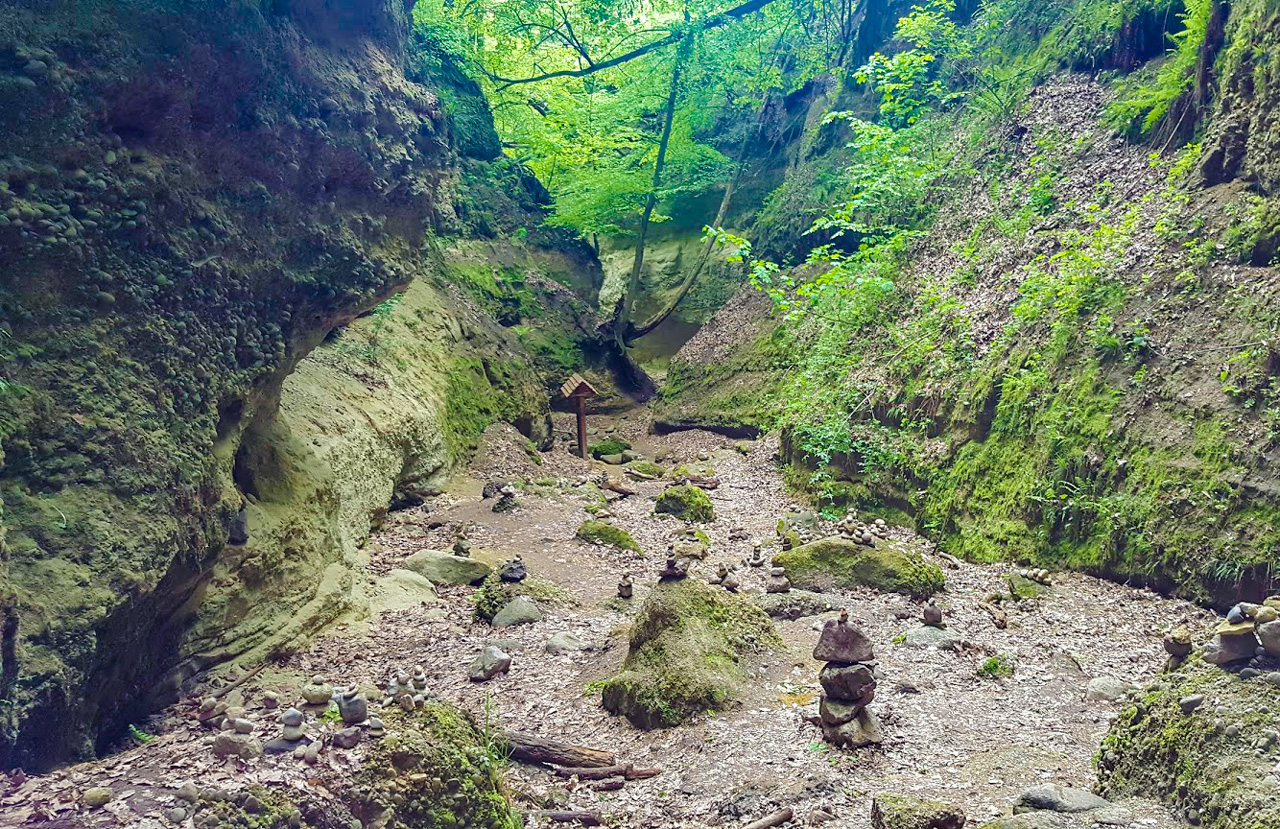
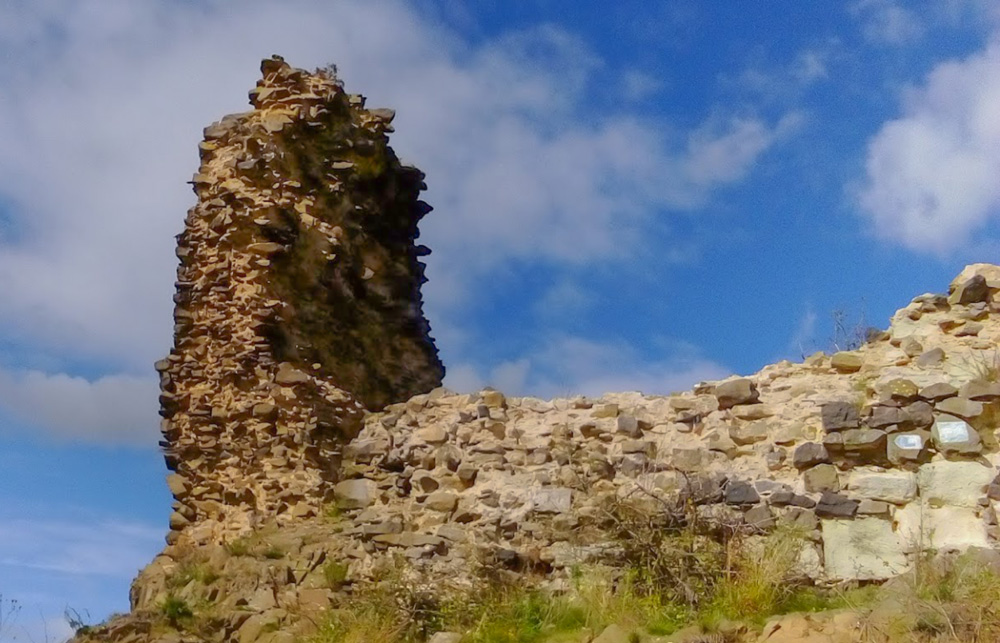
In the past holy places were built in sites with unique energies. Under Garáb, there are the ruins of a thousand year old monastery built of white stones.

During earlier excavations the bases of the walls were found, but they were buried again. There was a church and a monastery in the village as well. It is really difficult to find the ancient ruins, because the local populace knocked down the deserted monastery and built their own houses from the stones.

When drilling down in the earth, at 1-1.5 meters you find charred remains, so the village probably was burnt many times. In the upper part of the villages old graves and bones are often found. During excavations many ceramic parts were found from the Árpád era.

The place has been inhabited since time immemorial. This is proven by the stone ramparts of Kerek-bükk and Macska-hill (“Cat hill”), which were built by the people of the late bronze and early iron age.
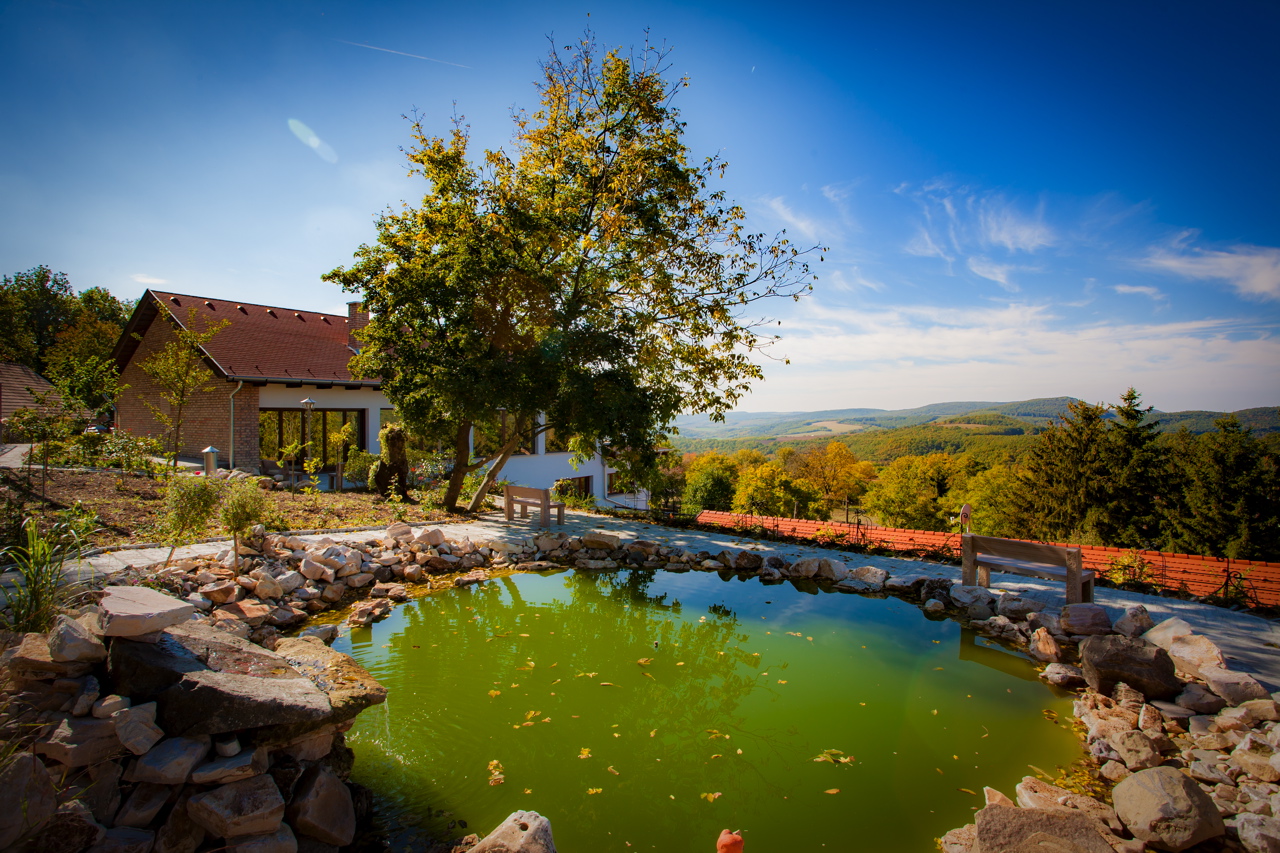
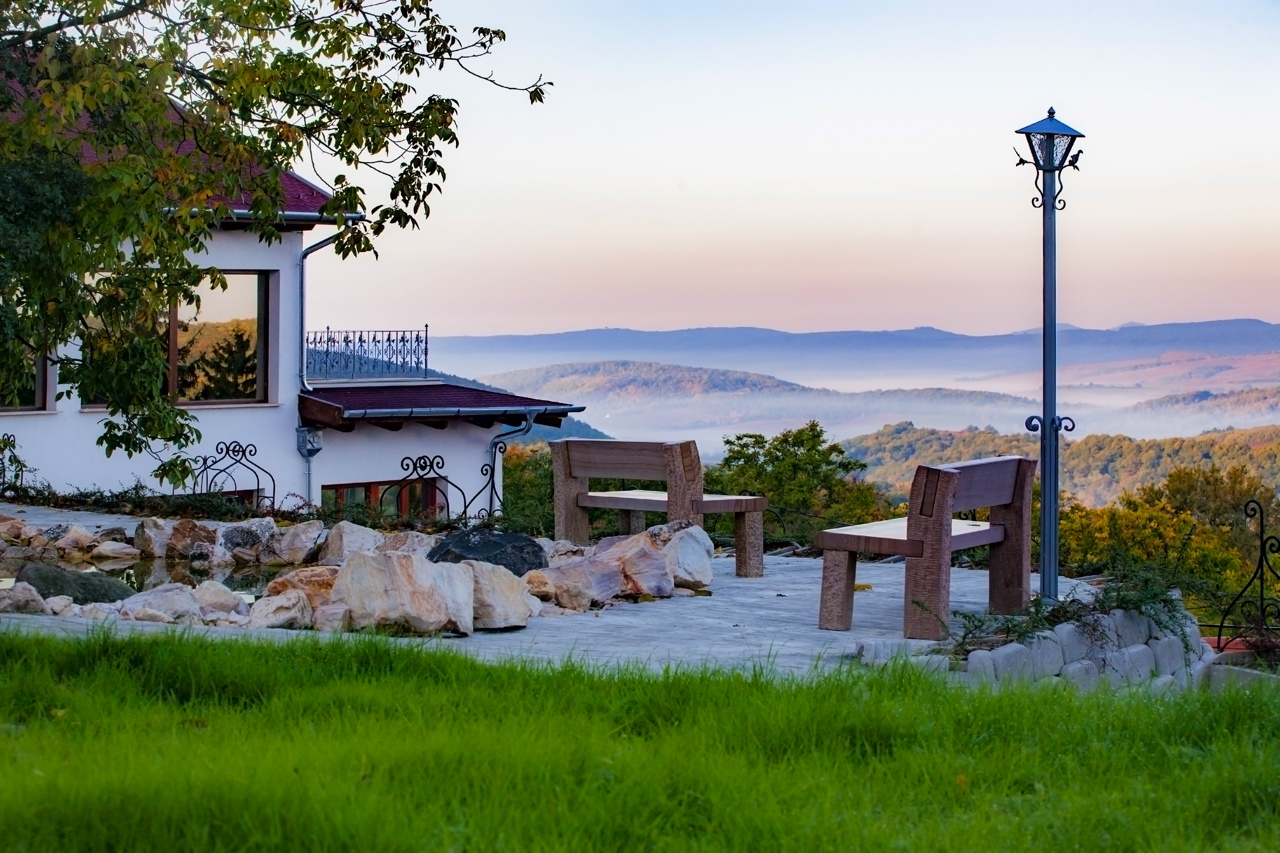
View the embedded image gallery online at:
/en/#sigProId105125e1b9
Shangri-La

"I do not fear death, but as I am already here, I would like to live immortality."

Lajos Marschalkó

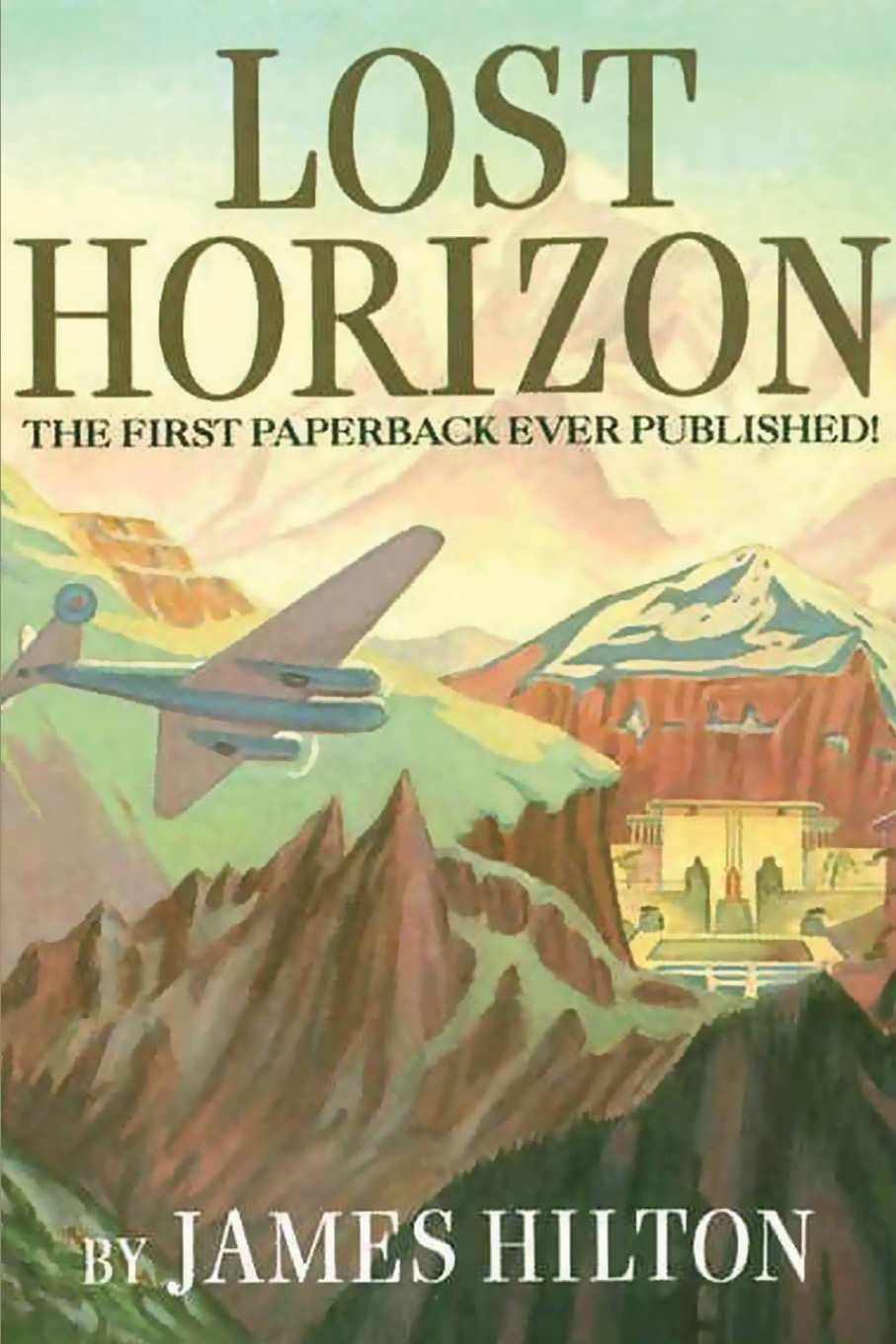
When I first visited Garáb in 2003 I remembered the book of James Hilton, Lost Horizon. A world far from everything, surrounded by exquisite natural beauty. I bought the house I looked at almost without thinking. The history of Shangri-La plays in 1931. From the northern part of India, from the city of Baskul 80 British officials are evacuated to Peshawar because of the uprising of the locals.

The airplane is hijacked underway and fly towards Tibet. The plane has an emergency landing among the mountains of the Himalaya. The four survivors find a valley between the mountains where a unique monastery stands. There is central heating in the buildings, bath tubs in the rooms, a huge Western library and a piano. Food is grown in the valley. Those living under the climate of this inner world reach an extraordinary age. The lama leading the monastery is a Catholic monk from Luxembourg named Perrault who is already 250 years old.

The monk constantly developed the place and newcomers attached them to him who found the valley – many of them are well over a hundred years. They do not show their ages. But those, who leave the valley reach their real age fast. The four newcomers are welcomed with love. Three of them find their places, but love arises between the young and handsome English second consul and a Manchu girl living in Shangri-La and they decide to flee. The history of Shangri-La sound like a fairy tale, but it is based on facts!

In reality, Hugh Conway, the British consul in Afghanistan disappears (he was probably on the hijacked plane), then he is found years later in a Chinese hospital in Chongqing. Conway suffers from amnesia, but as a colleague from the British consulate visits him, his memory returns for a while and tells his story, which is recorded by the official. Conway would like to go back to Shangri-La, but his illness makes it impossible, he falls finally in coma and dies.

The doctor tells the official that Conway was taken in the hospital by such an old Chinese lady he has never ever seen. The lady died shortly after. The story was documented by the English authorities, so it can be true. There is somewhere in Tibet an extraordinary place which is called Shangri-La and possesses unique abilities. But nobody ever found Shangri-La!

James Hilton never went to China. The Shangri-la mentioned by him in his book is an extraordinary garden somewhere in the mountains of Kunlun. The story raised the interest of National Geographic as articles appeared about the amazingly beautiful places in Eastern Tibet. In 2001 China claimed the name and renamed the provincial town situated at the Yunnan-Tibet border from Zhongdian to Shangri-La. The place is really wonderful. In 2014 I drove 6000 kilometers with my family in the province of Yunnan from south to the north and we visited fantastic places there like Shangri-La.

Unfortunately 60-70% of the 1300 years old town of “Shangri-La” was devastated in the fire of January 2014. We were there 3 weeks after the fire. In the ancient Tibetan writings seven special paradisiacal (garden of Eden) holy places (Nghe-Beyul Khembalung) so called beyuls “hidden places” match Shangri-La. These places were created for monks pulling out from the world by Padmasambhava in the 9th century. According to the Tibetan the name Shangri-La dates back to the word Shambala (garden of Eden) of their language.

In Garáb high above the valley in the forest a meditative holy place was created by Christian monks one thousand years ago where they could pull out from the world. This is why you find the attraction by the spiritual force and beauty of the place.

I do not know if it is right to draw a parallel between a legendary, never found world and Garáb. But I still do.

Conway has found inner peace, the reason for living and love in Shangri-La. I have found the same in Garáb.

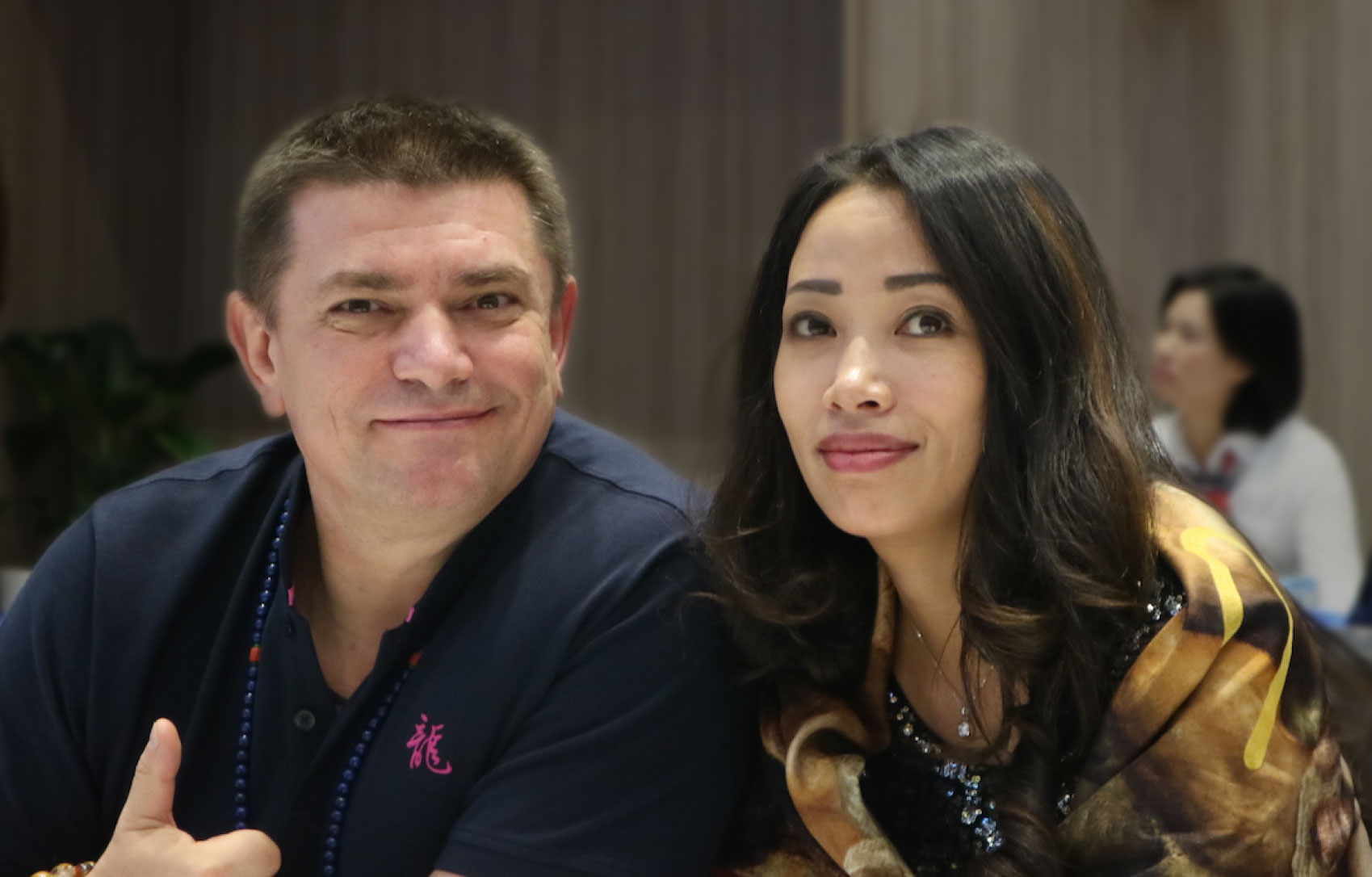
My wife Linda is Chinese, she comes from Manchuria as Lo Chen, the beautiful Manchu girl in Shangri-la.

The world has fascinated me even since when I was a small child. There are only a few places in the world where I have not been yet. I have visited many spiritual places, climbed the mountains of Europe, Africa and America, but I felt in Garáb, what Conway found in Shangri-La.

My life and mission

contacted meningitis at the age of 6, I spent 197 days in hospital. In those days 95 % of the children died from this disease or sustained severe brain damage. But God did not wish me to die. When my parents took me home from the hospital, I started to do curious things. I made chopsticks from the branches of a jasmine bush and I ate everything with it, even pea soup... Many thought, that I was not in the lucky 5 %...

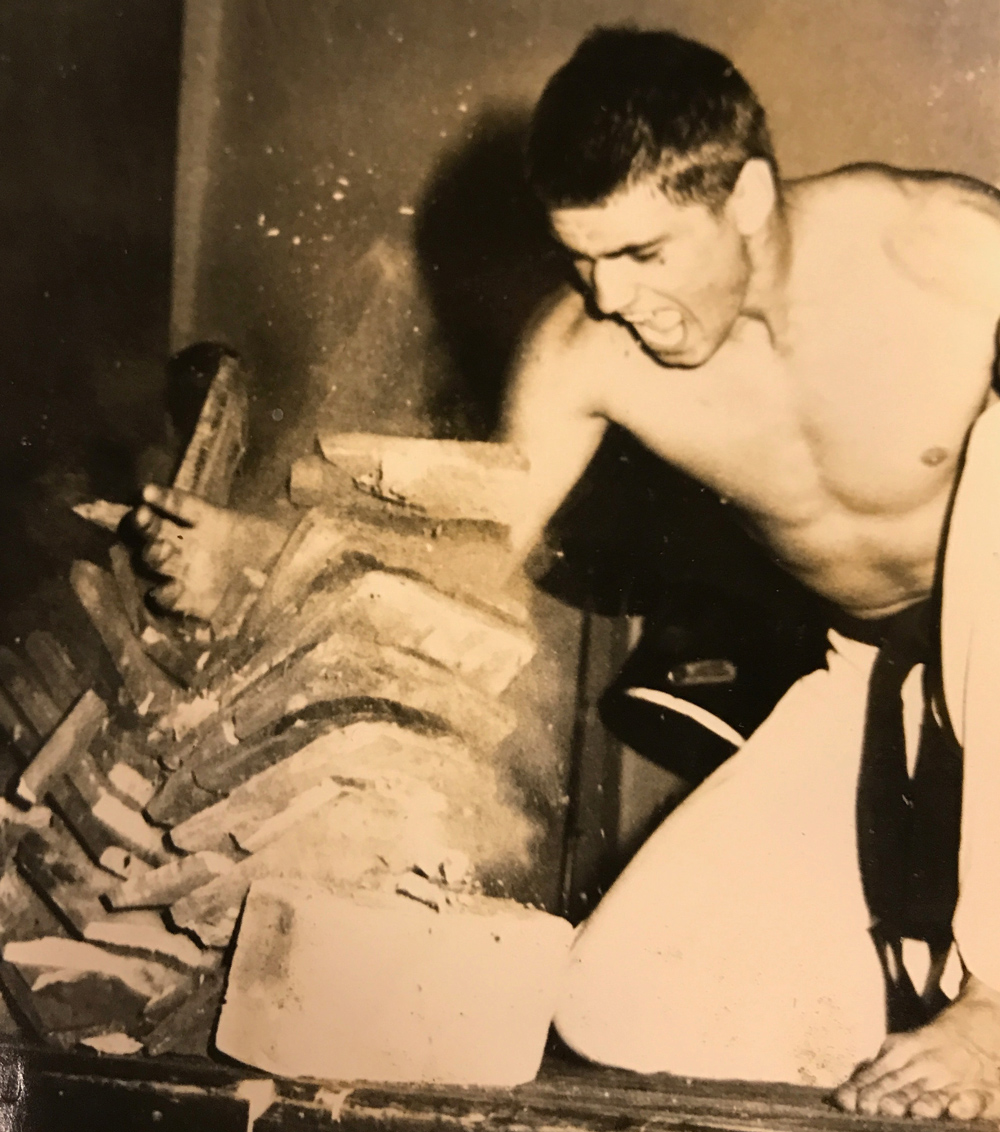
I always had strange ways and overdid everything from martial arts to studying.

I graduated from the University of Agricultural Sciences at Gödöllő and the University of Economics in Budapest... I went to MBA and PhD programs to lengthen my university years. Probably the reason for overdoing studying was the fact that there were beautiful girls at the university...

I also started learning languages because of the fairer sex. I learnt Chinese in a year, because I met a Chinese girl in Manchuria, Linda: she became my wife.


I visited China in 1988 for the first time, by now it is my home, just as it was home for our Hunnic ancestors, who sat on the Dragon Throne for 1500 years during the past 5500 years.

There is no way to happiness. Happiness is the path itself.

Buddha

The Middle Kingdom has a written history of 5500 years and 56 peoples speaking separate languages populate it, who nourish wonderful traditions. But the world of the metropoles suppresses the old traditional-spiritual values. There is nothing left, only the unrestrained hustle after money.

Many say, the God of the Chinese is money. I think it is perfectly true! In China, there is constant competition on the market, we do not know, when is enough, we cannot live and experience the joys of life.

Children are ruined through the overdriven learning, there is nothing before their eyes, only competition: how many points they have reached, in which group they are placed, in which school they will study further. There is no individual development, no individual possibility of progress, because the system does not let it; learning is a race.

I have many Chinese friends and they too wish for a normal life, spirituality, love, nature and the nearness of God... these are all there in Garáb.

Grass is growing, the cows and sheep are grazing, hens are laying eggs, pigs are raised in the forest... in the morning the kids collect the eggs from which we make our breakfast. We know the animals by name. Our cow provides lots of milk, from which we make yogurt, butter and cheese... next year its calf will give milk too.

I watch in the morning, how the peacock poses before the mirrorlike window and the hens are sunbathing on the roof in the first rays of the sun. There are many small joys in farm life, and only those are able to value it, who come from the pulsating world of the skyscrapers.

If we can tear ourselves only for a week from the stressful metropolitan reality, we can recharge ourselves in our Shangri-La, in Garáb, as a discharged phone on the charger. We have lived in Hong Kong with my family for the past 6 years, so I think I can accurately express from our own experience, how it feels.

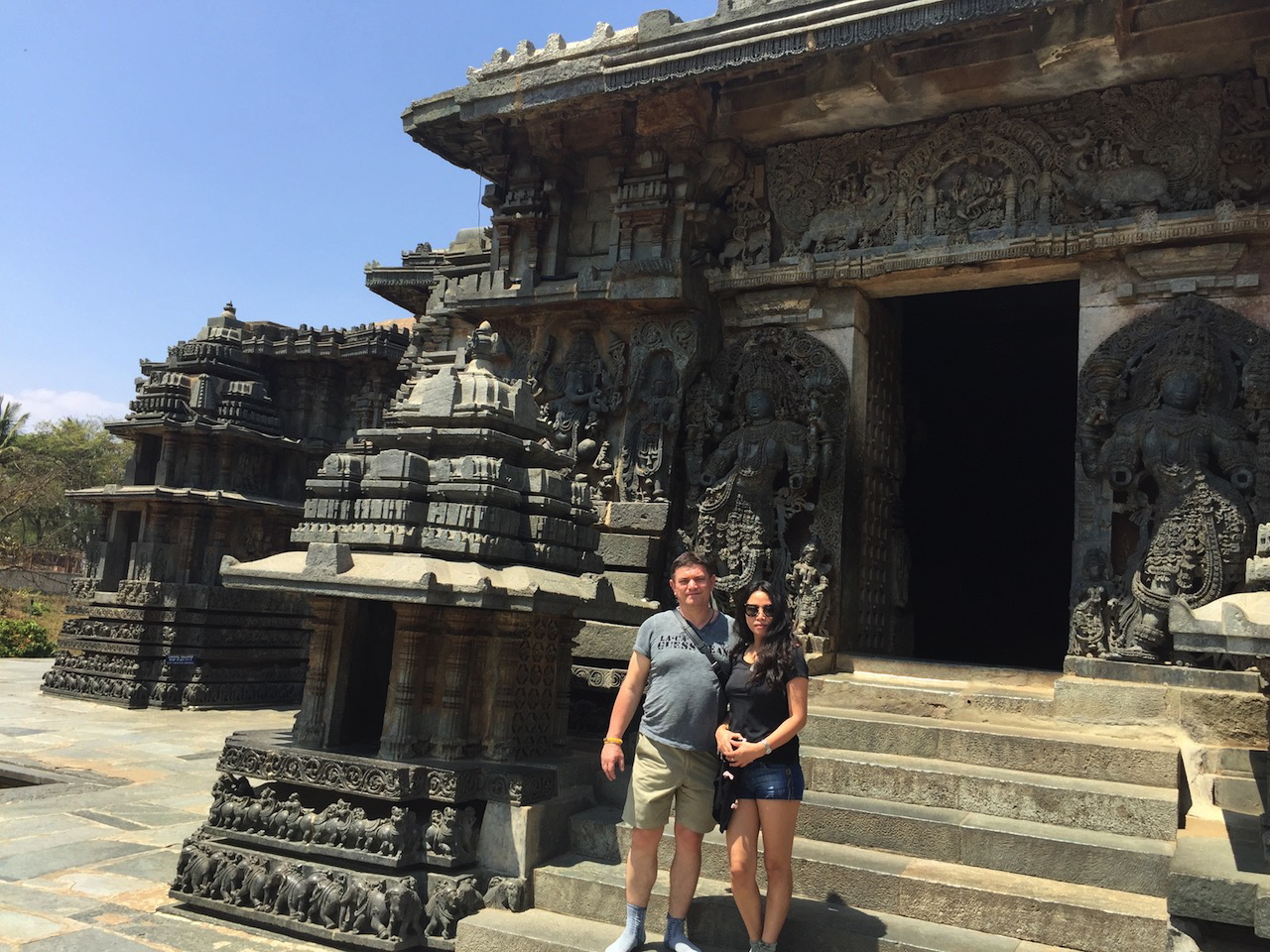
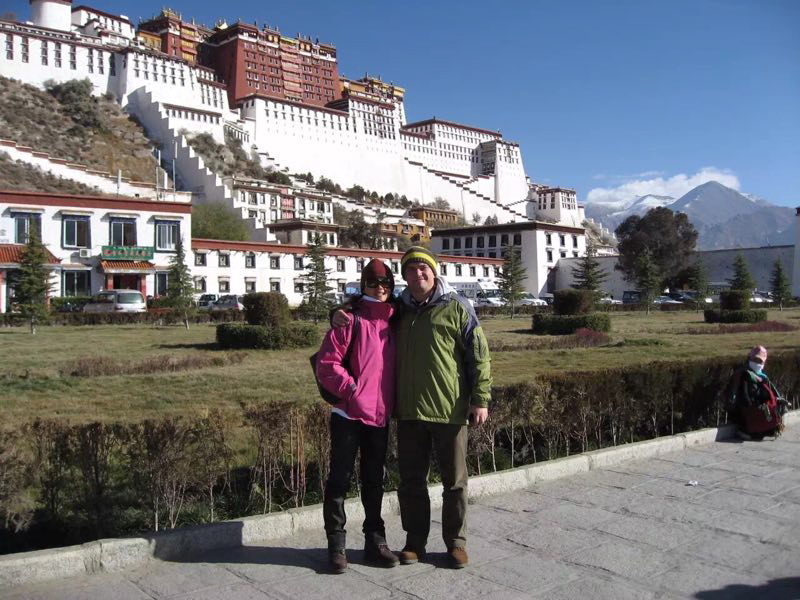
I have visited Tibet, the fantastic monasteries of Yunnan, among others the place called Shangri-La today. I have been to India more than 40 times, I have been hiking among the mountains of Nepal, I have visited the grave of Sándor Kőrösi Csoma in Darjeeling... I could list it for eternity.

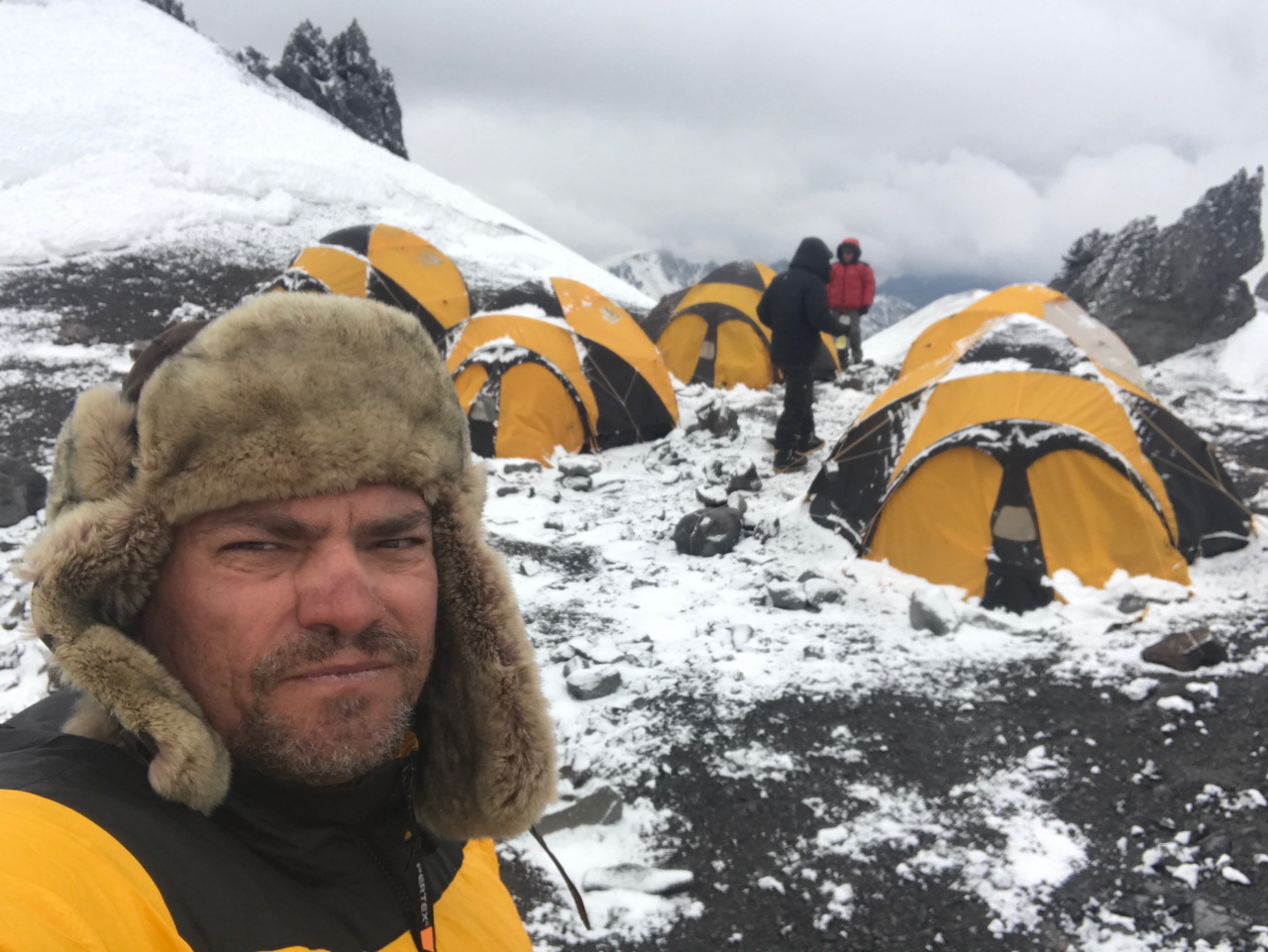
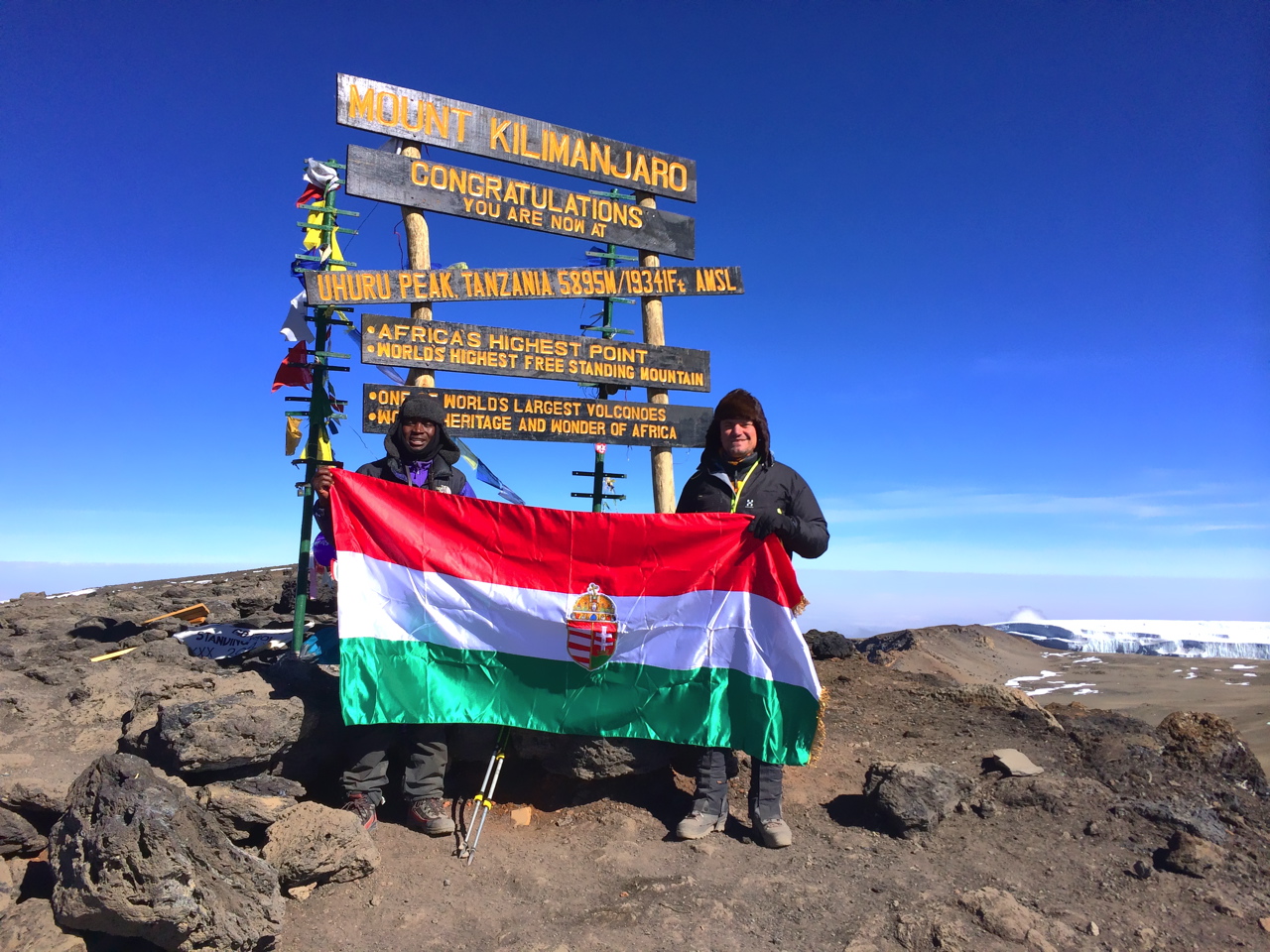
I have climbed twice the Kilimanjaro, climbed the 5895 meters high Uhuru summit to watch the thinning snow after the famous book of Hemingway. In June 2014 I almost died of pulmonary edema at 4600 meters...


But I changed my way of life, observed the advice of my Chinese doctor, drank consciously the herbal infusions... and three months later, on September 25, 2014 I stood at the summit of Uhuru, at the top of Africa. This gave me courage to climb other peaks.

 
View the embedded image gallery online at:
/en/grabensia-en/shangri-la-en#sigProIdb2b89ecfbf

At the same time at 50 years of age I completely changed my way of life and my eating habits. I do not eat meat or drink beer, or anything cold... and it works, though the European doctor said I would die if I climbed over 5000 meters...

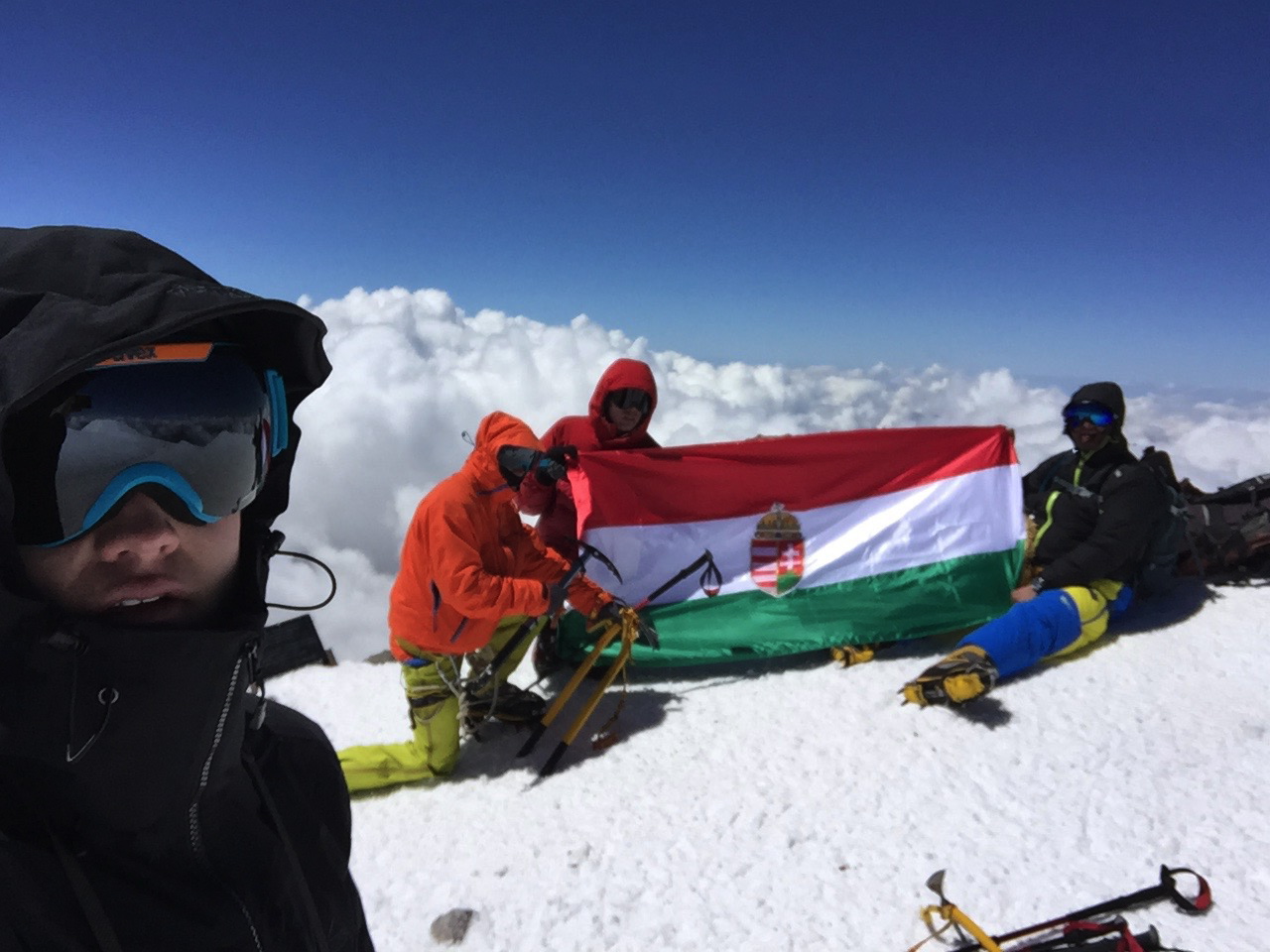
In 2015-2016 I tackled twice the adversities of the highest mountain of geographical Europe, the Elbrus of 5642 meters. In 2015 the sleet conquered us and we did not have the time to try again.

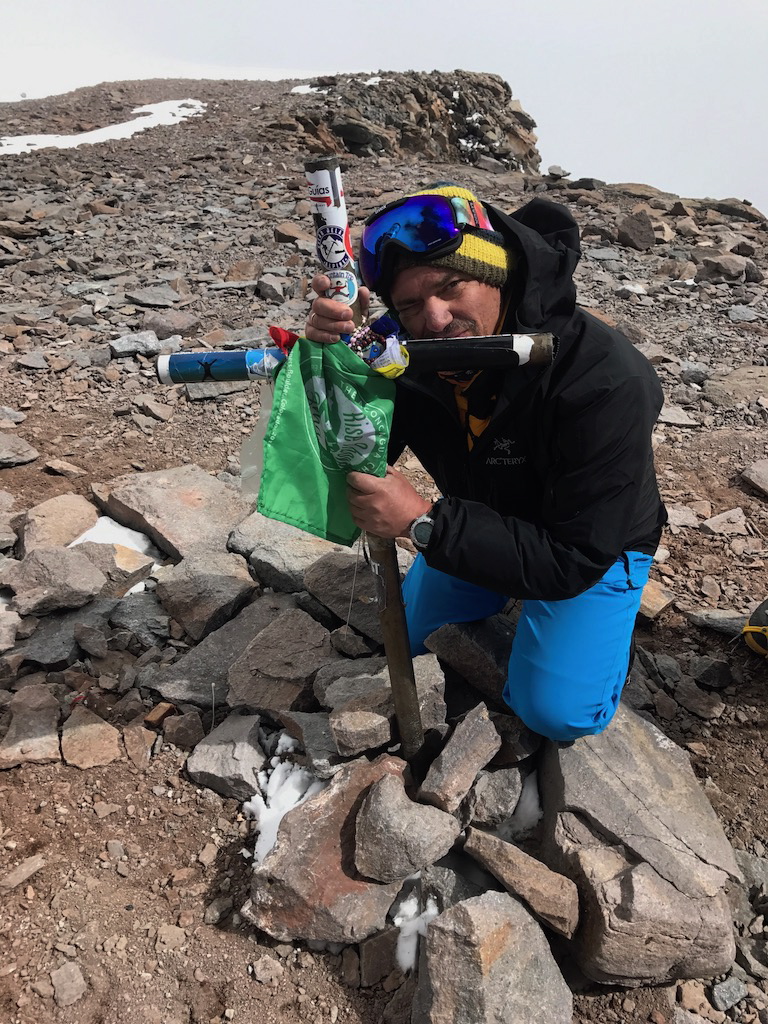
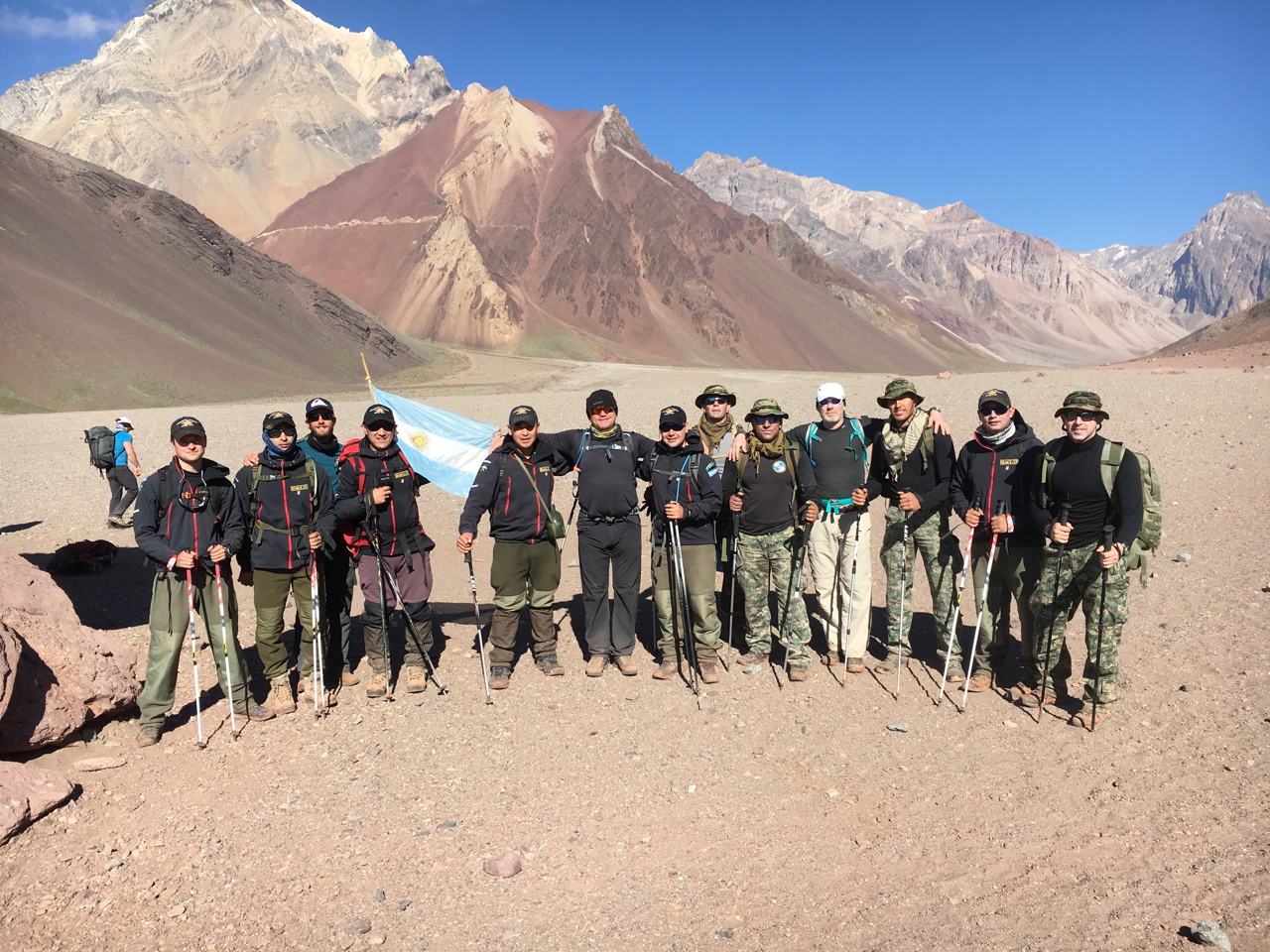
But in 2016 I was there again and climbed the western peak from the north side with my three sons. Those who climb know what it means. The 6962 meters peak of the Aconcagua is the highest point of the American continent. Many try but only 30 % succeed.

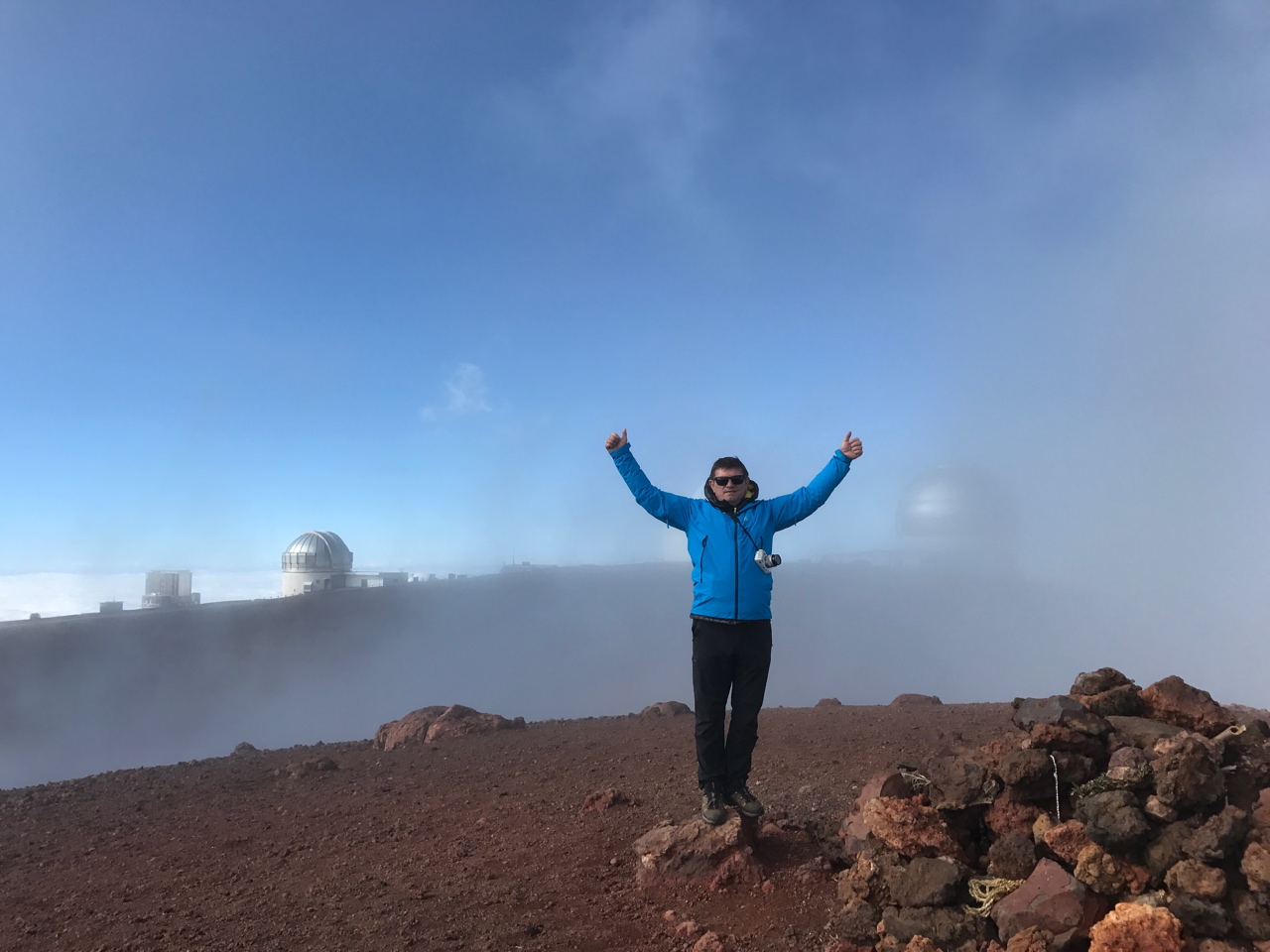
In this height the oxygen level of the air is 40 % lower than at sea level. At the Big Island of Hawaii I climbed the 4205 meters high Maui Kea, which is the dwelling place of their God, the most holy place.

I think I have ample points of reference to say authentically: Garáb is a special place!

GRABENSIA

Our apartments

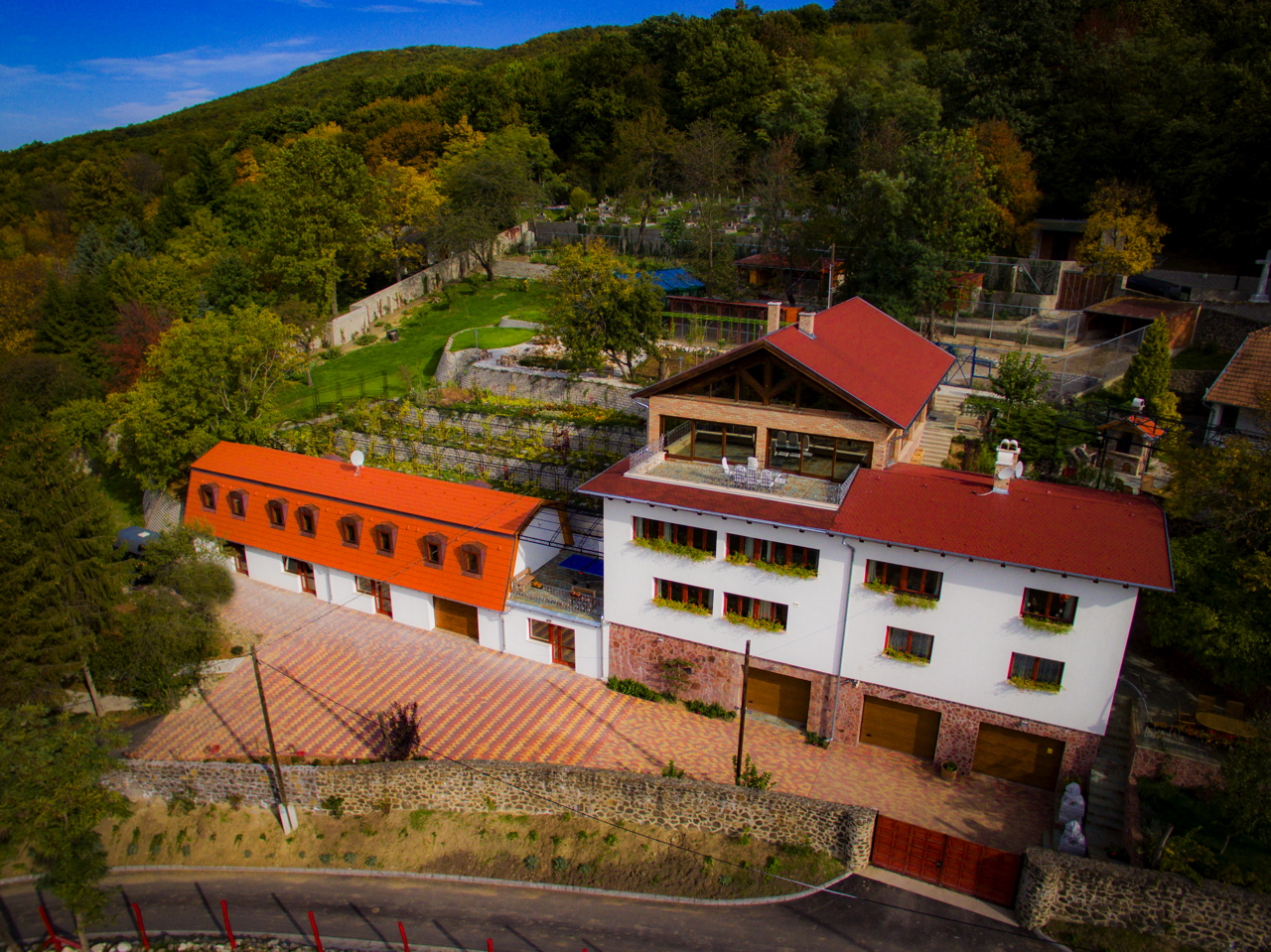
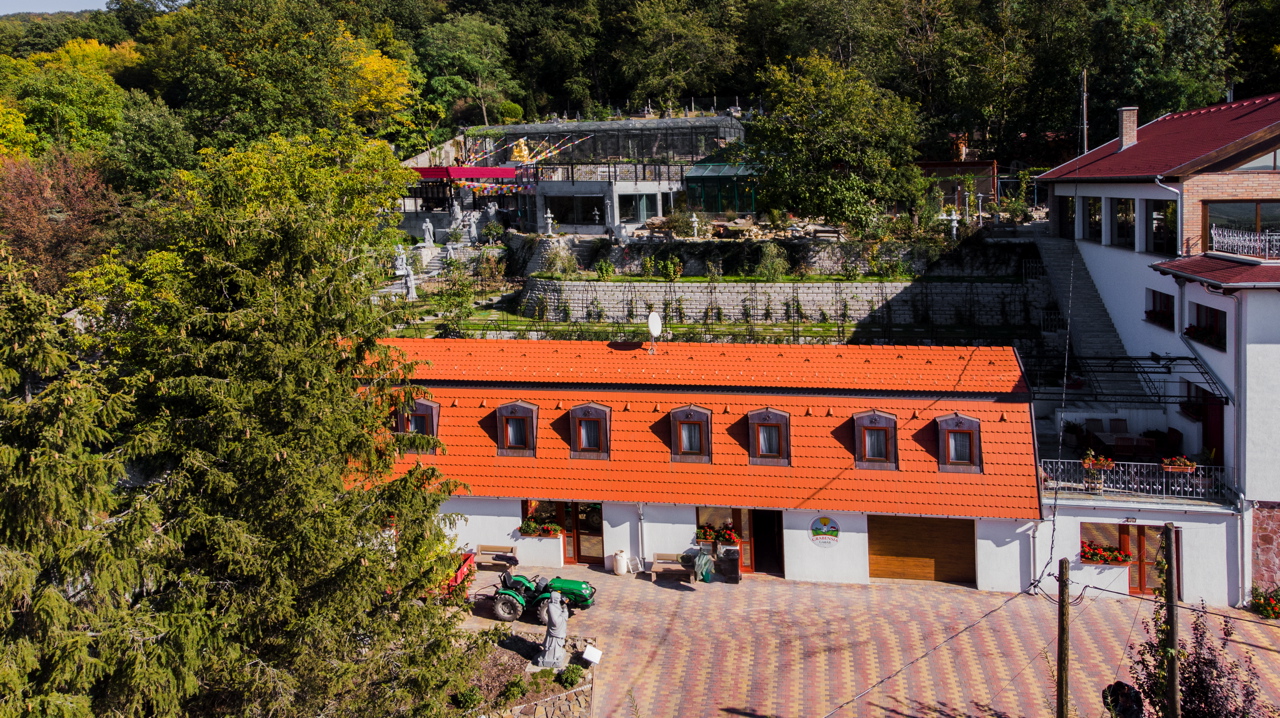
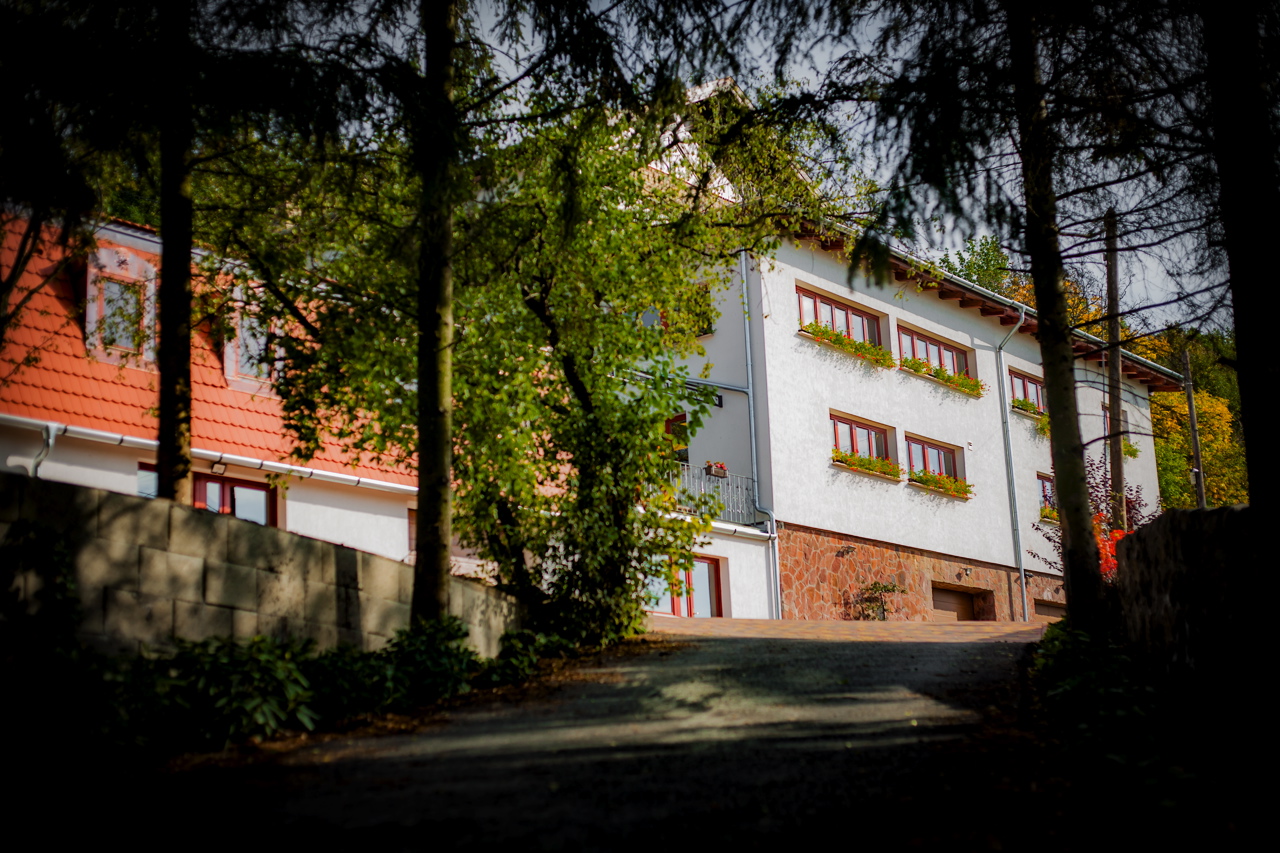
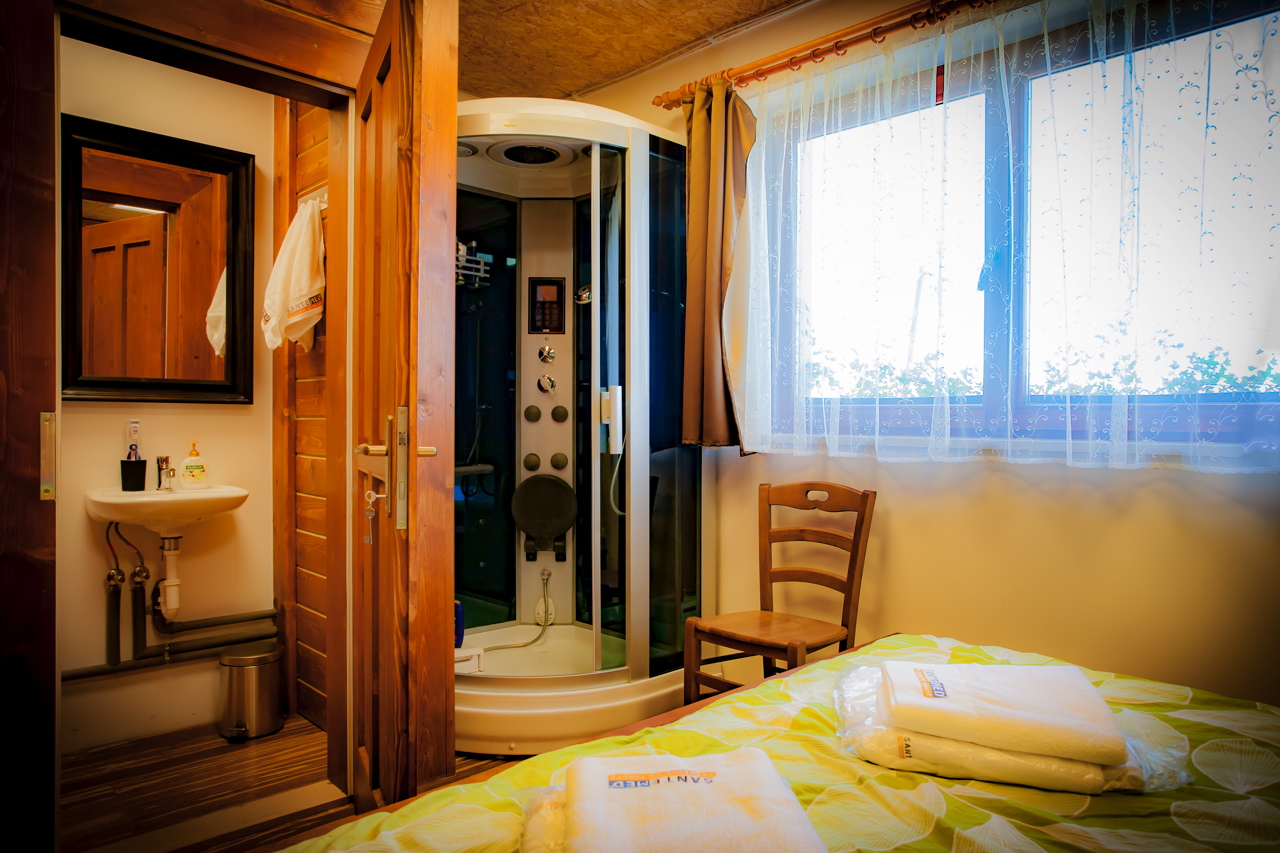
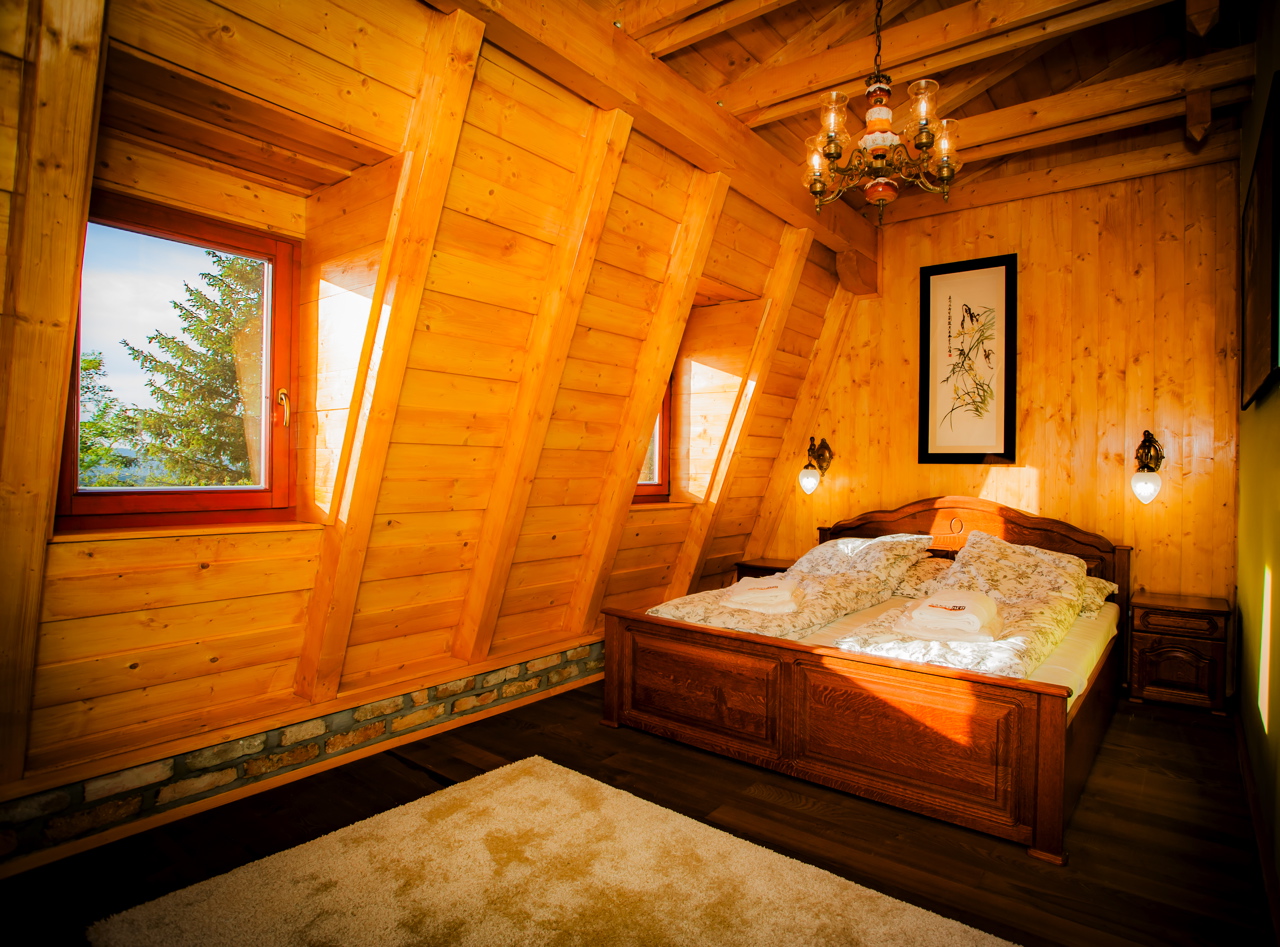
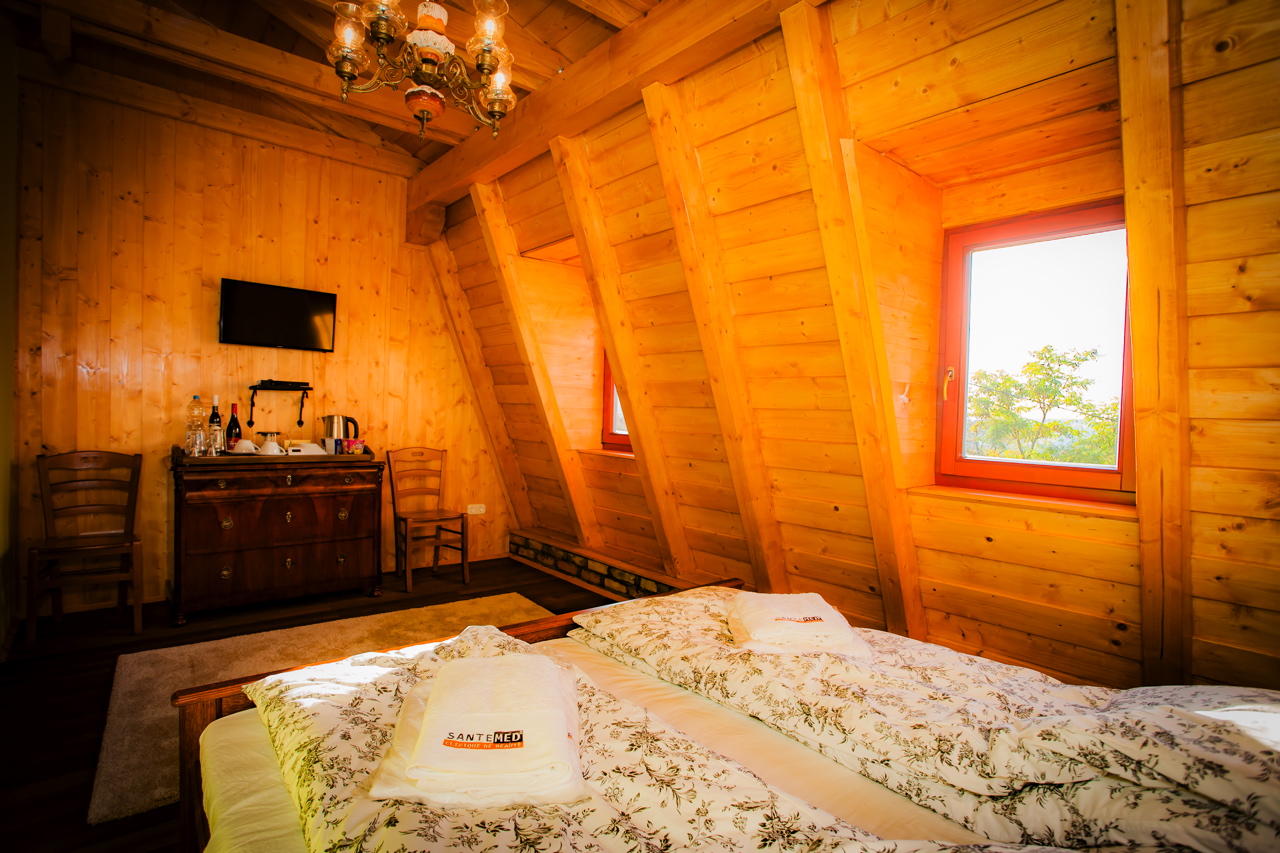
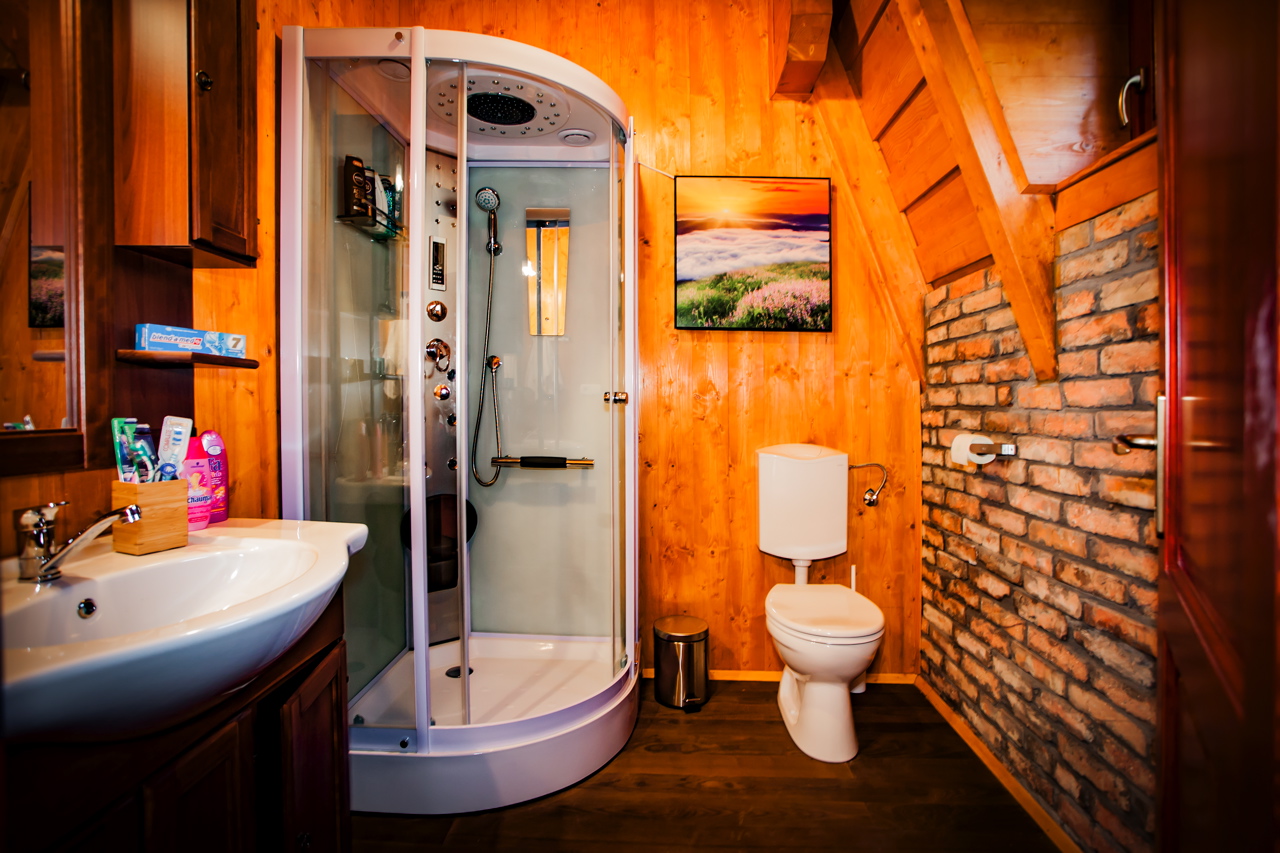
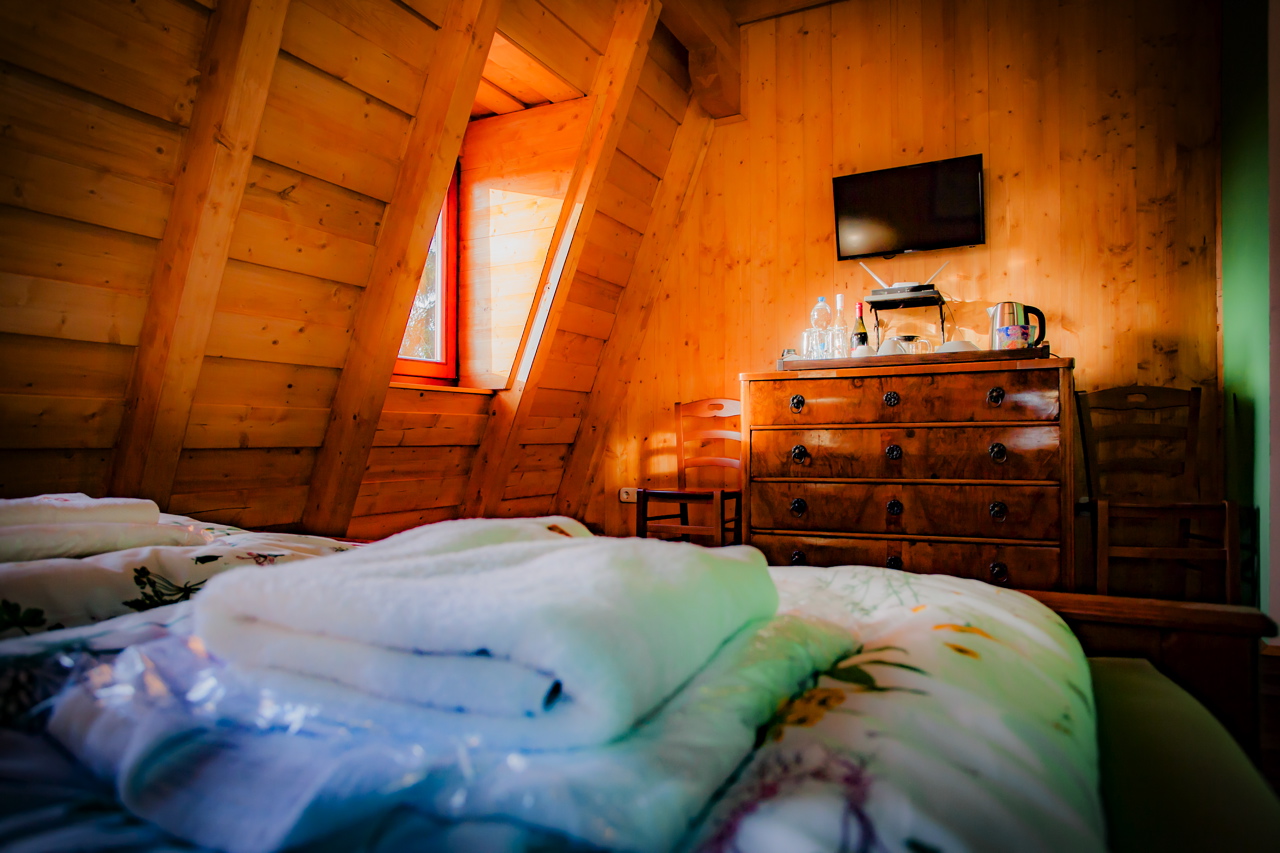
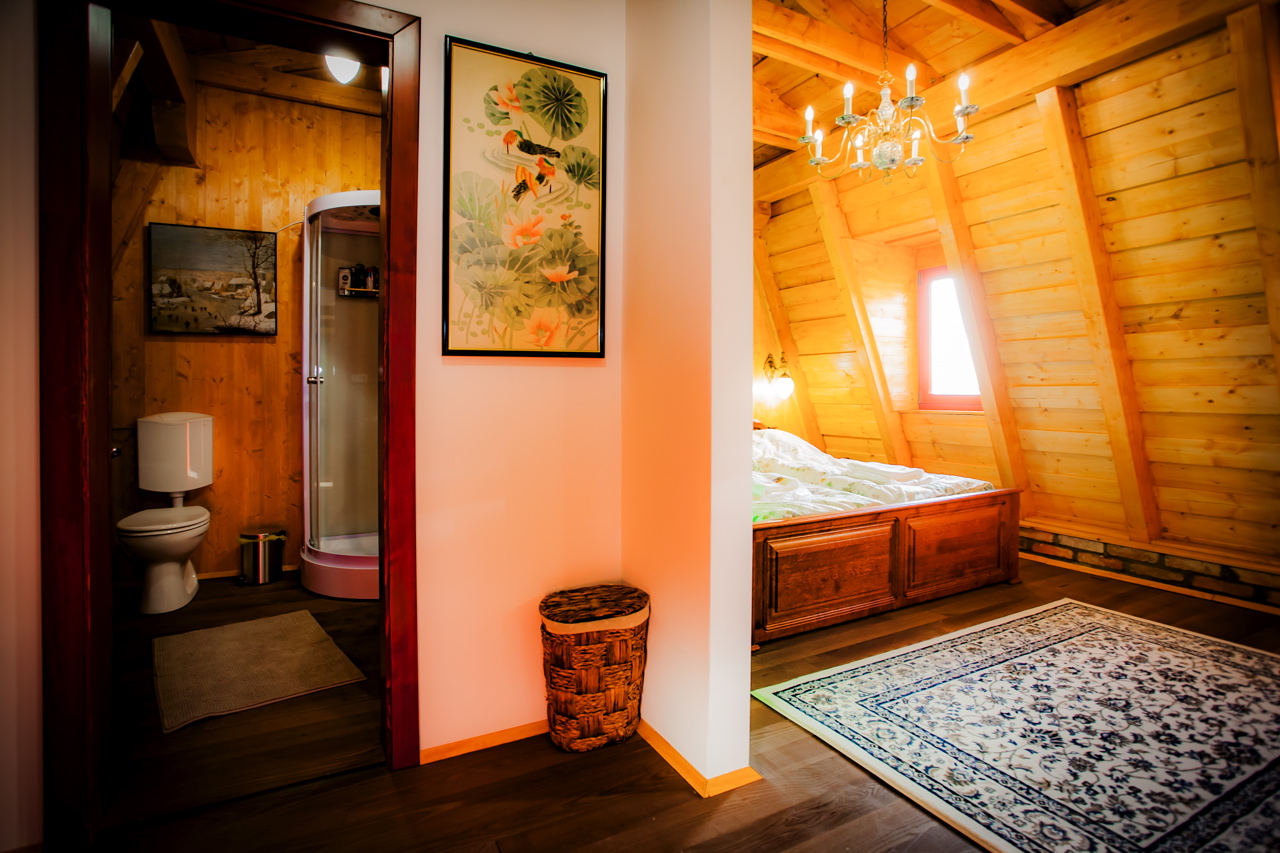
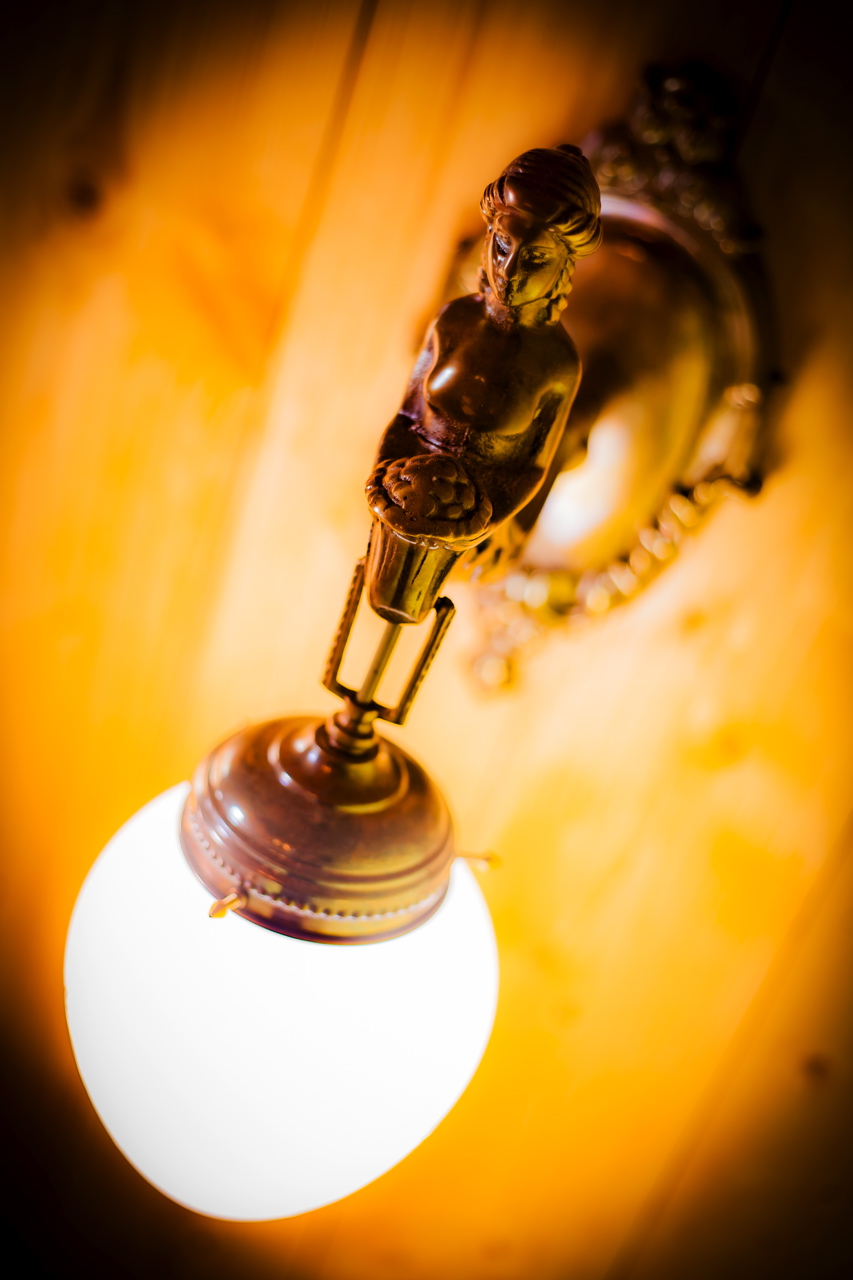
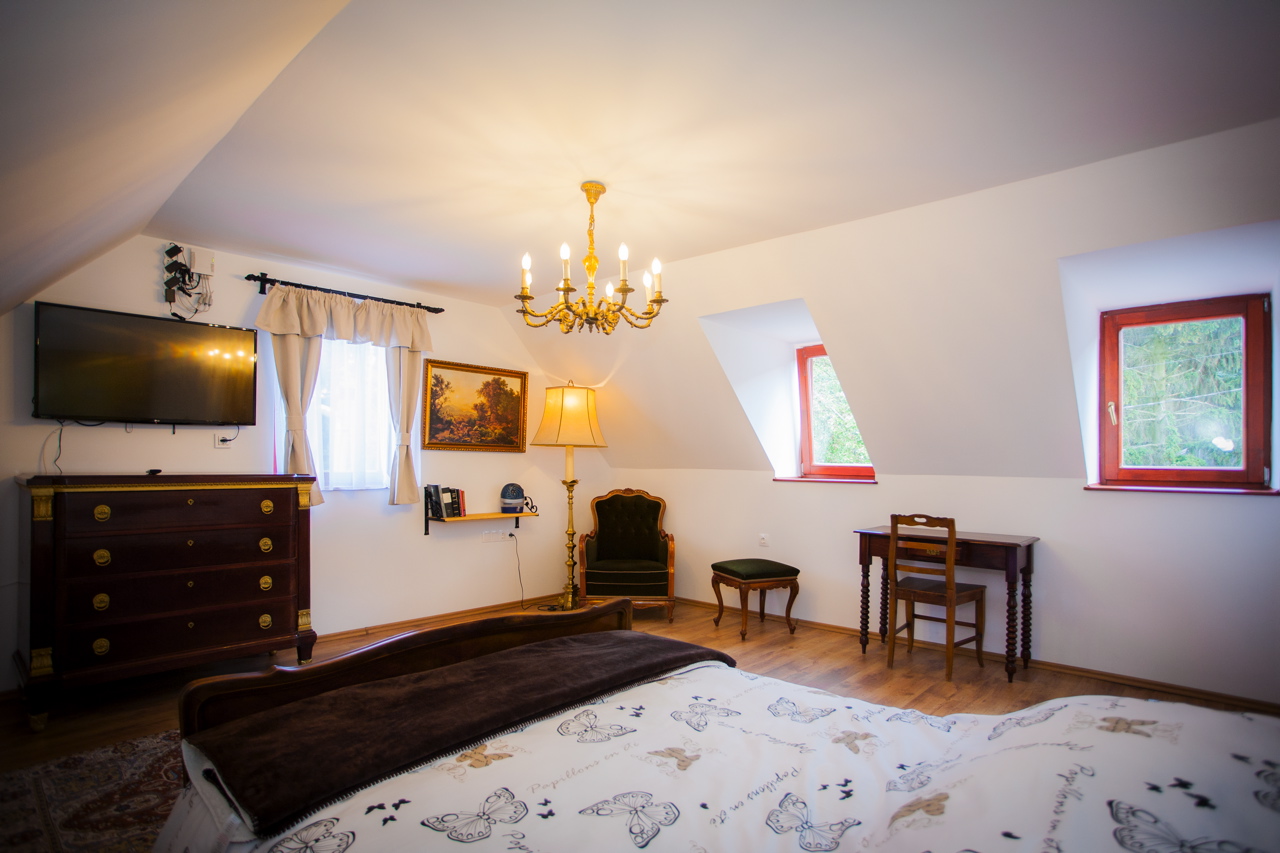
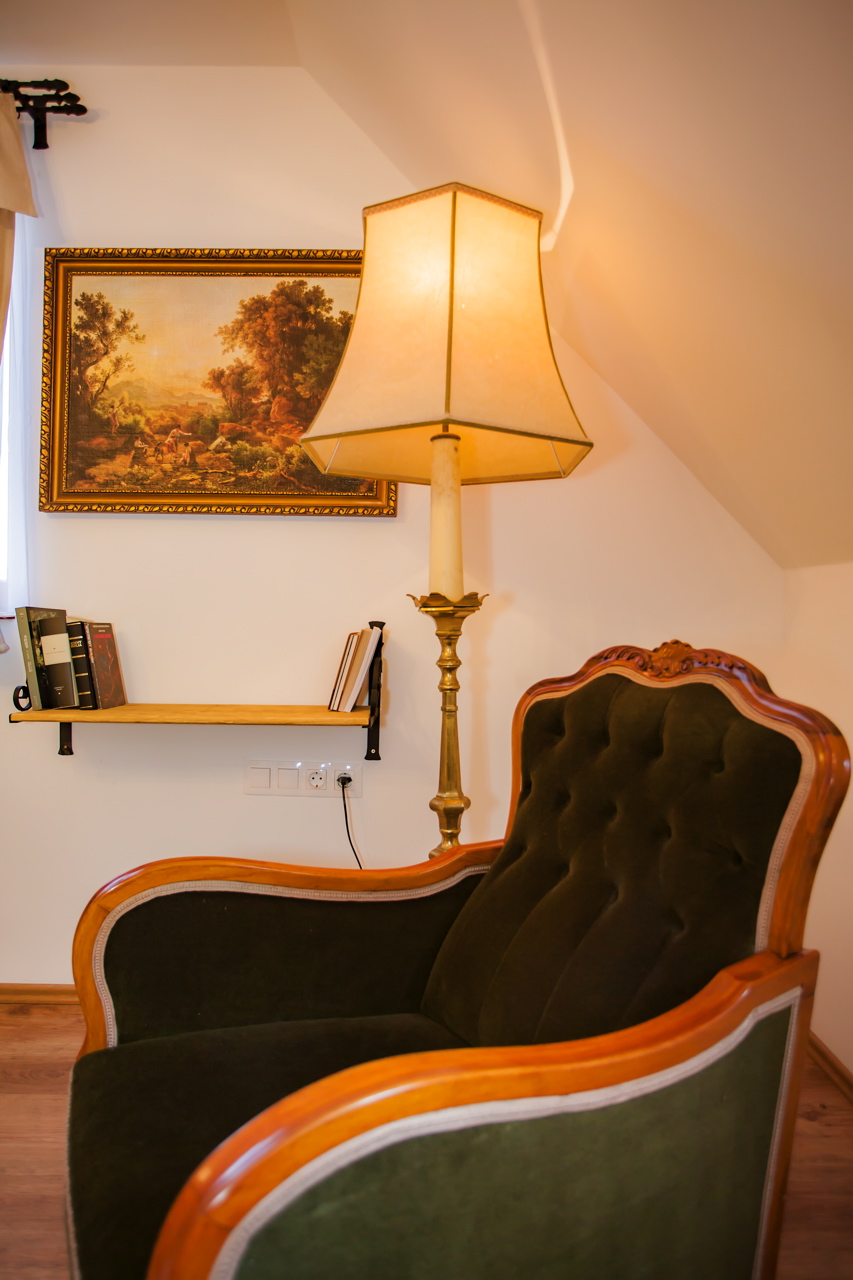
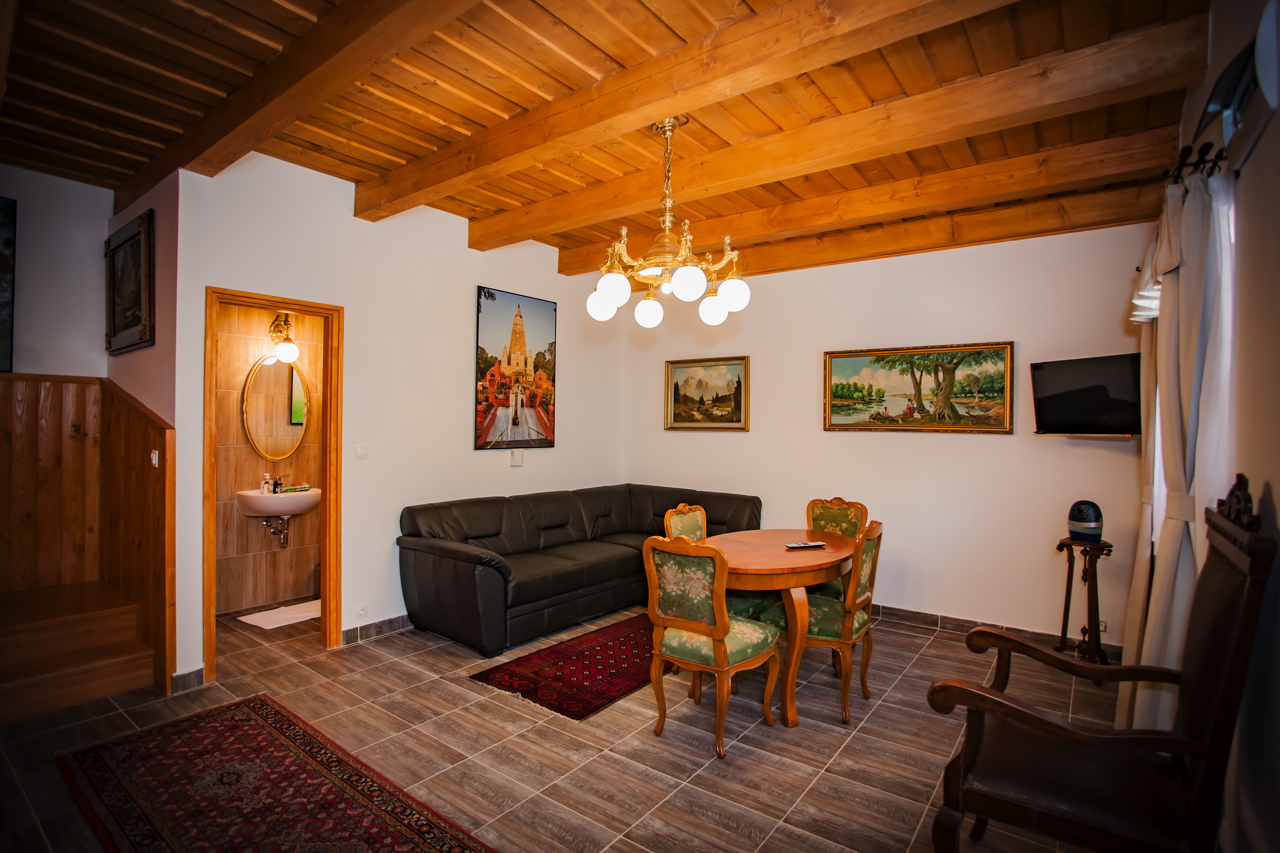
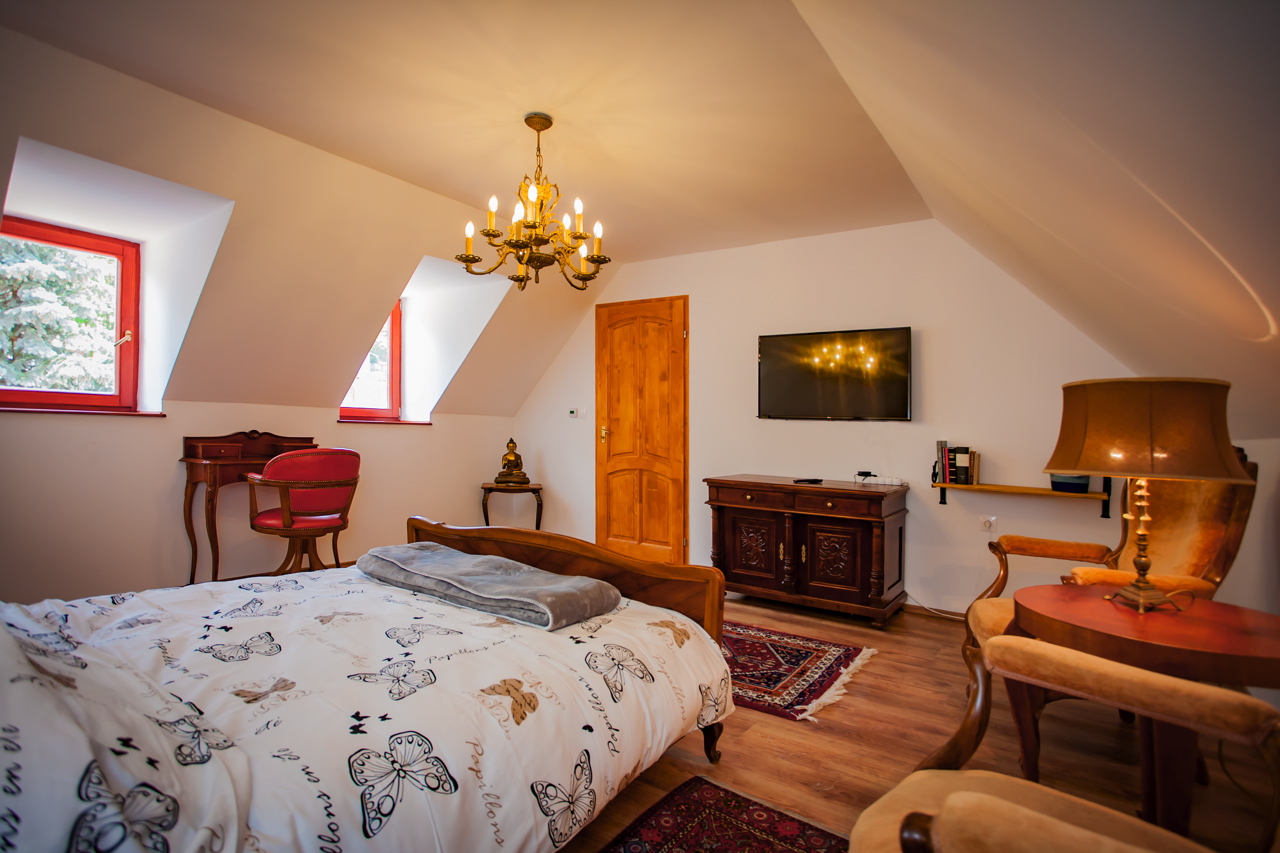
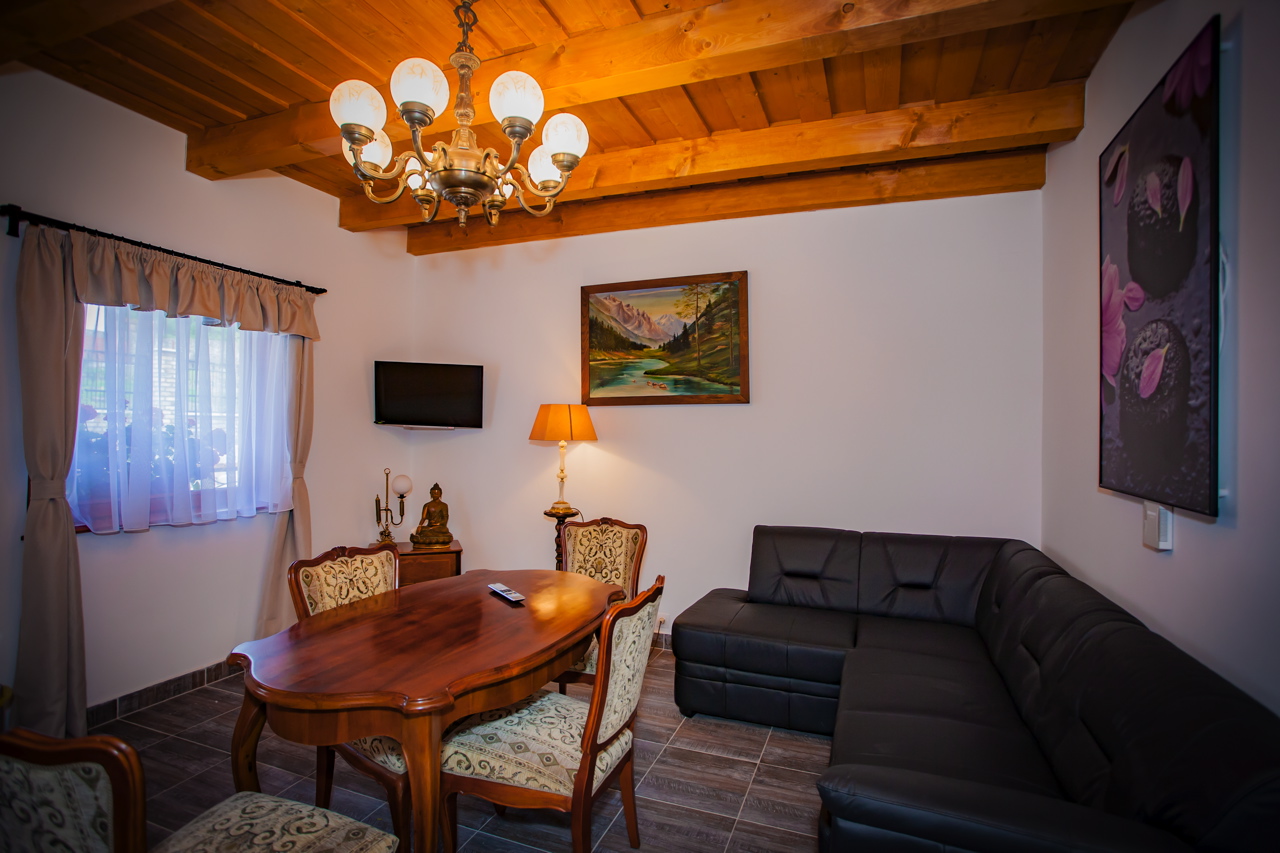
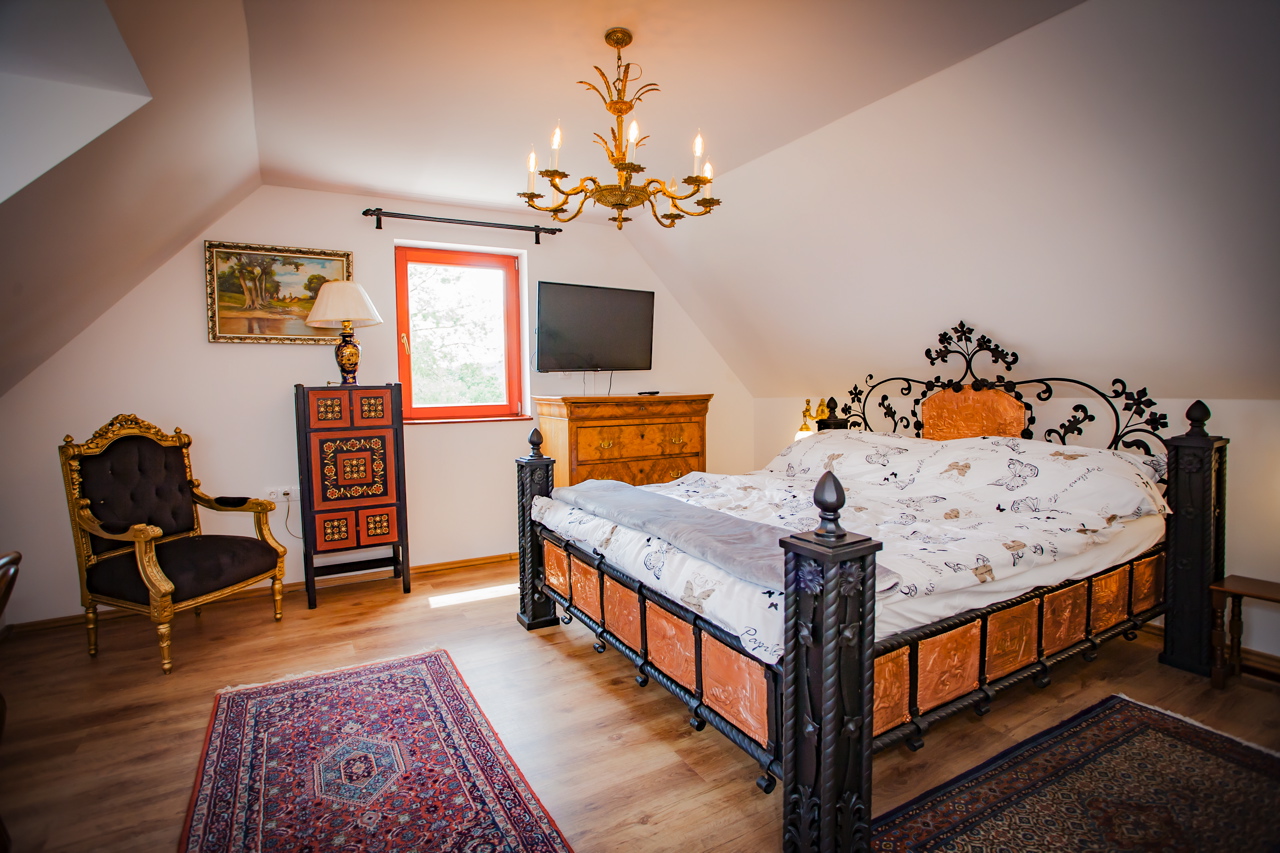
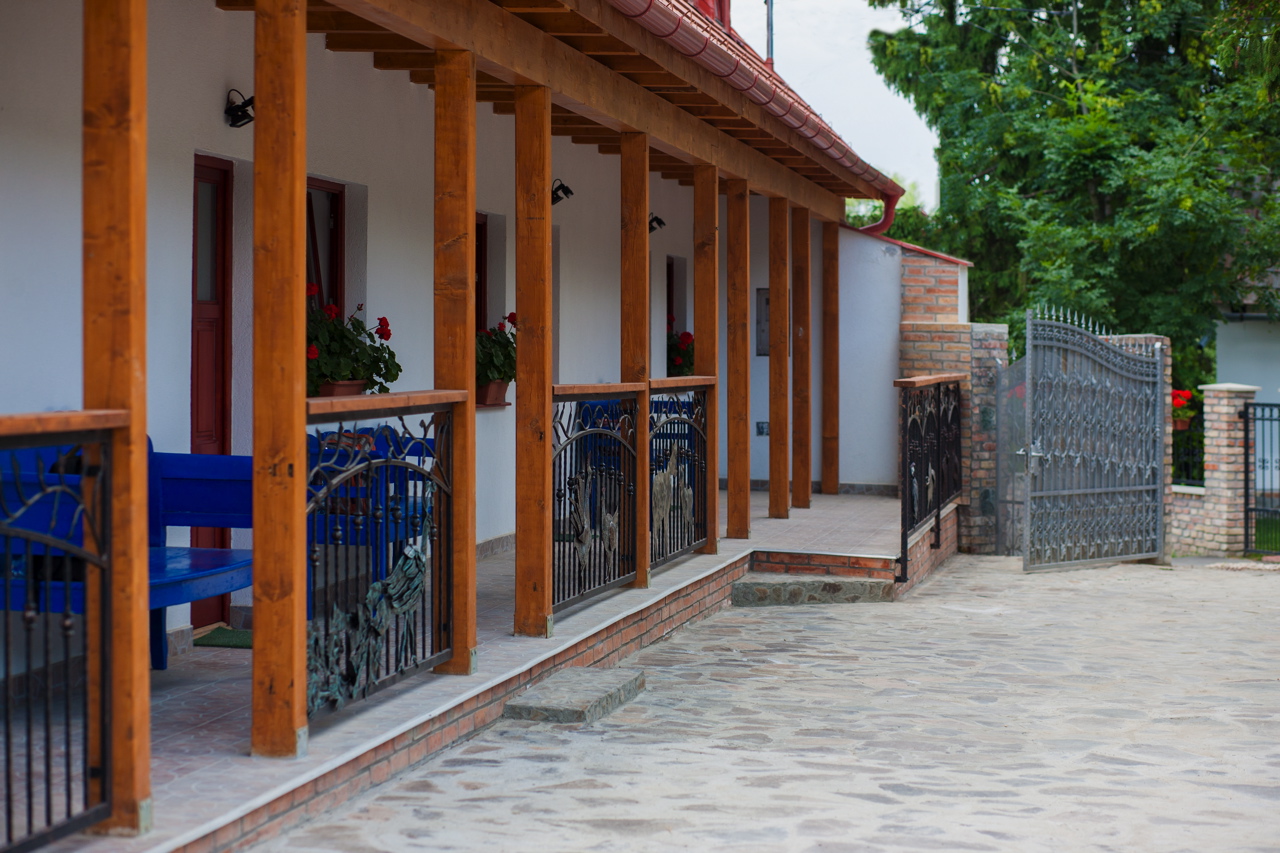
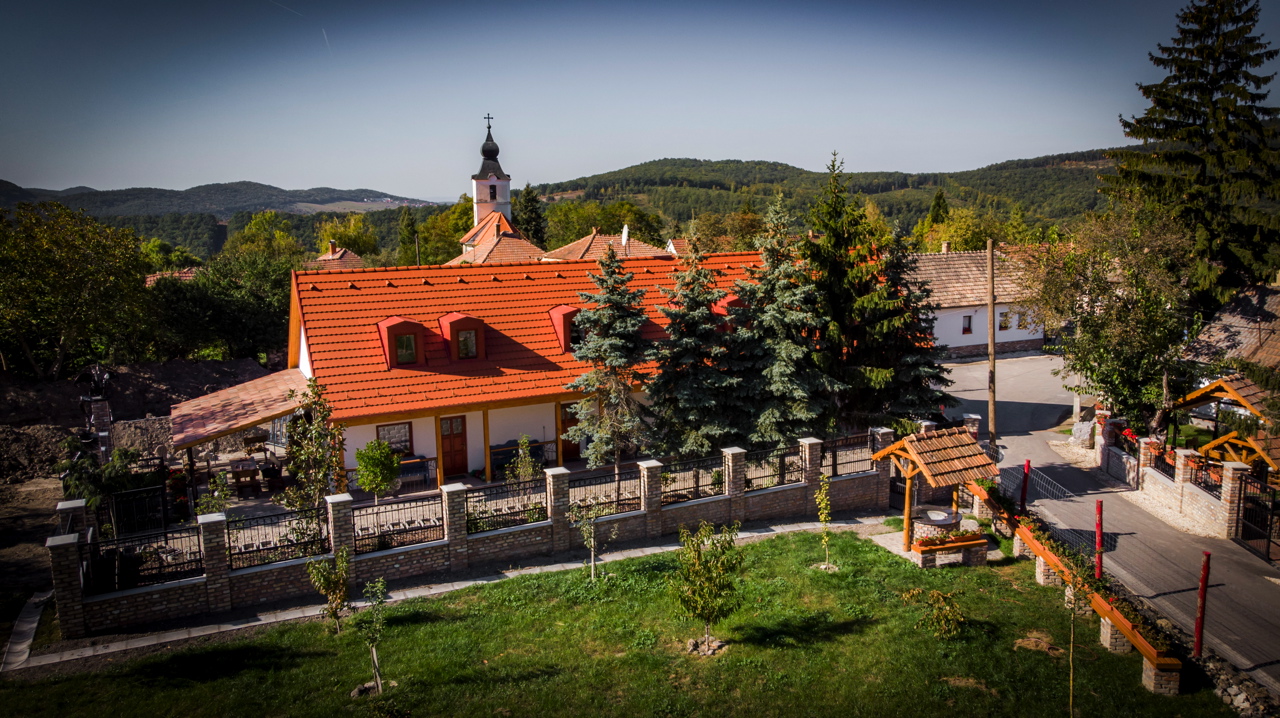
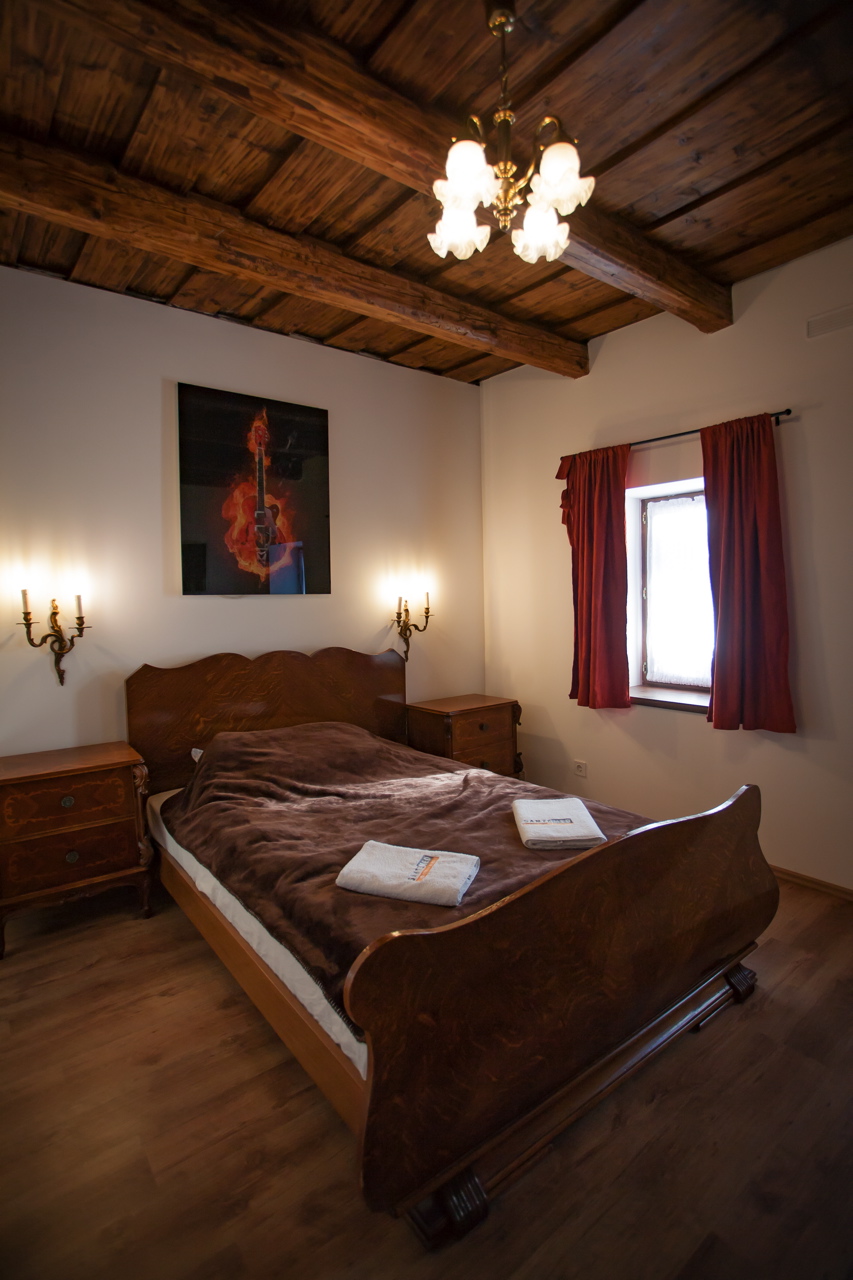
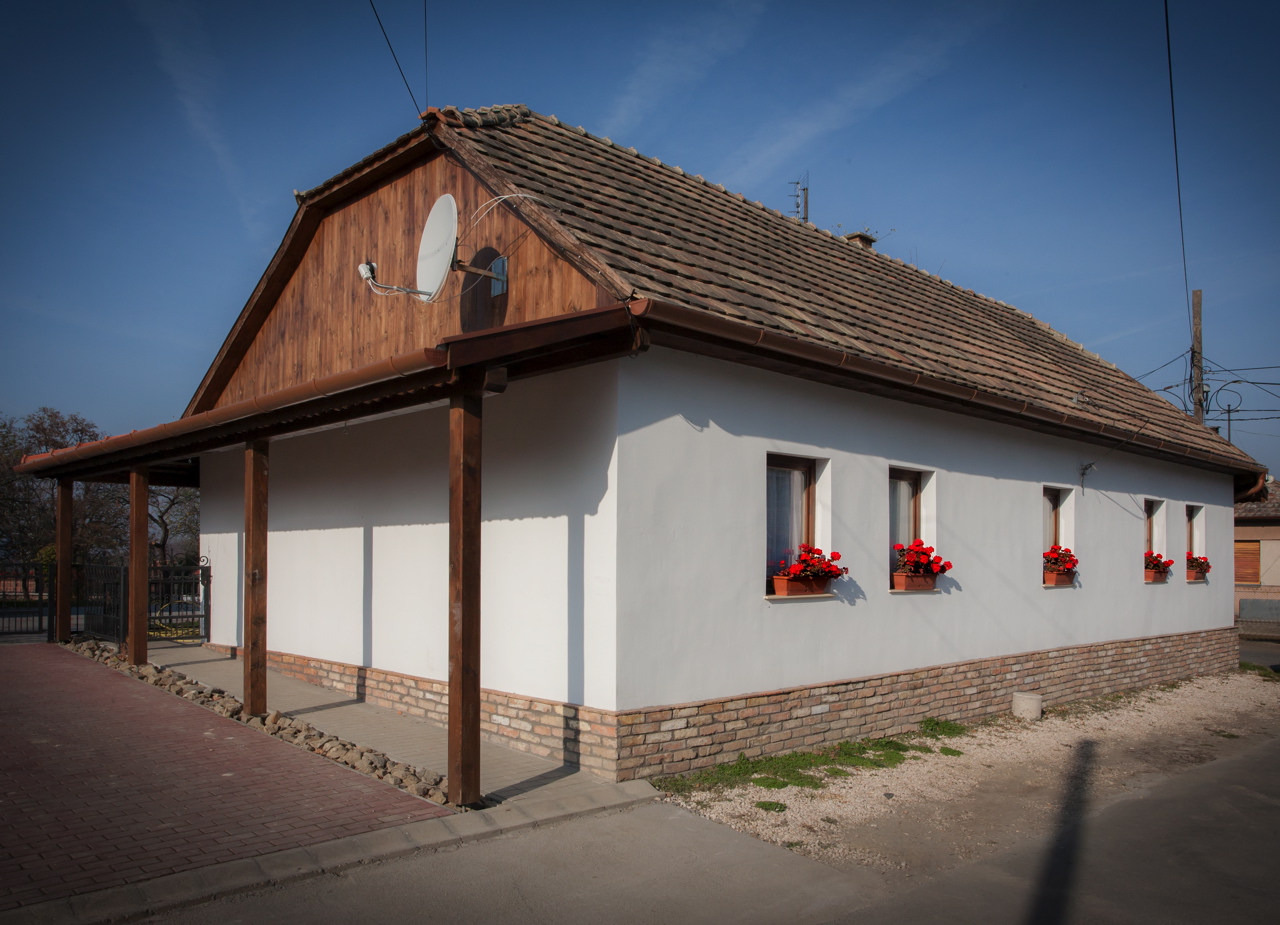
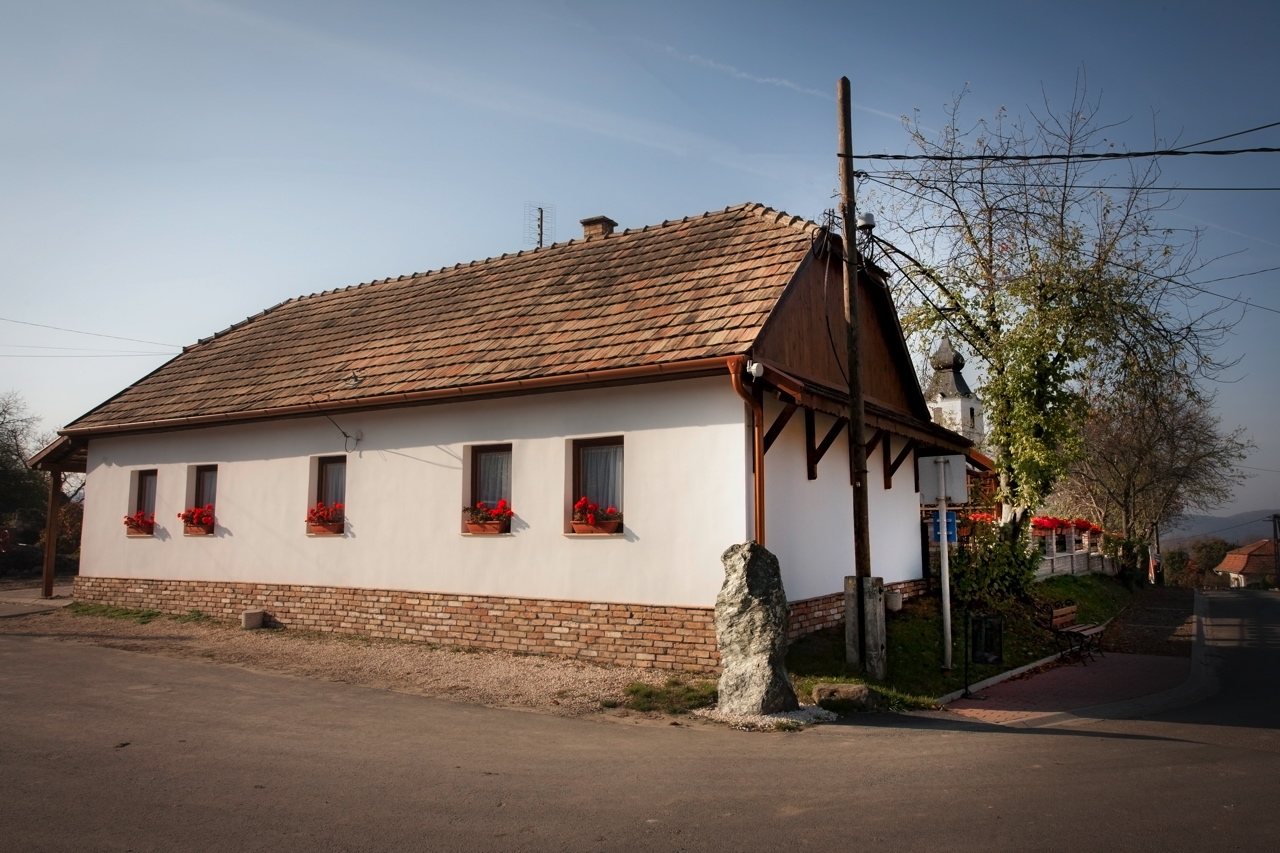
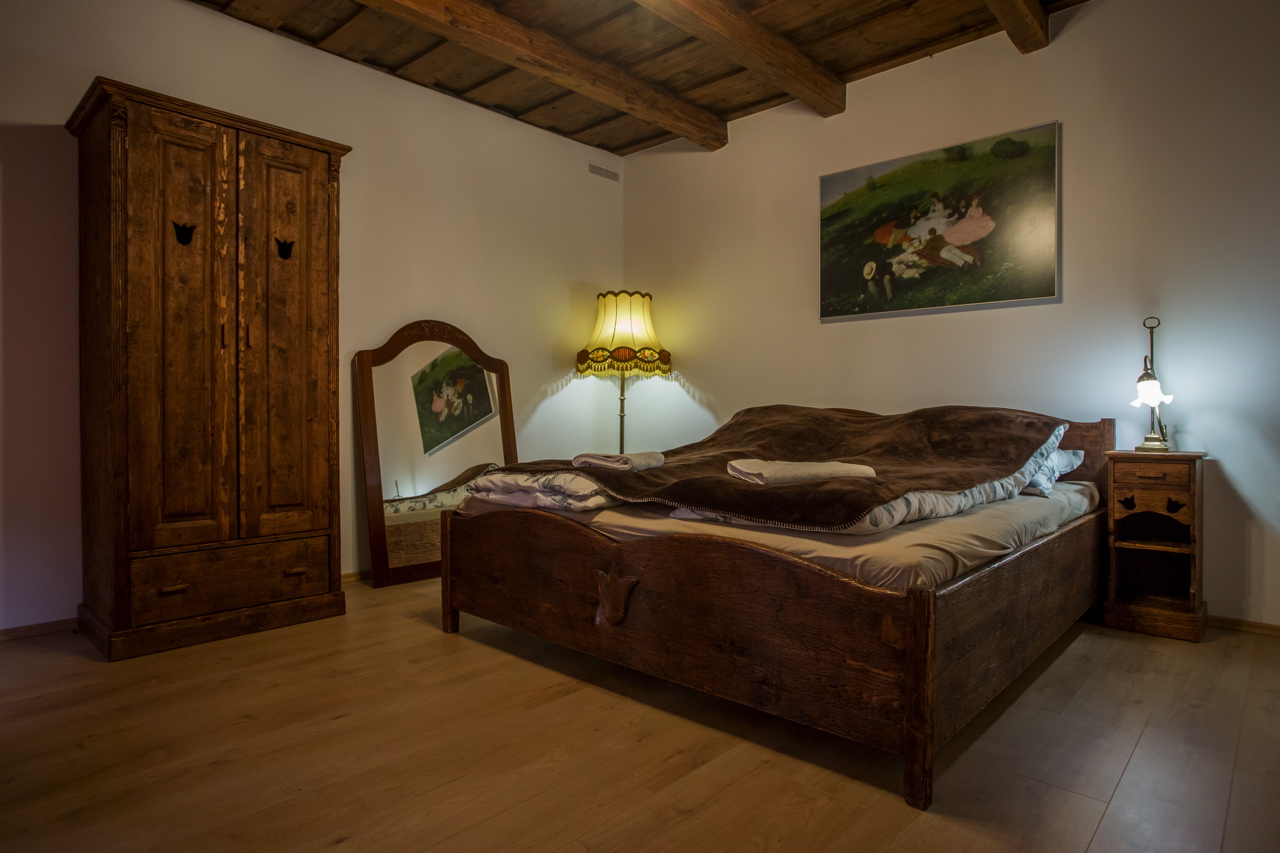
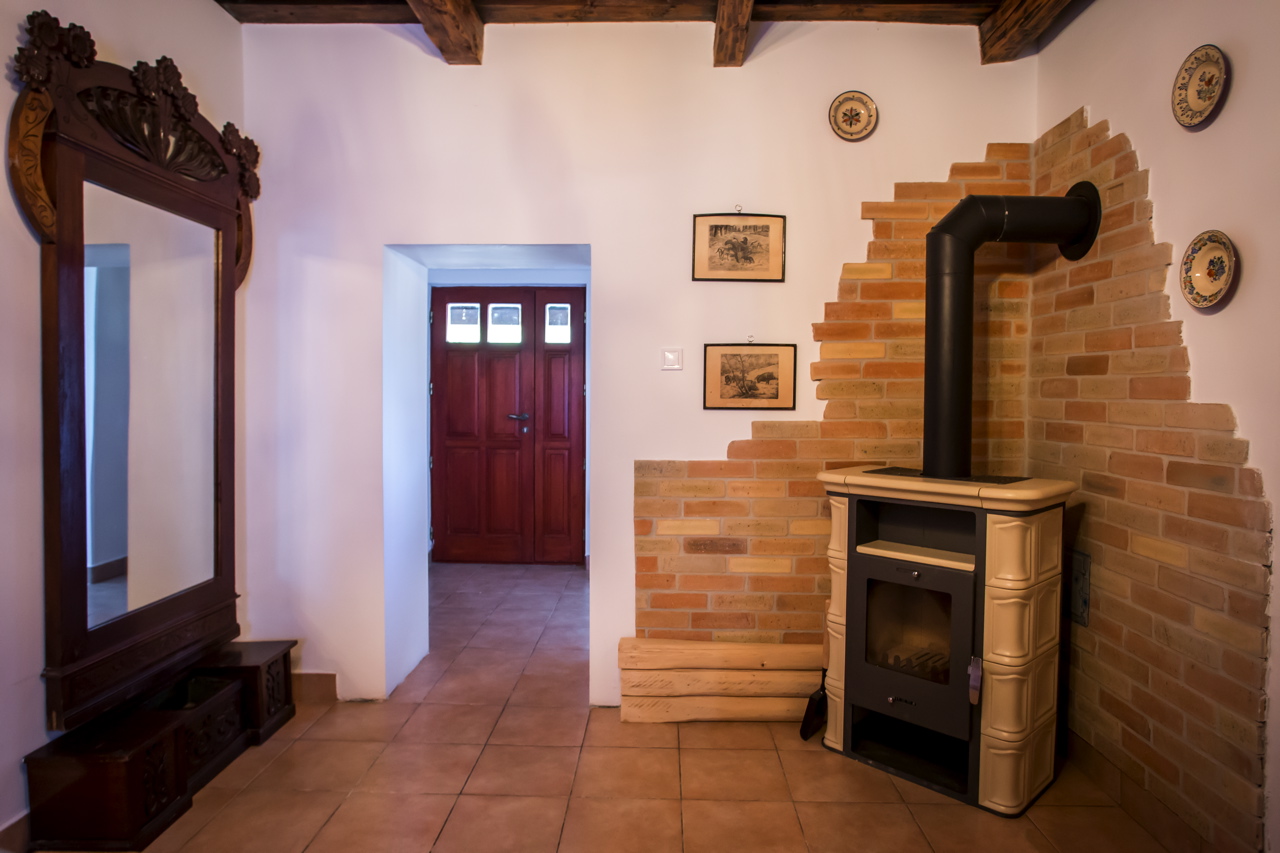
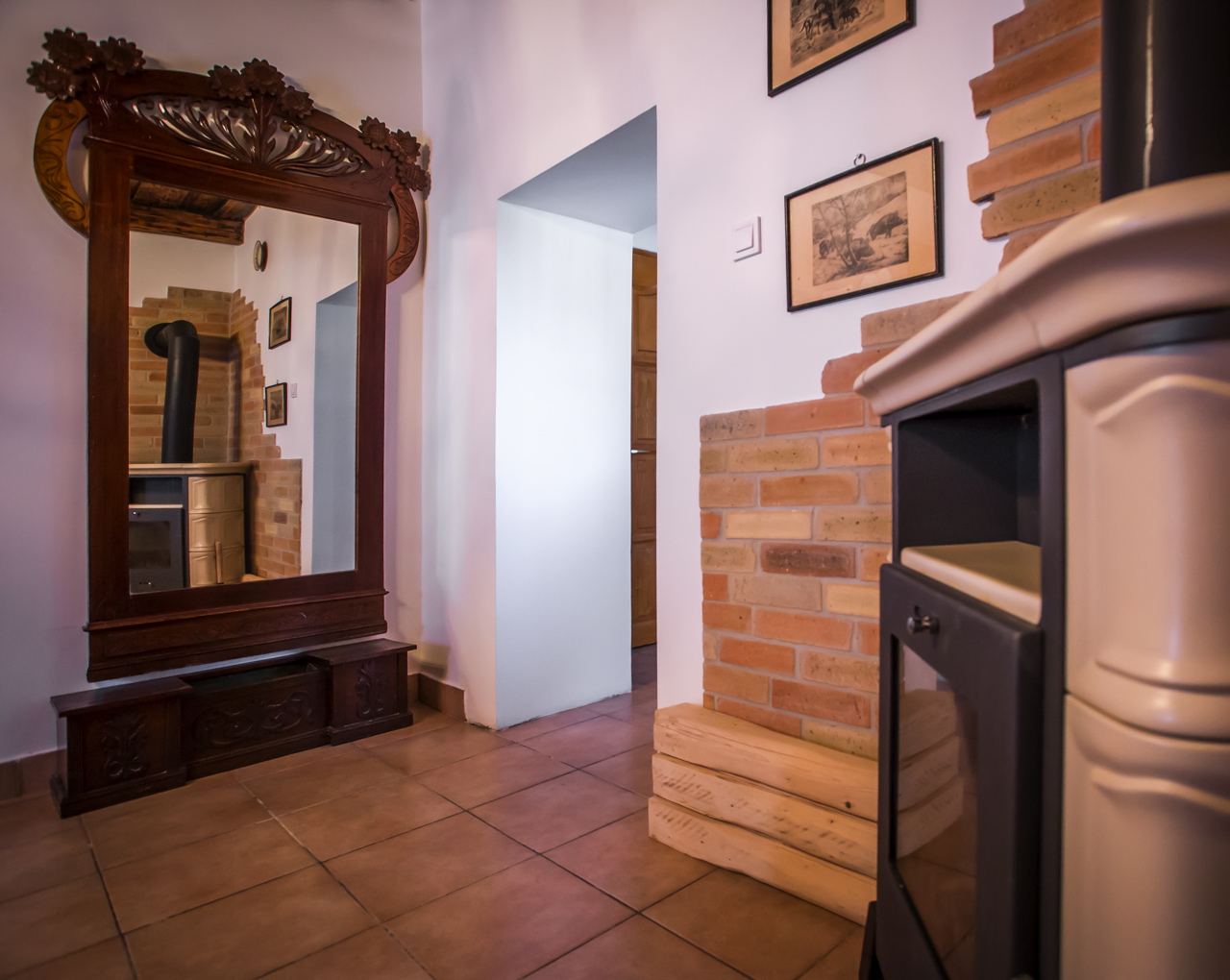
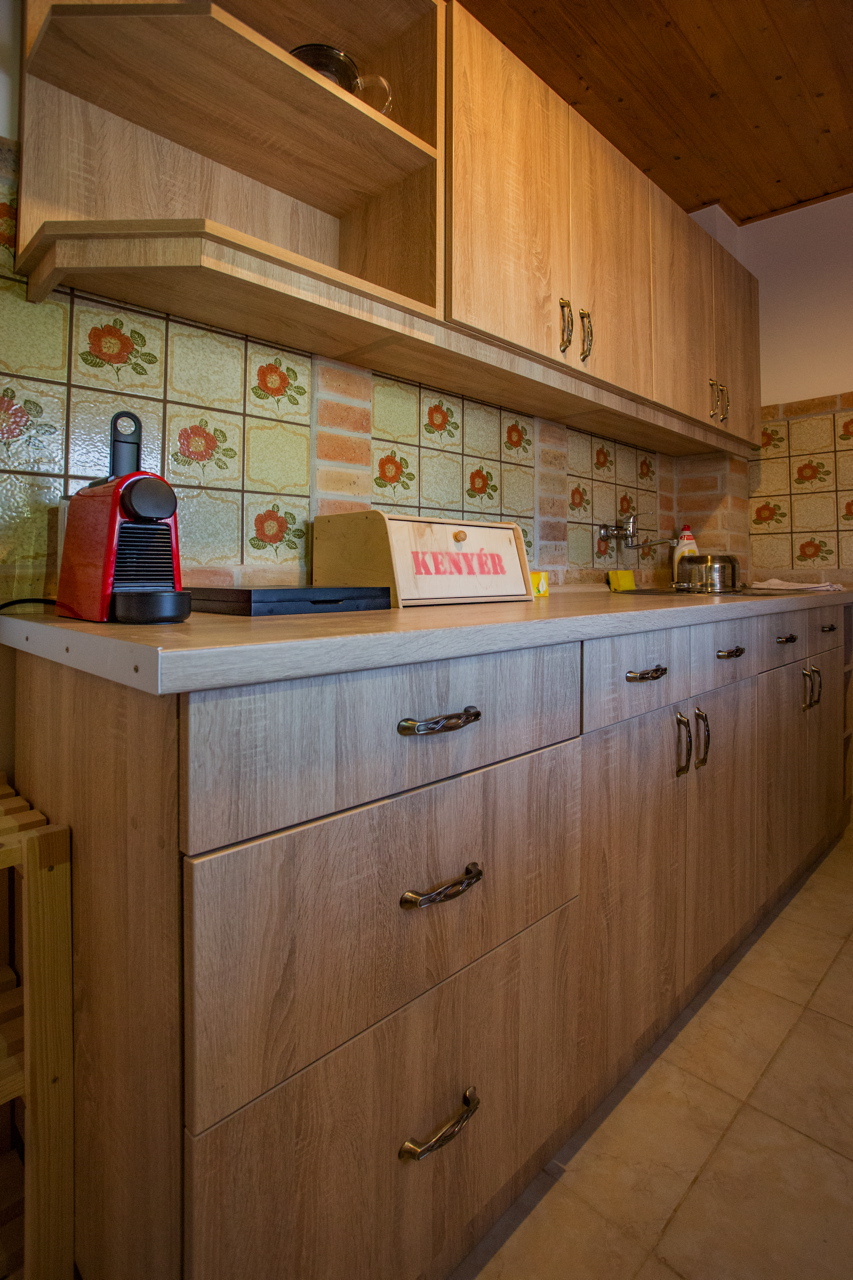
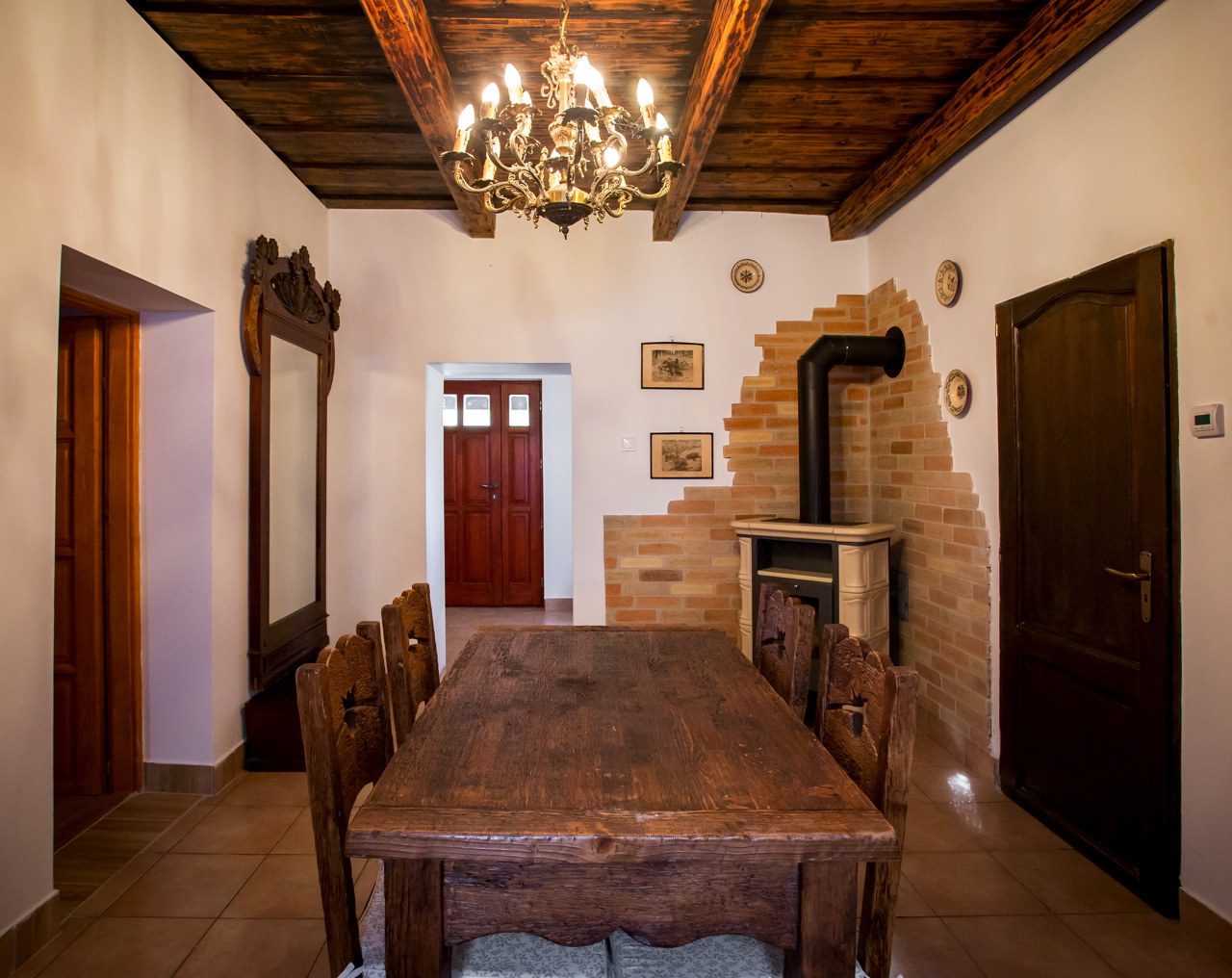
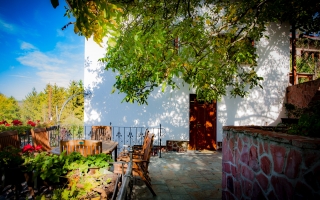
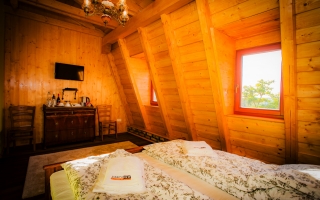
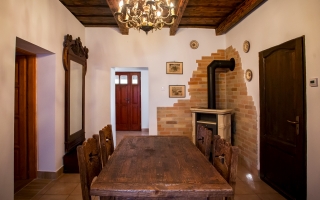
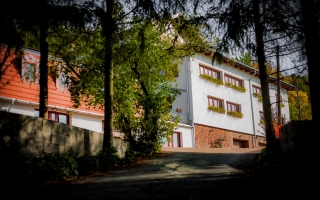
We are waiting for you with well-equipped guest rooms and apartments convenient for 4 persons, altogether a space for 40 persons.

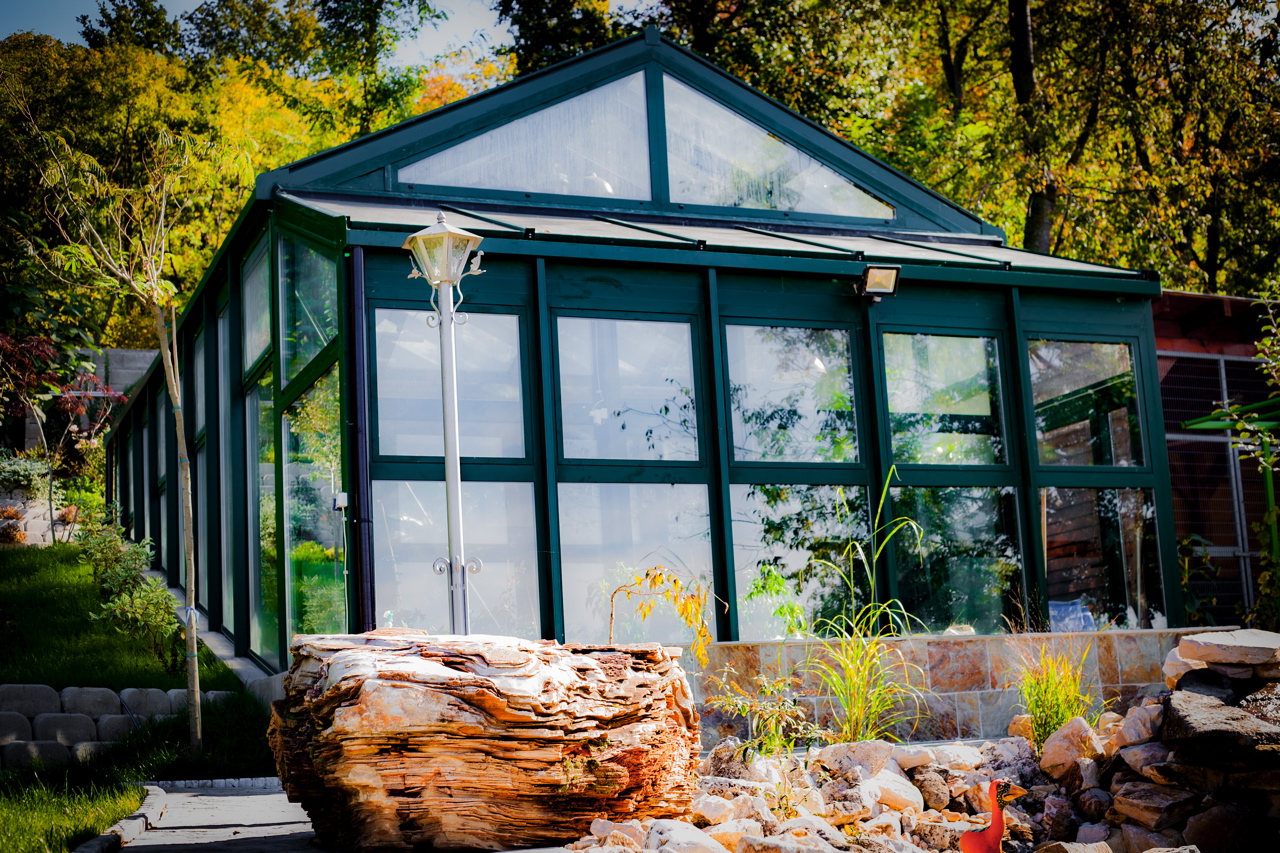
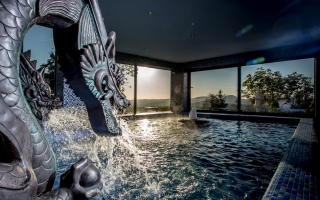
The new guest house of 6 apartments, a restaurant for 80 persons. is being built. Meditating paths are running through the garden. Here also stands a tropical glass house with tea room, exotic birds and inner fountain.

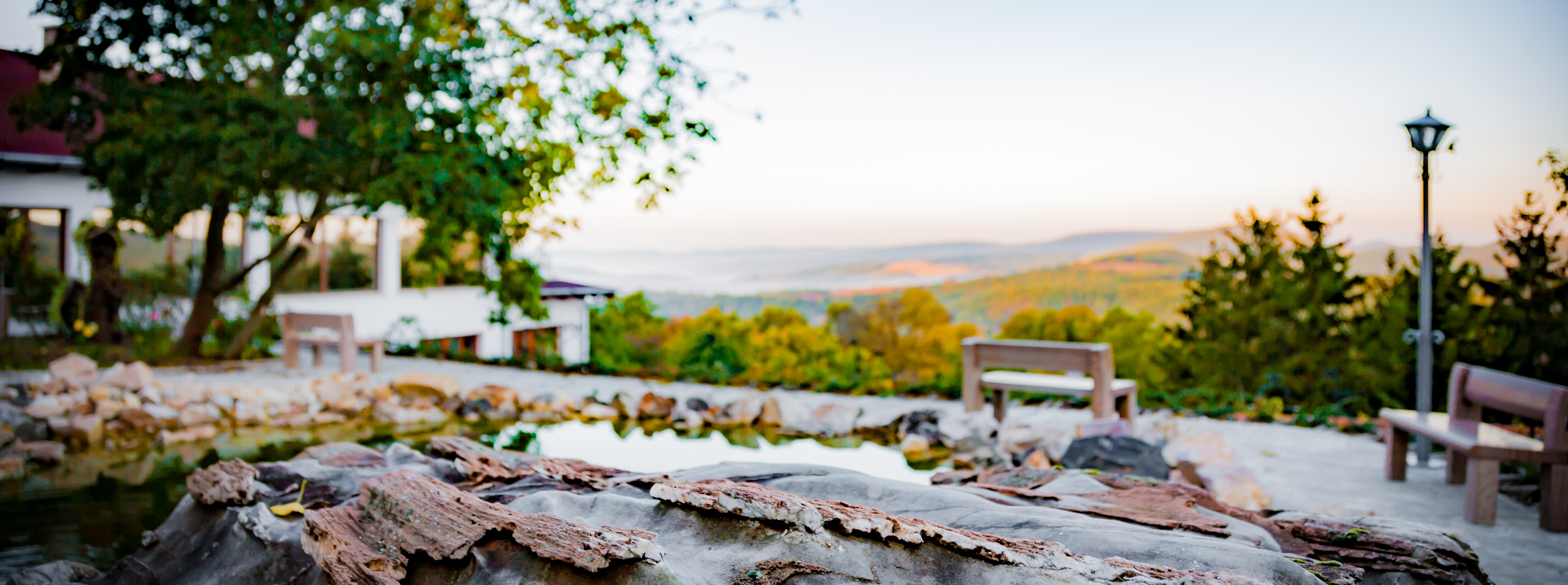
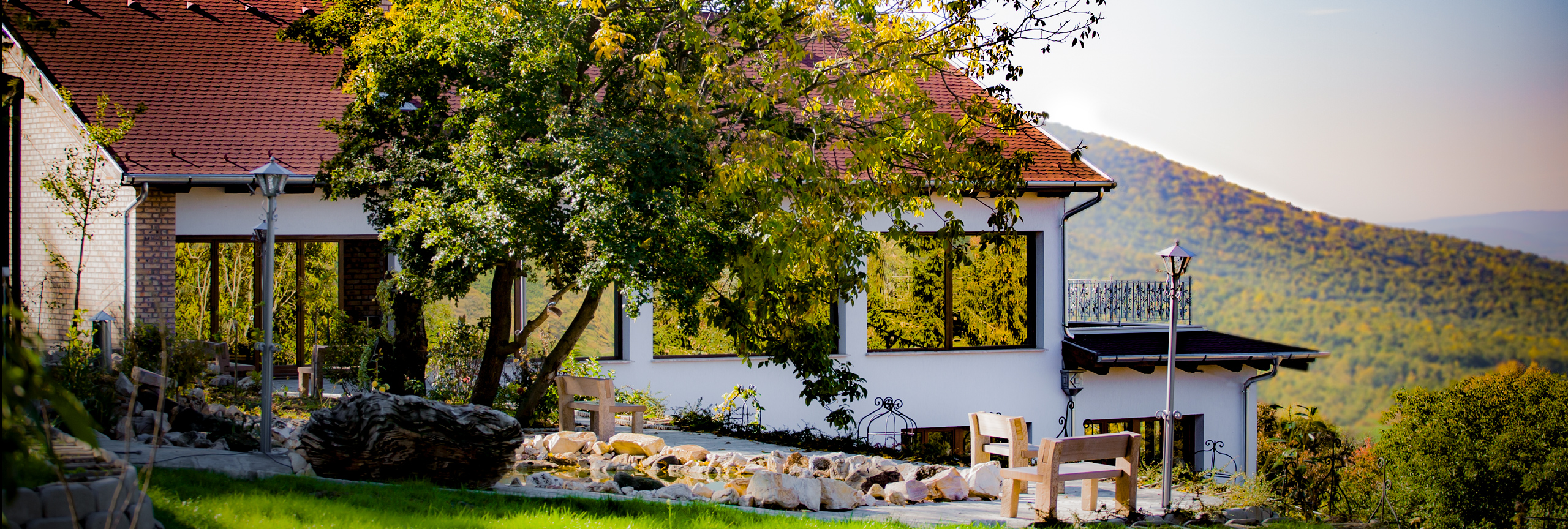
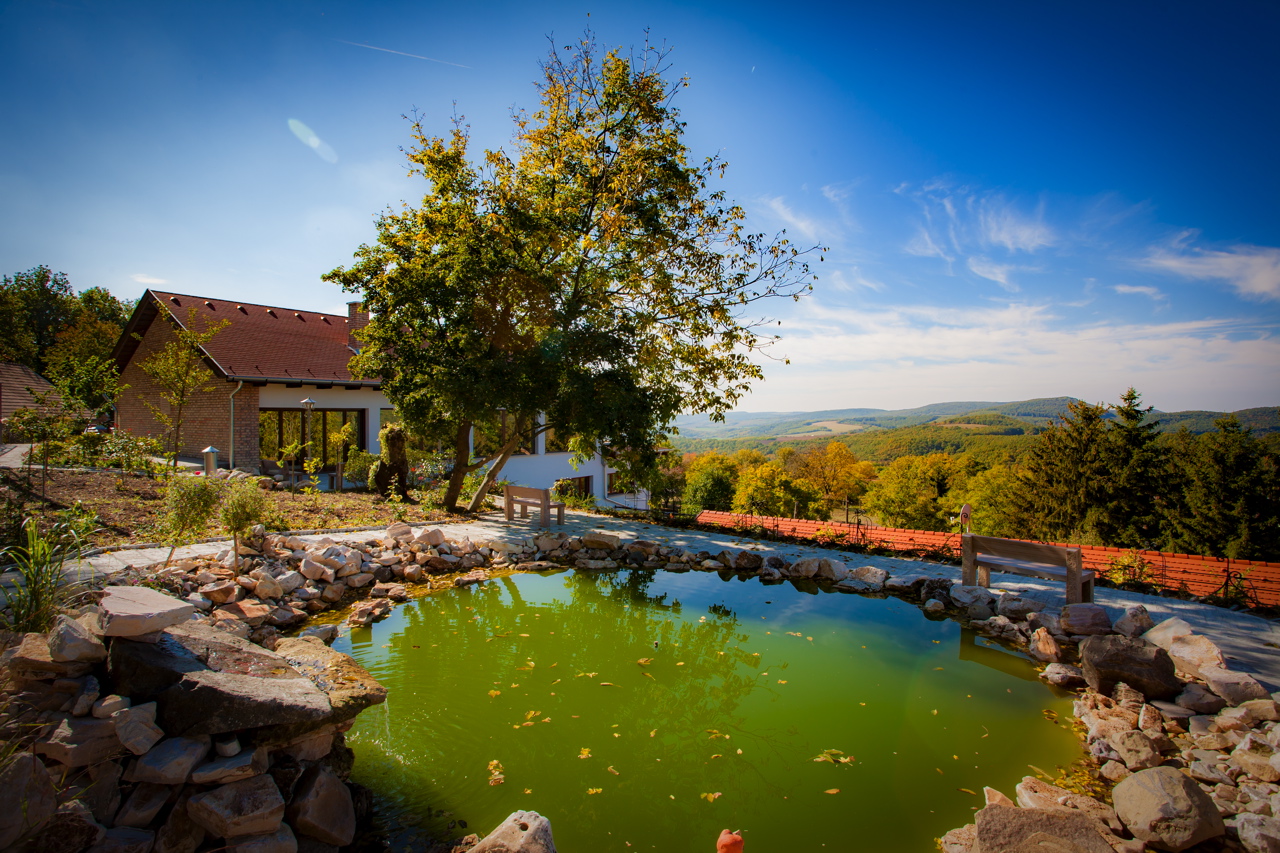
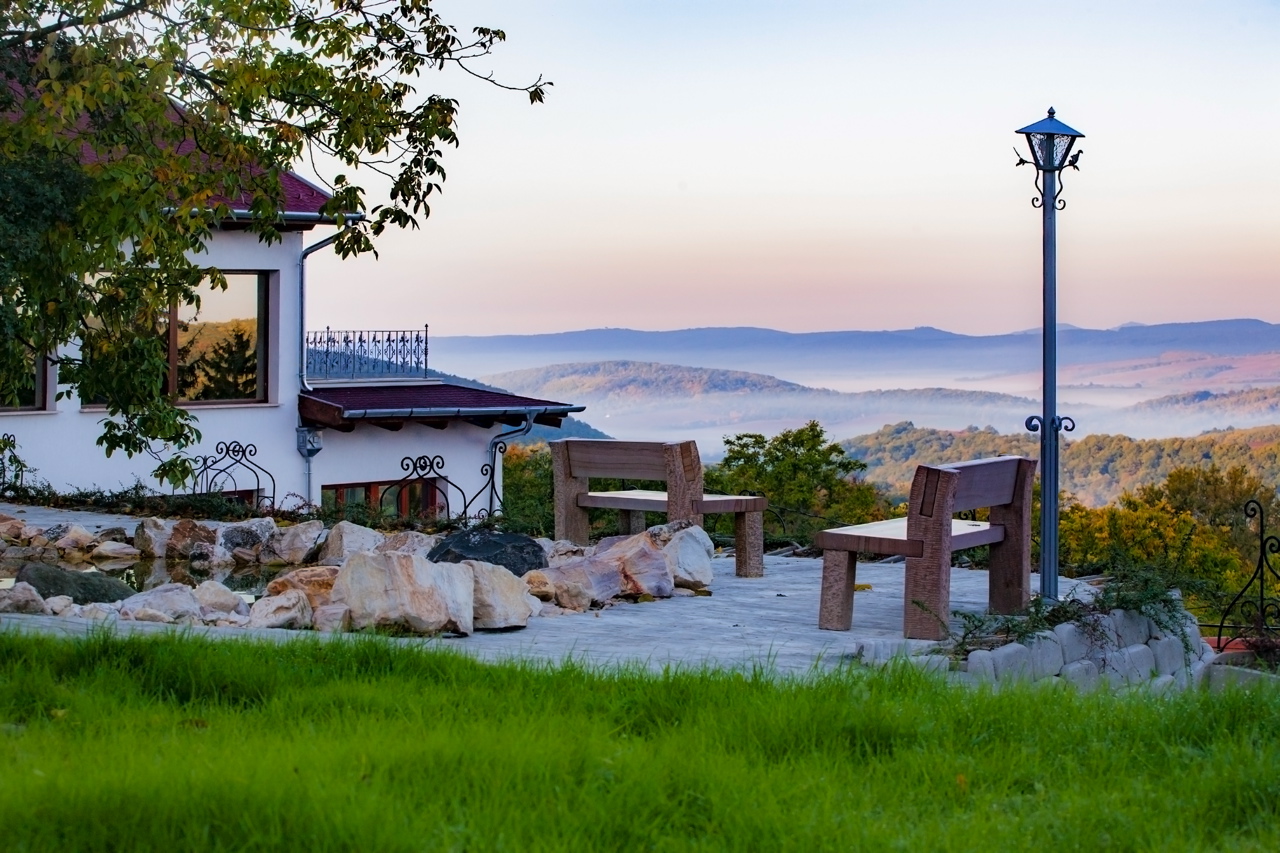
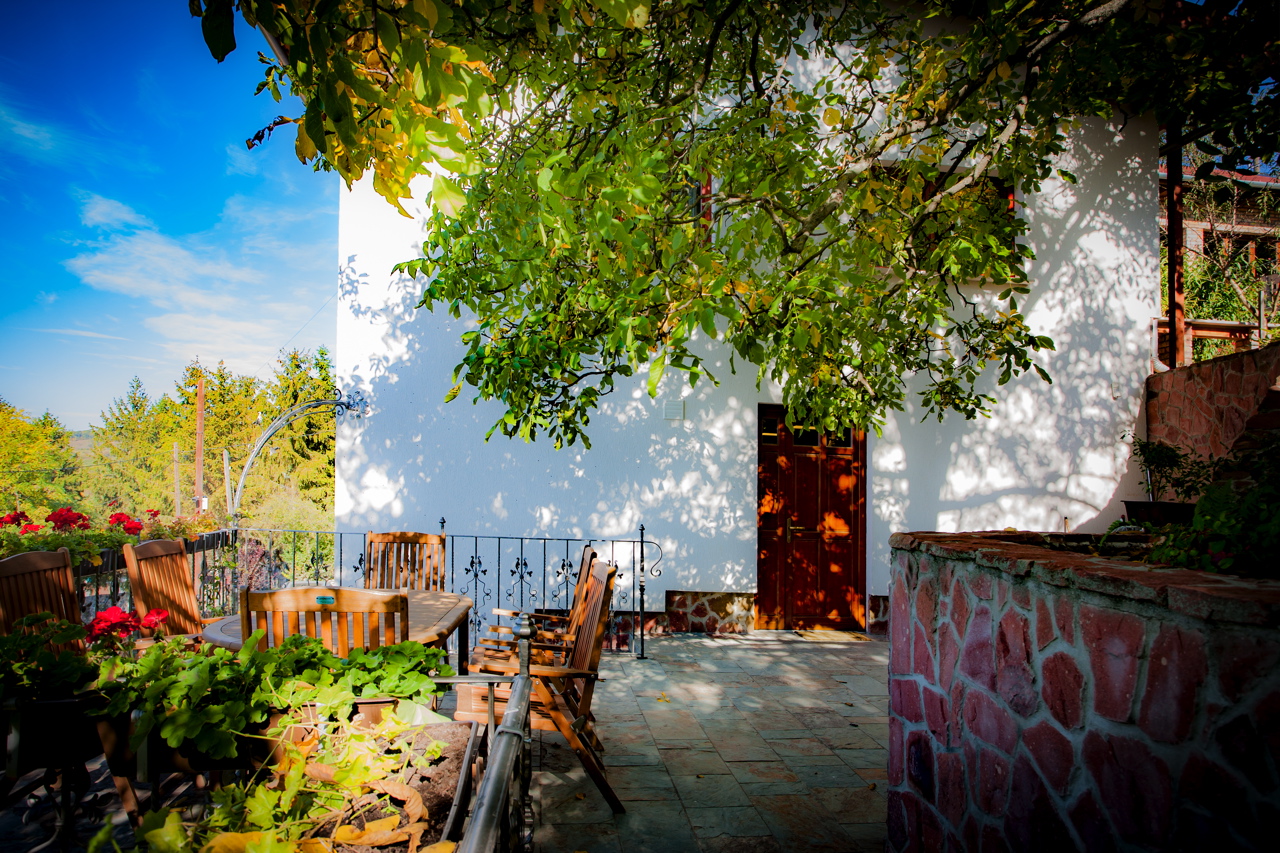
Sitting by the lake in the garden you have a splendid view of the Cserhát area. In the park peacocks and pheasants live undisturbed.

Home is where the heart is.

Audrey Niffenegger

Love is like food or drink. Can we live without them?

Henri Charriére

View the embedded image gallery online at:
/en/grabensia-en/grabensia-en#sigProId16968f118b

Remember that life is not measured by the number of breaths we take, but by the moments that take our breath away!

George Carlin

Phoenix apartment house

View the embedded image gallery online at:
/en/grabensia-en/grabensia-en#sigProIddfea501f9e


Wildflower apartment house


Schoolmaster apartment house

View the embedded image gallery online at:
/en/grabensia-en/grabensia-en#sigProIda330ac8256

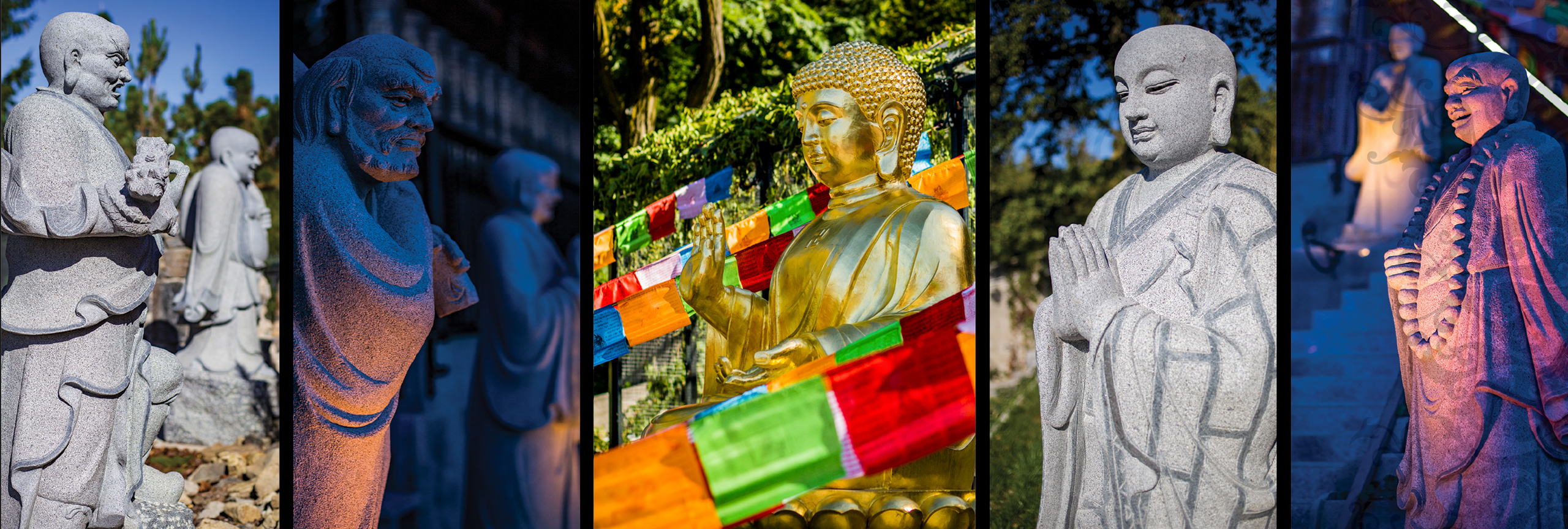
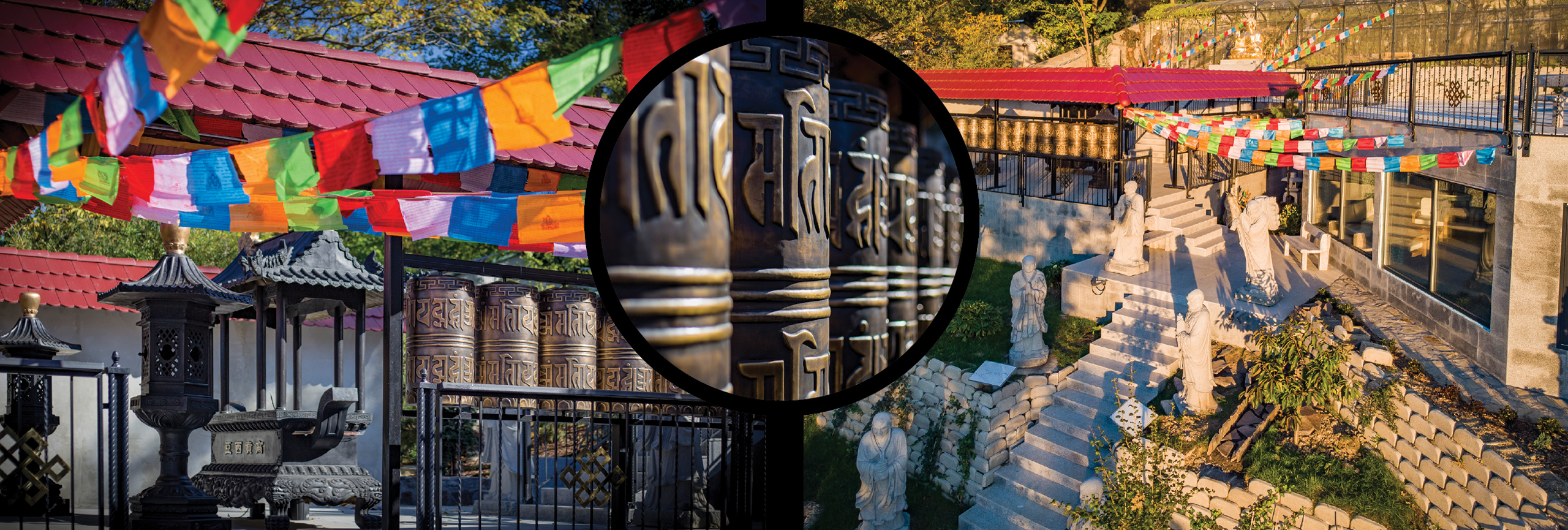
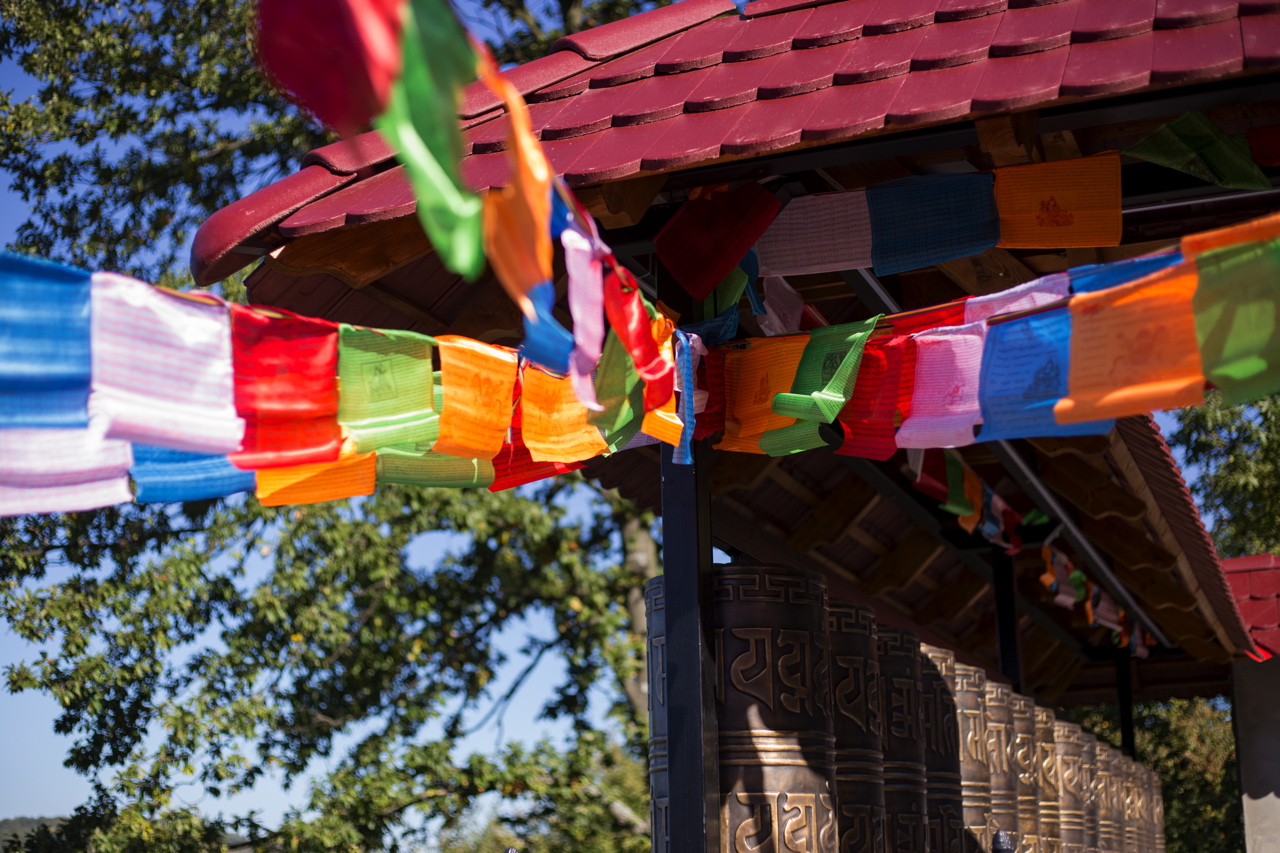
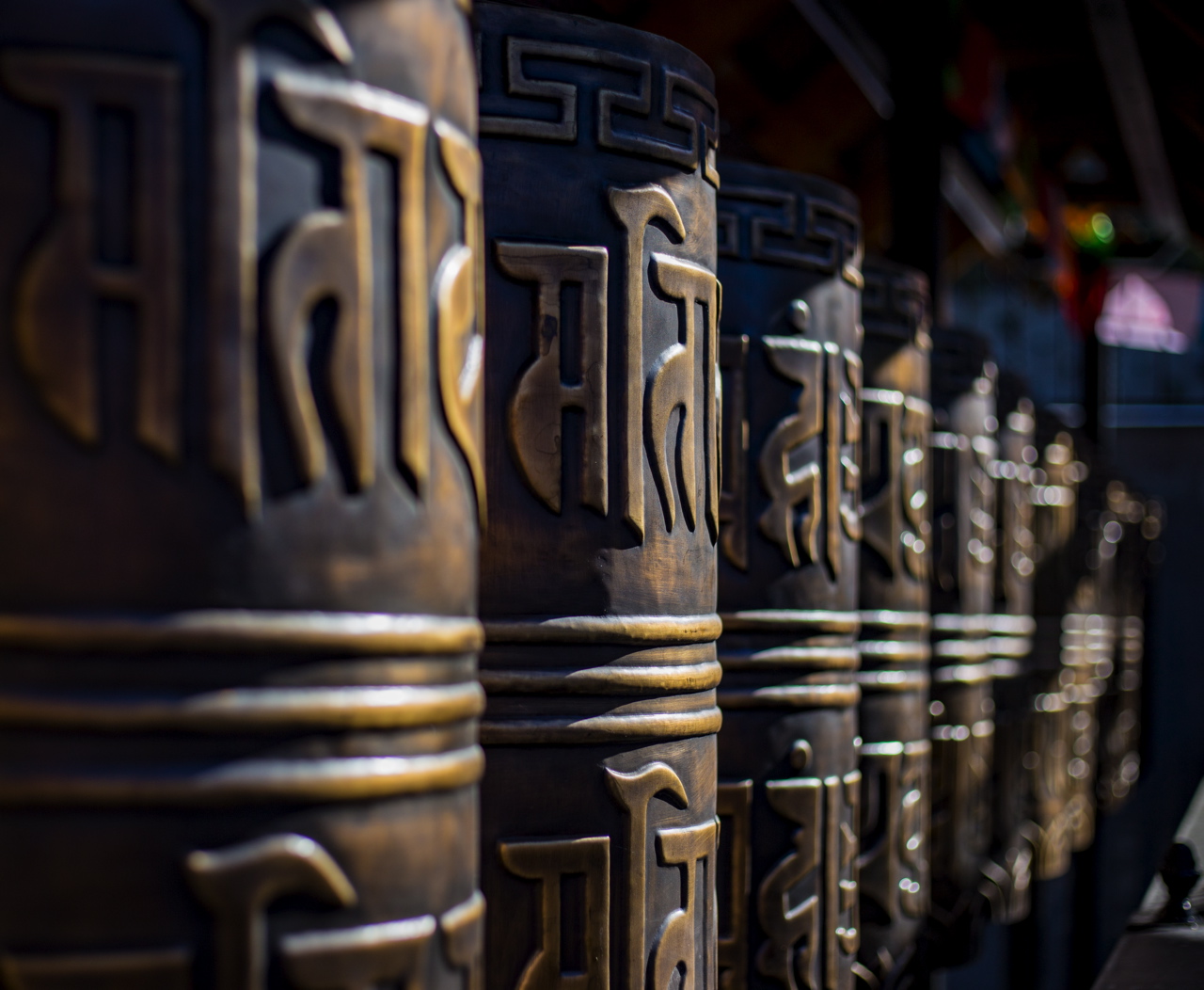
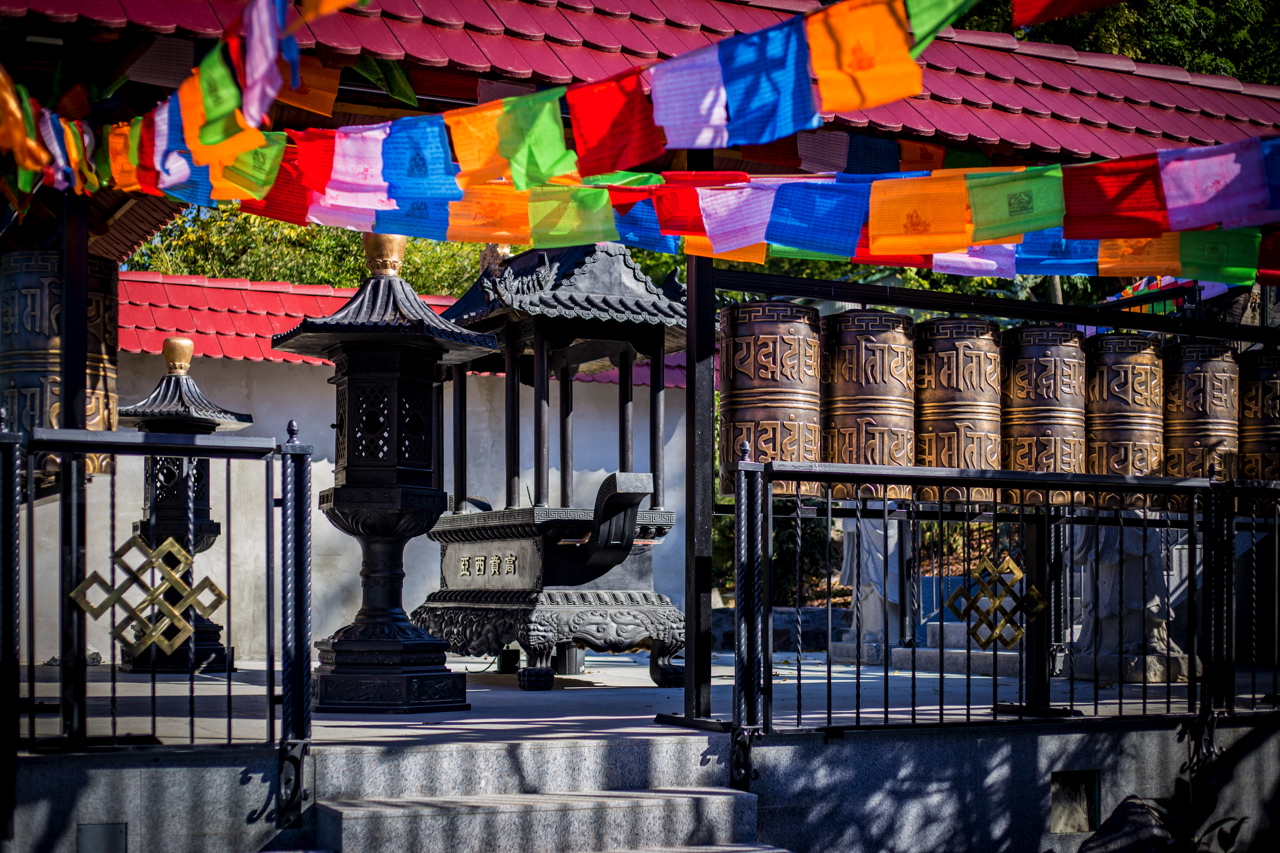
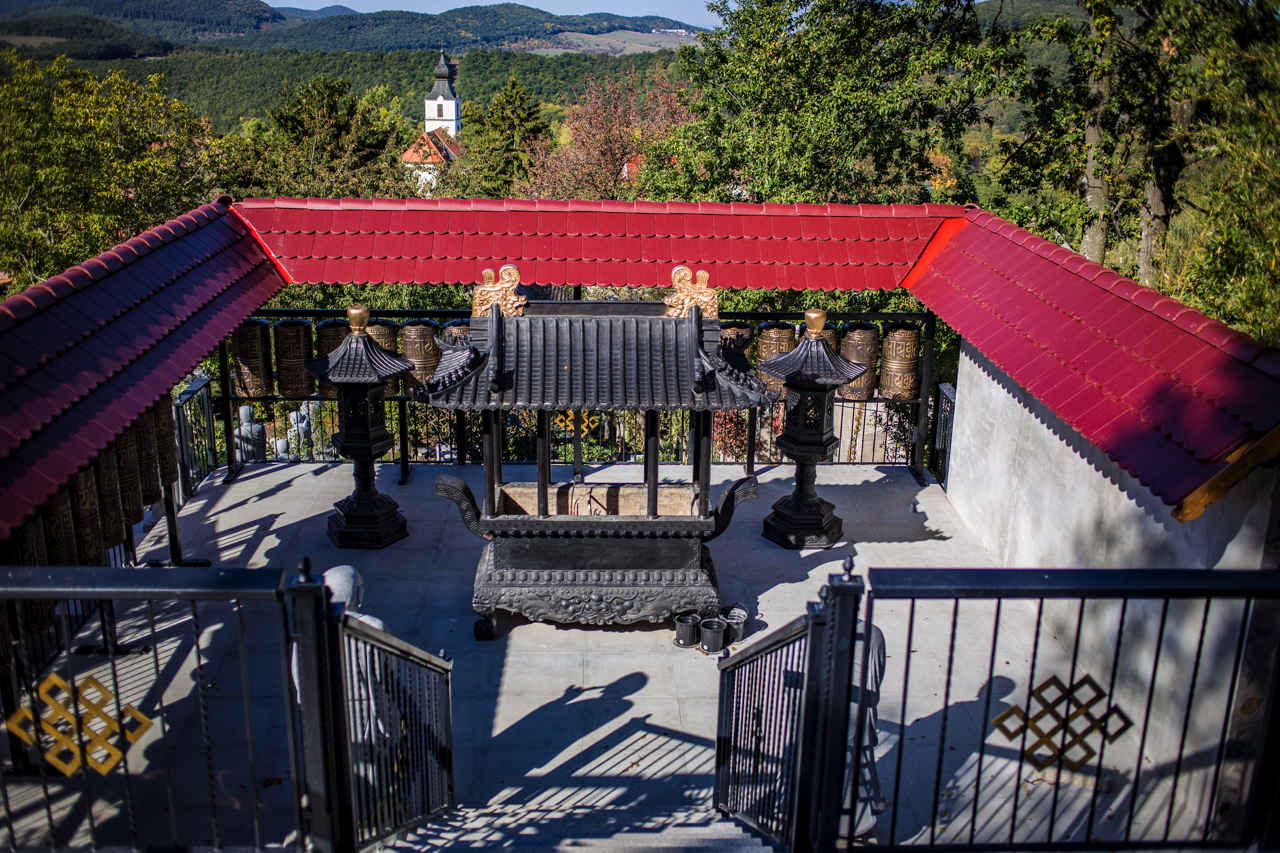
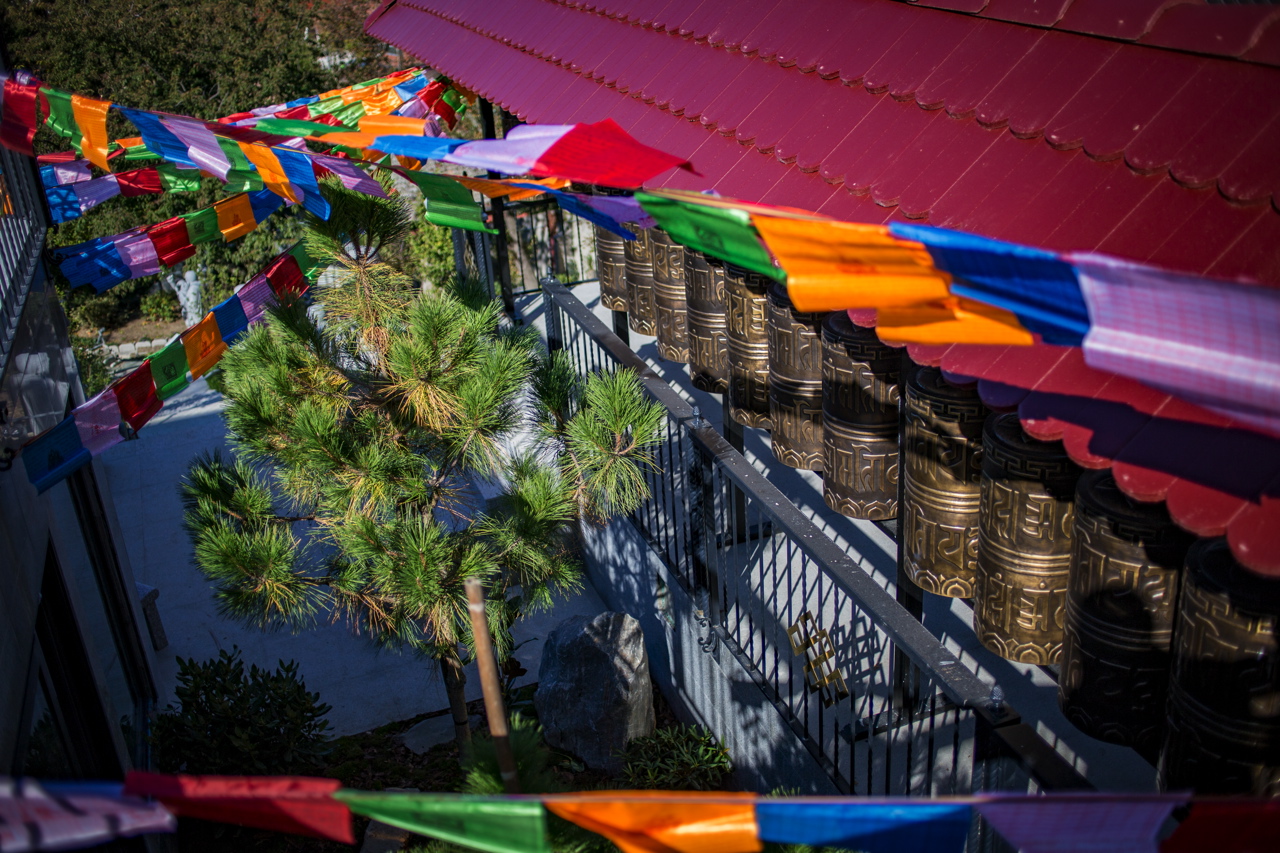
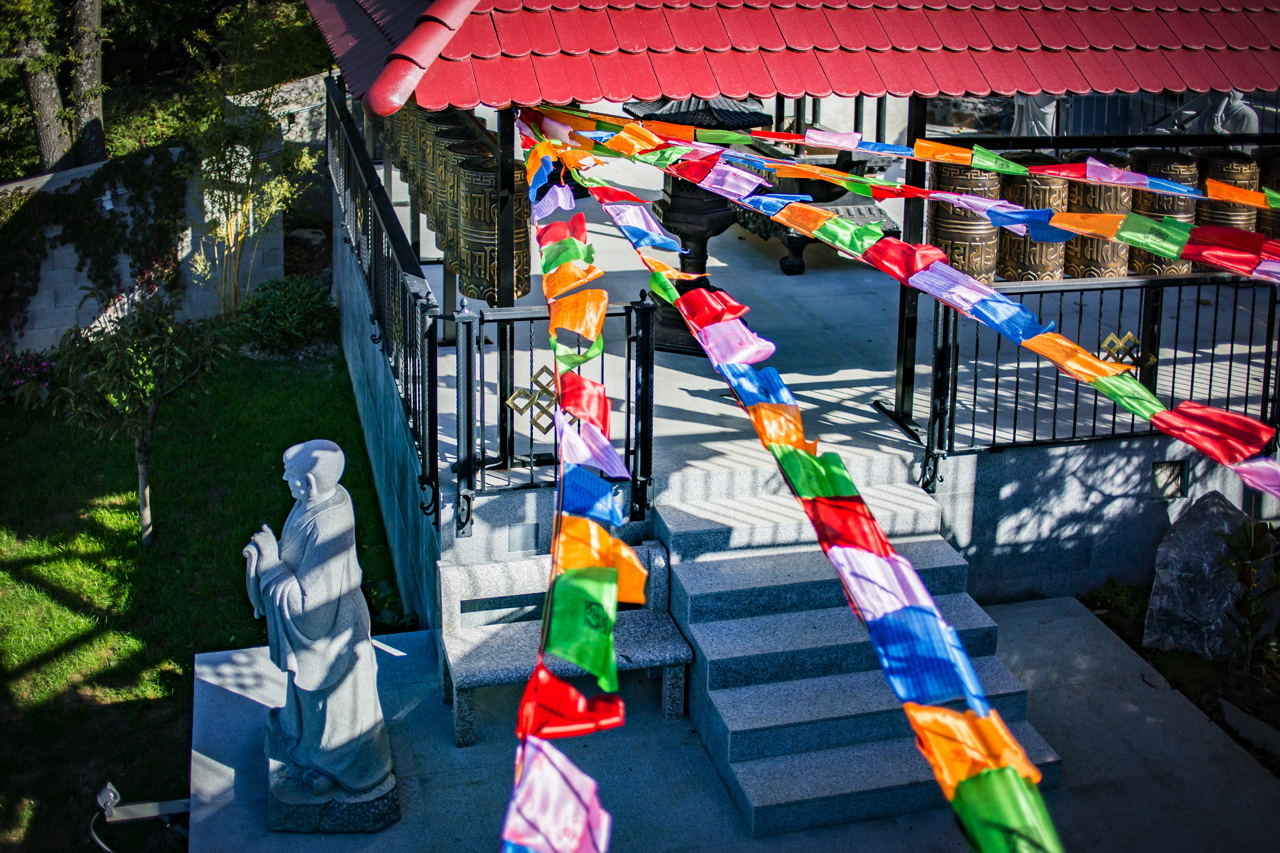
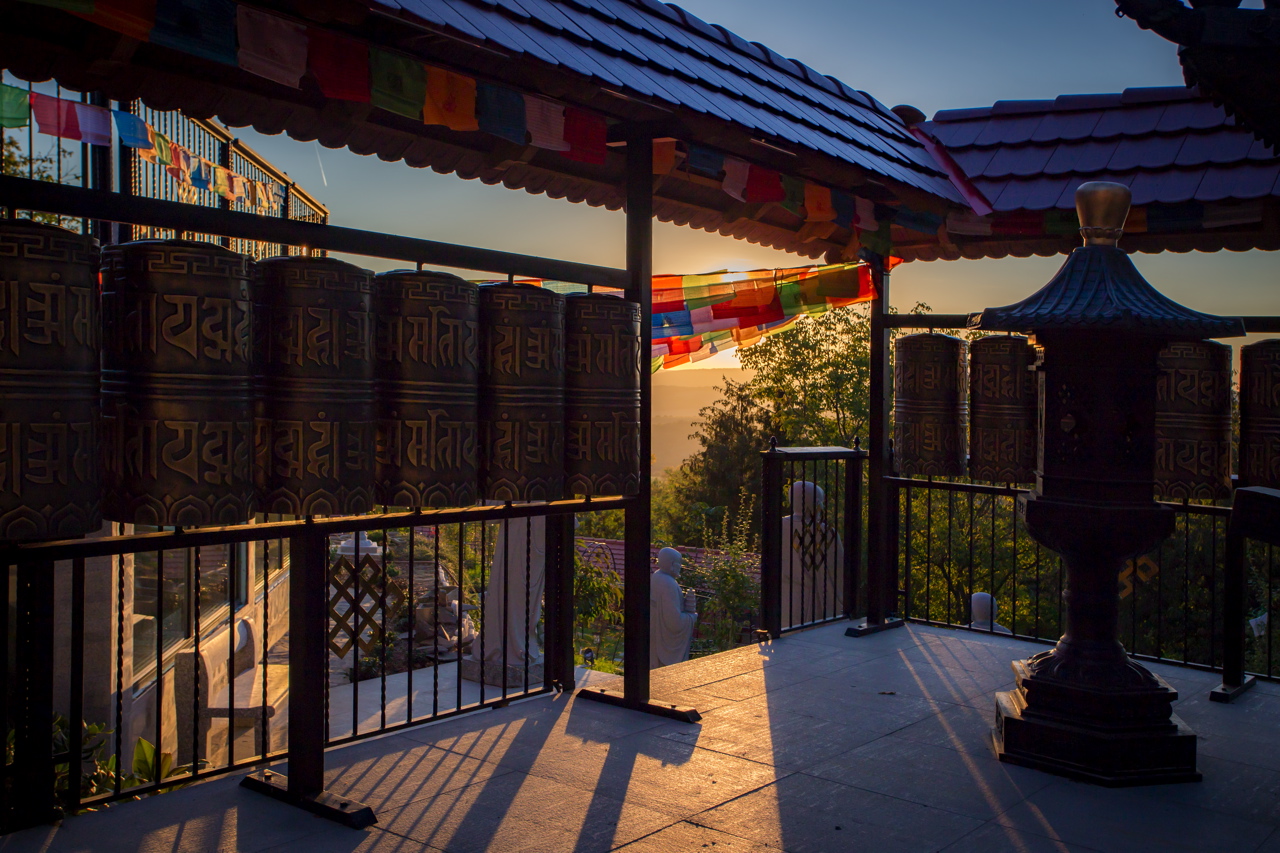
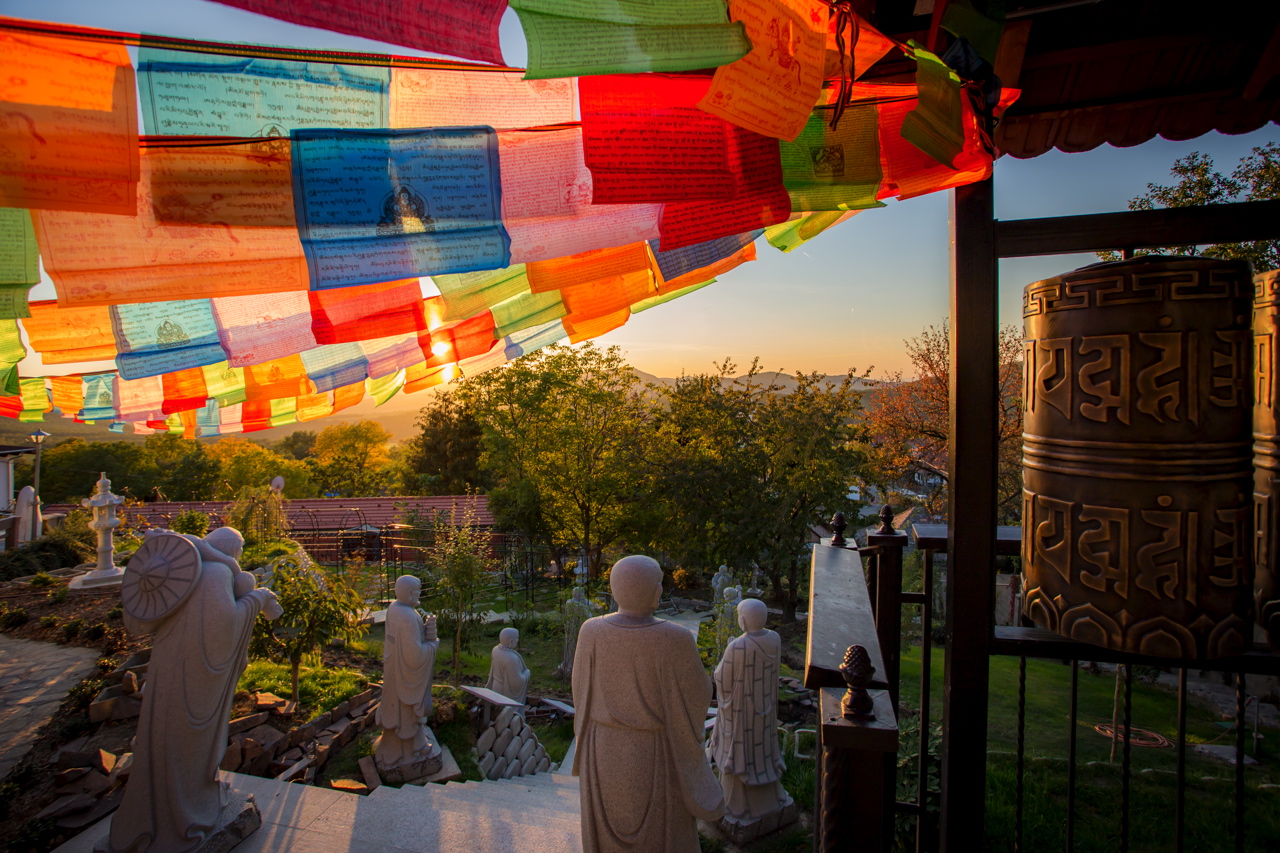
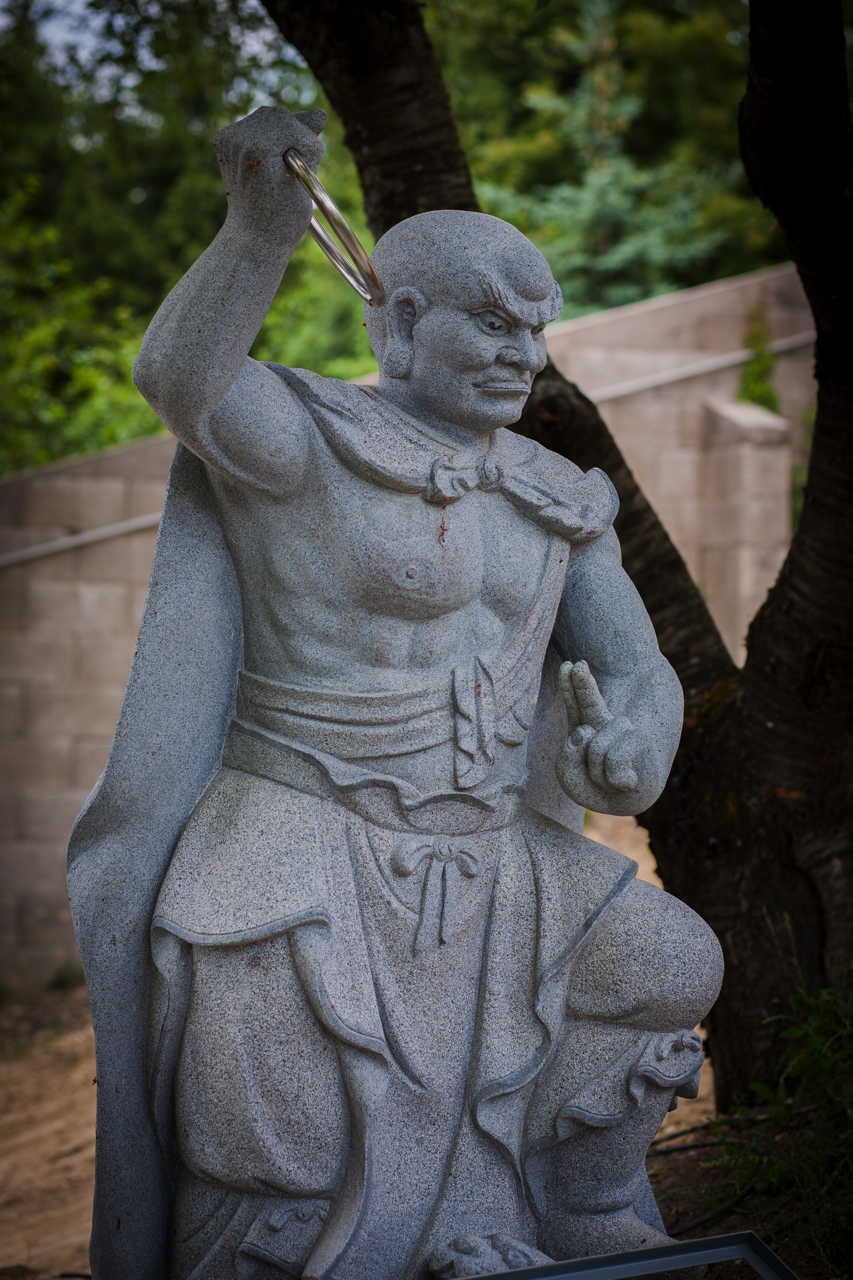
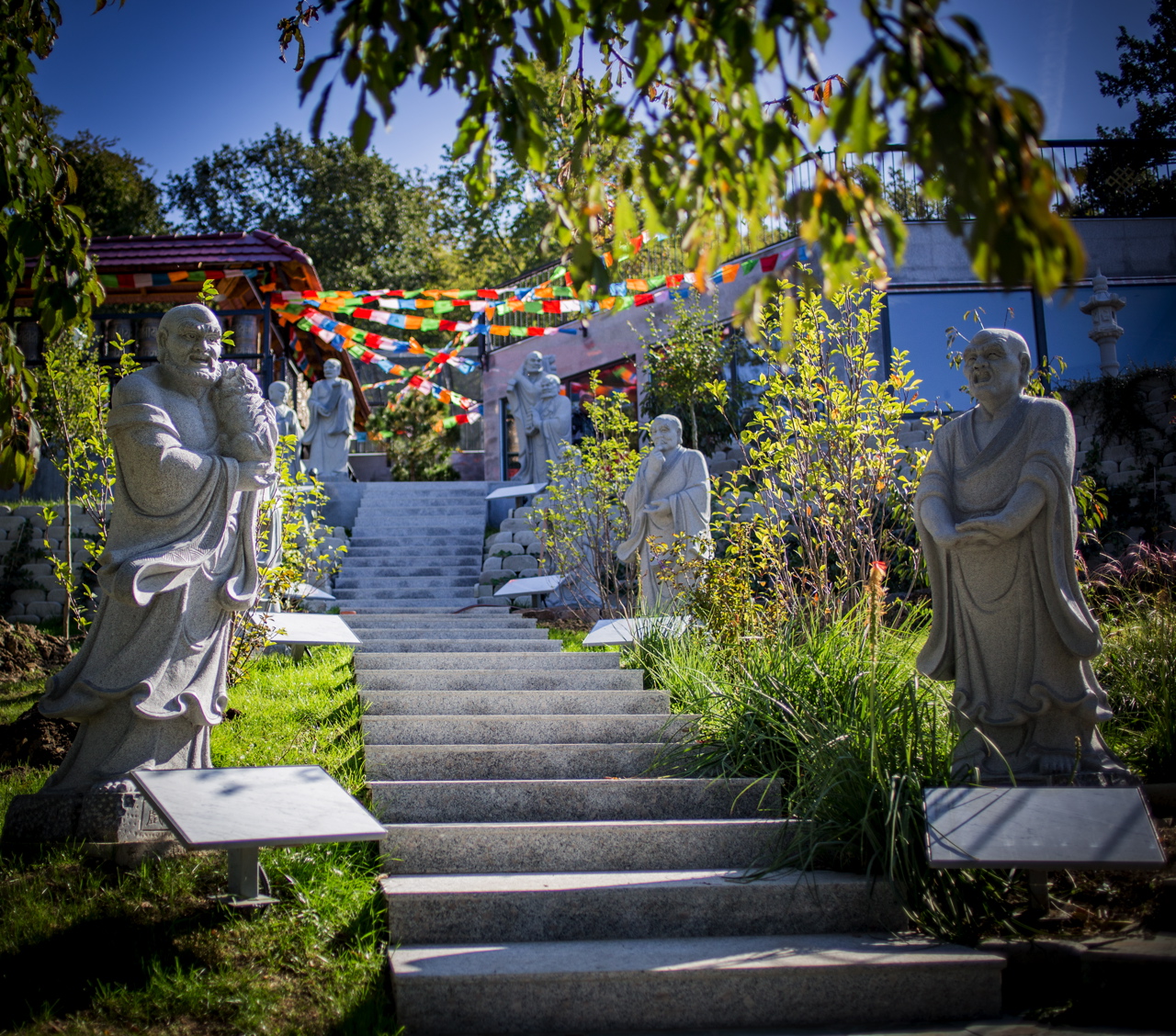
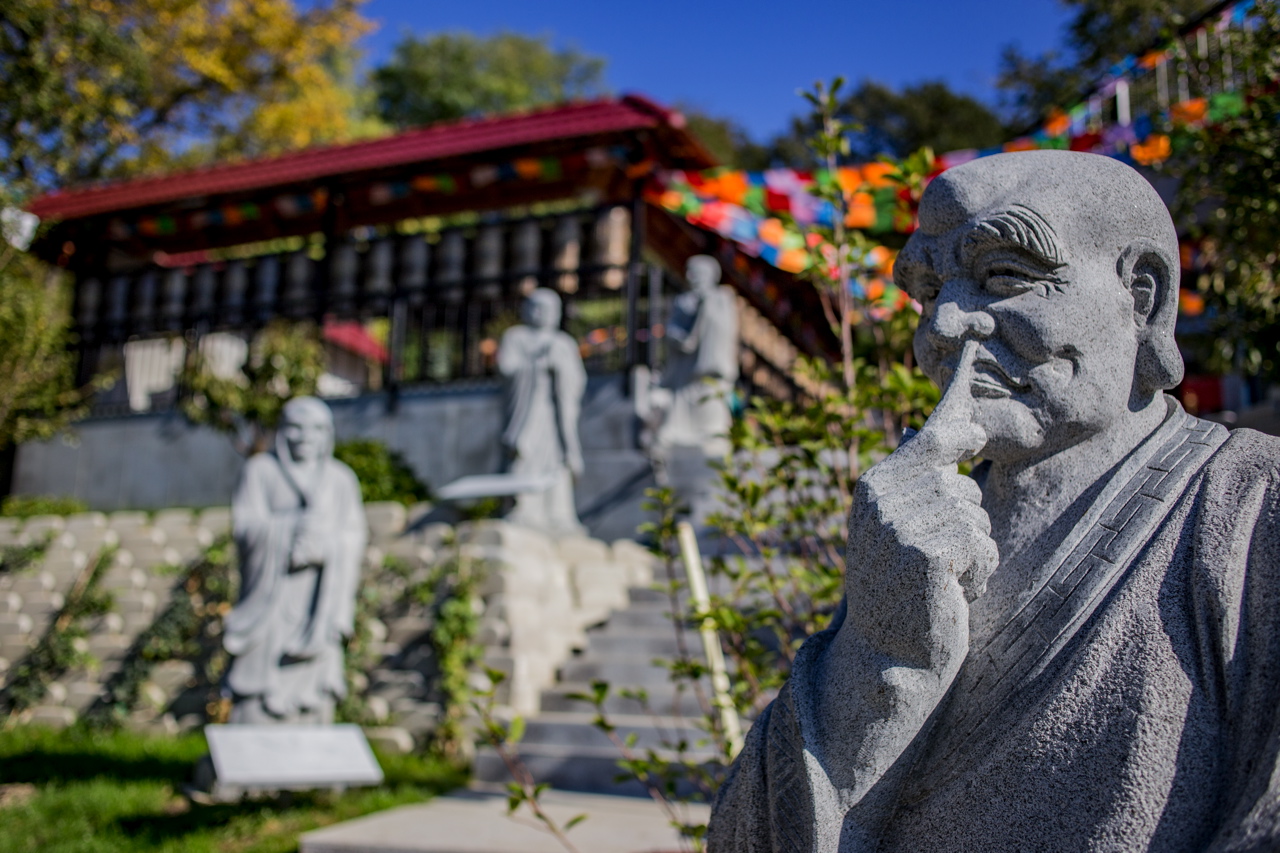
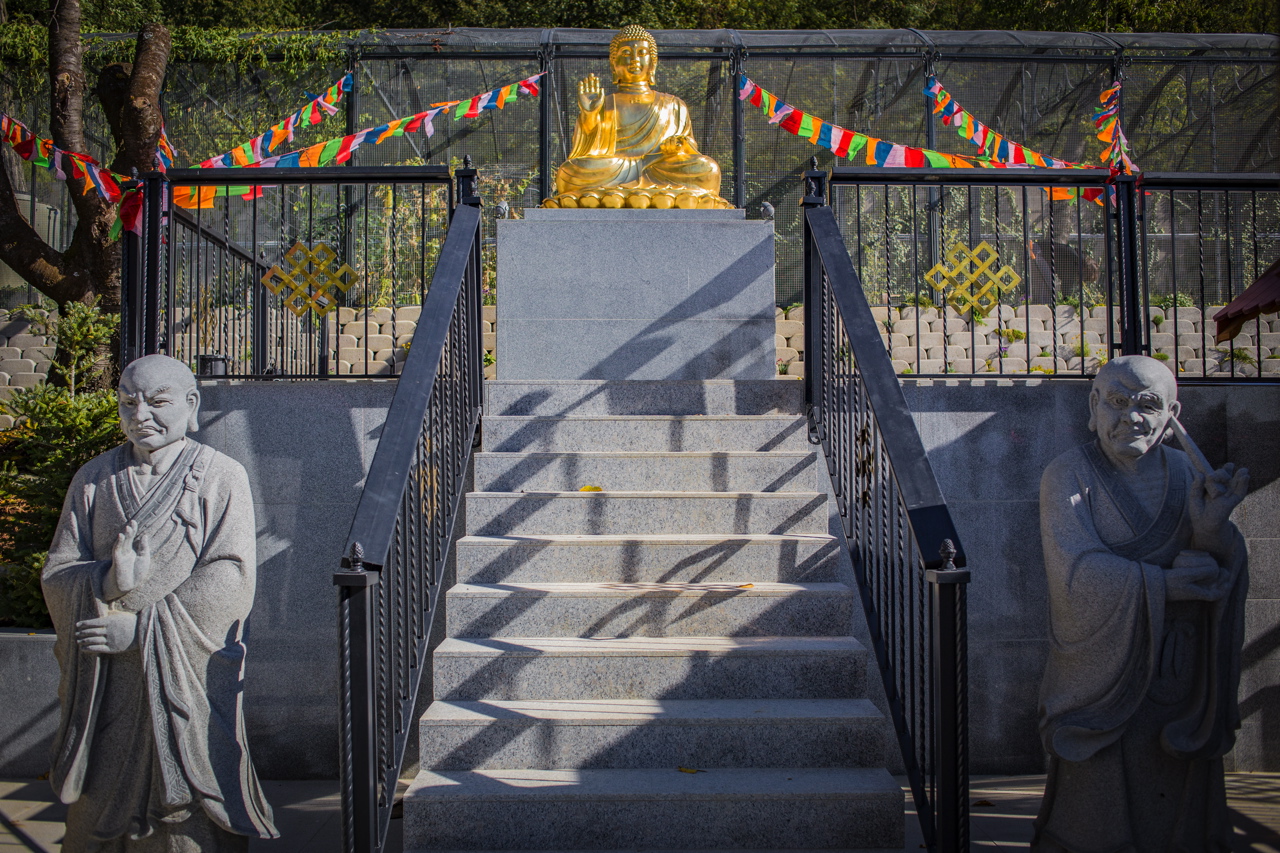
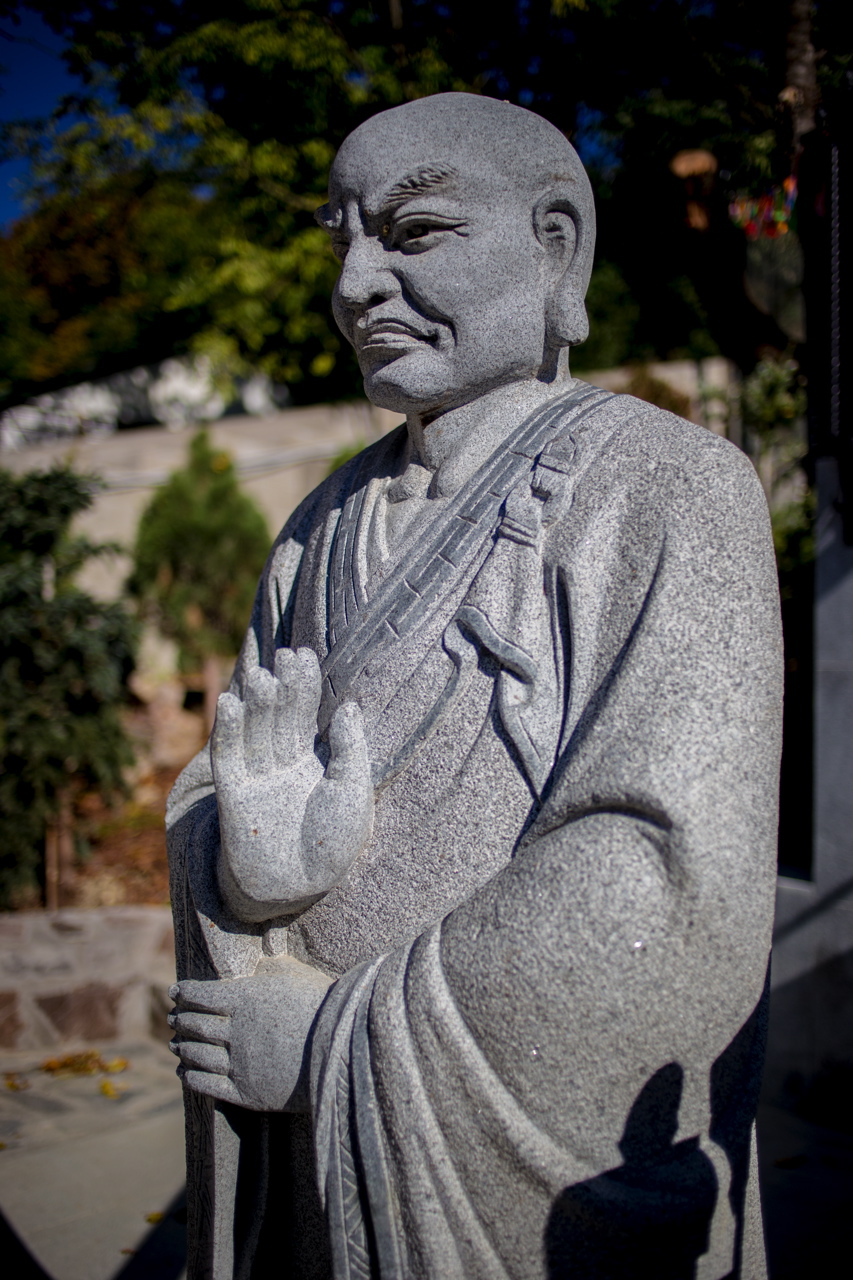
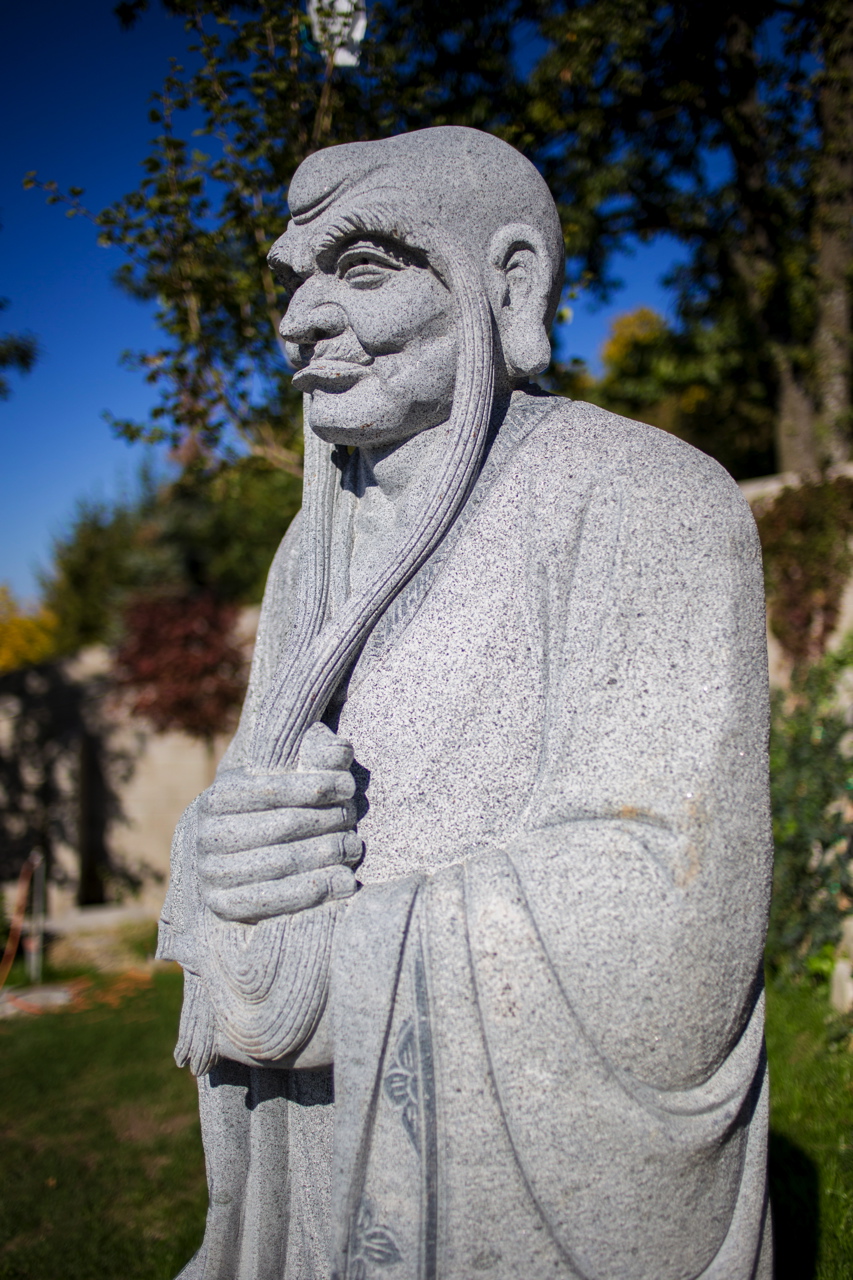
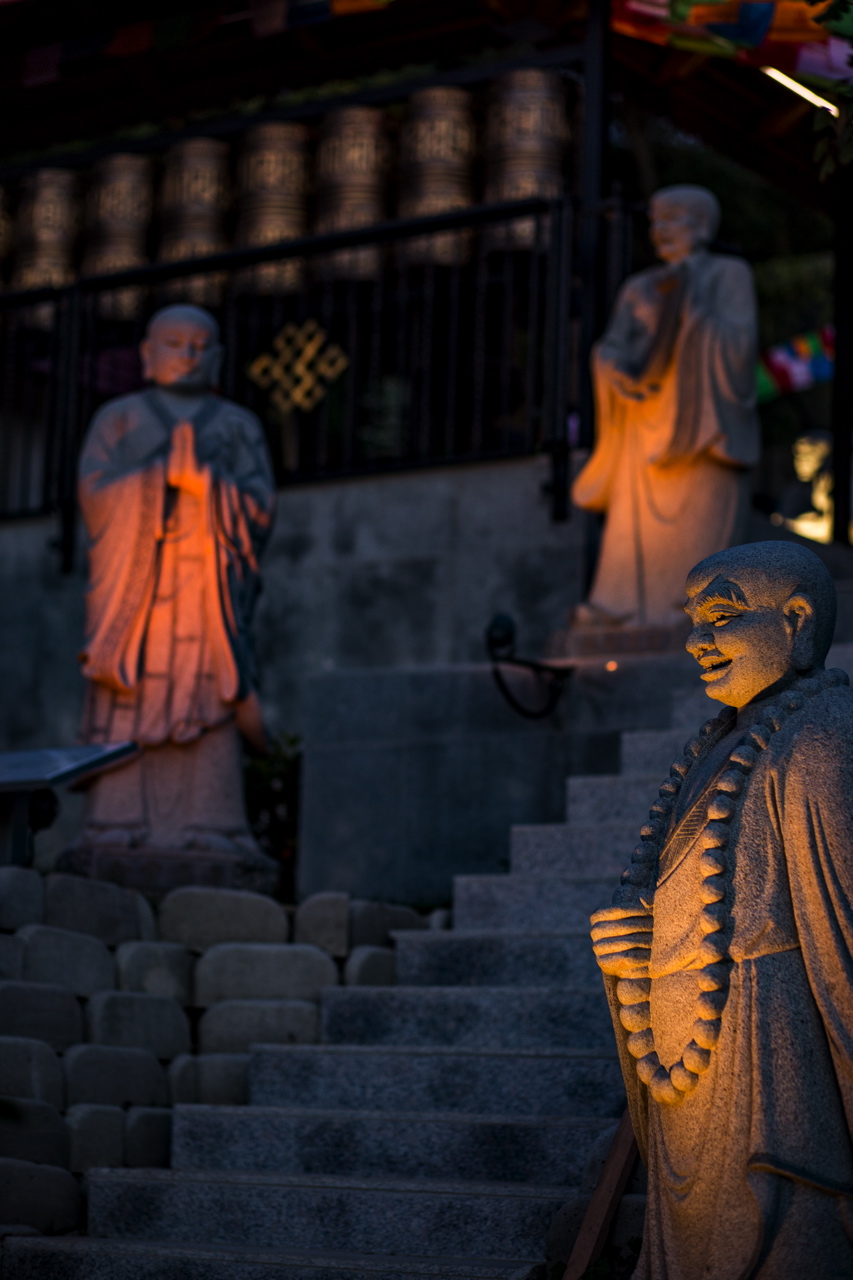
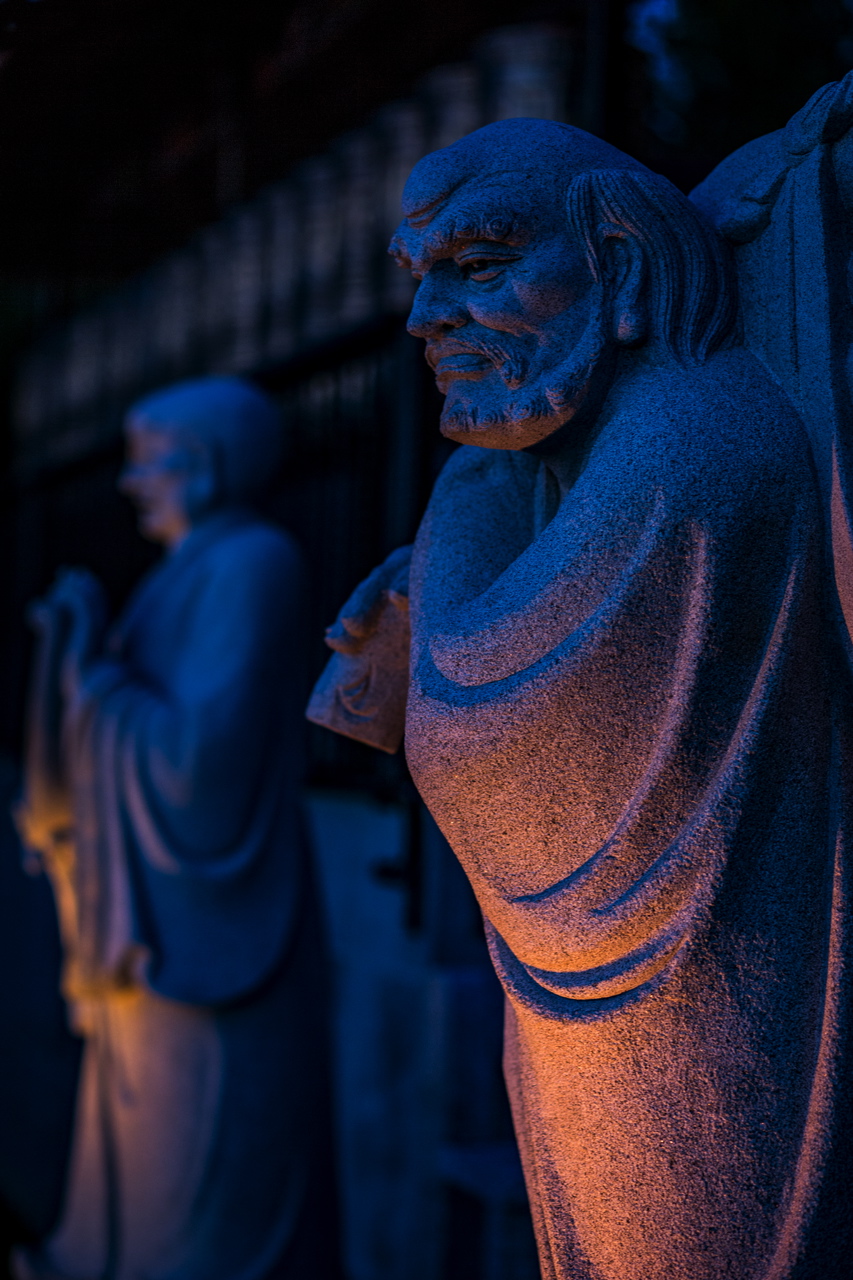
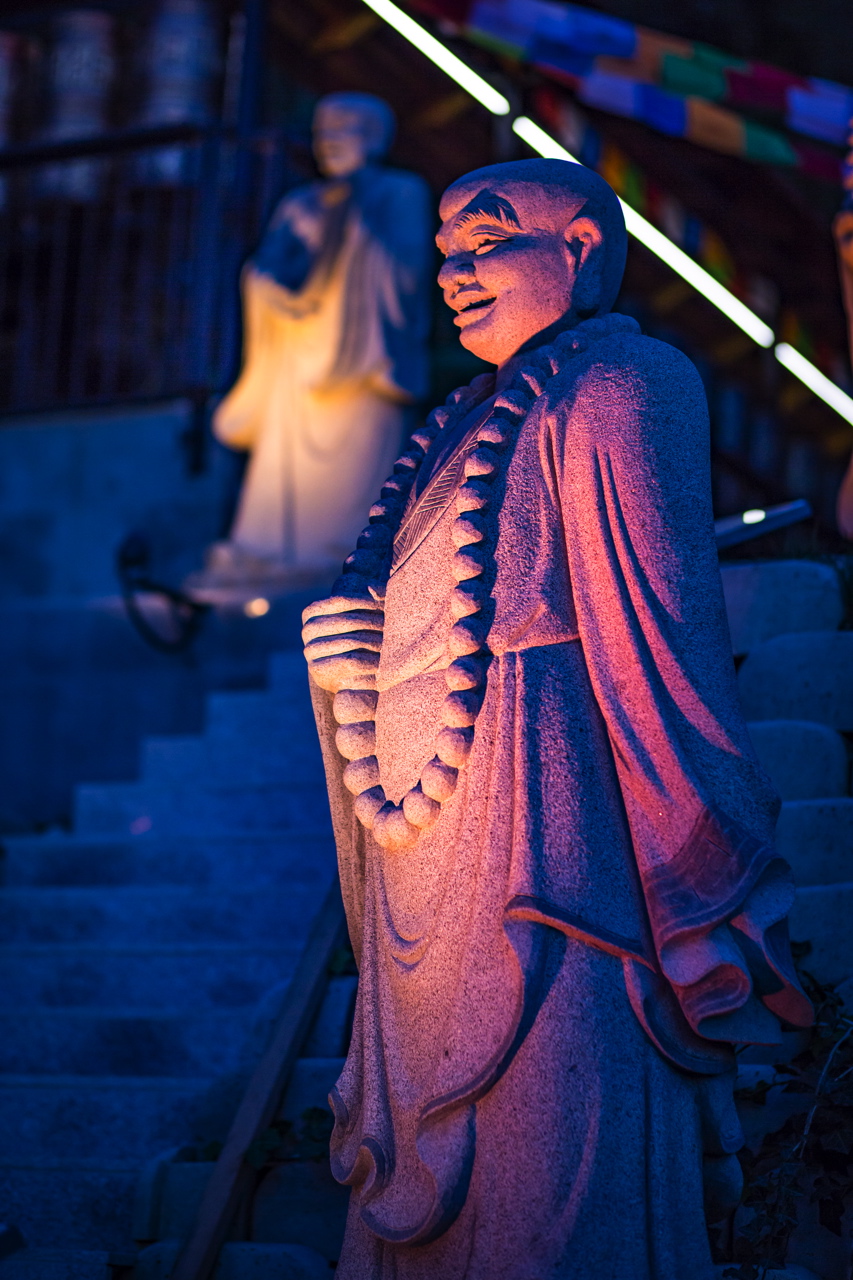
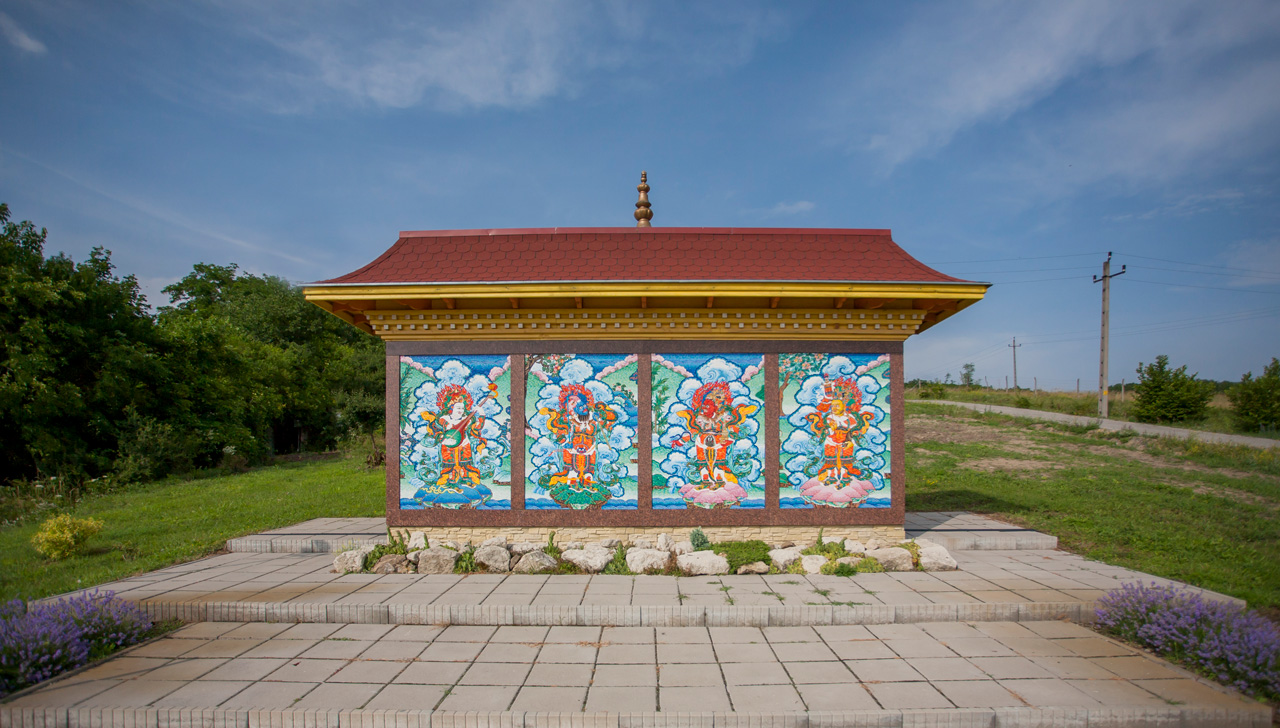
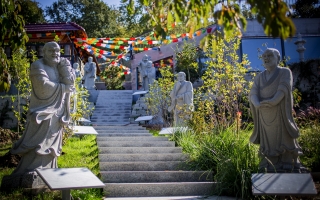
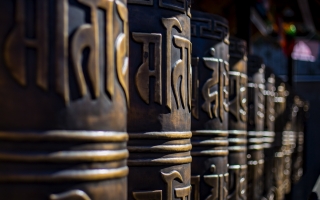
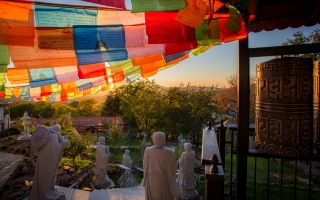
Prayer wheels and guardians

The more I read about Buddhism and the more I immerse myself in it, the more I realize that Buddhism is not a religion... By now it is so diversified and individually interpretable, that even small temples have their own Buddhist rules...

In my opinion Buddhism is a kind of character development, a way to inner balance and enlightenment... It is the most difficult for a person to understand its self! In our world many people lose their balance... most of them does not even know what they want to do with their lives.

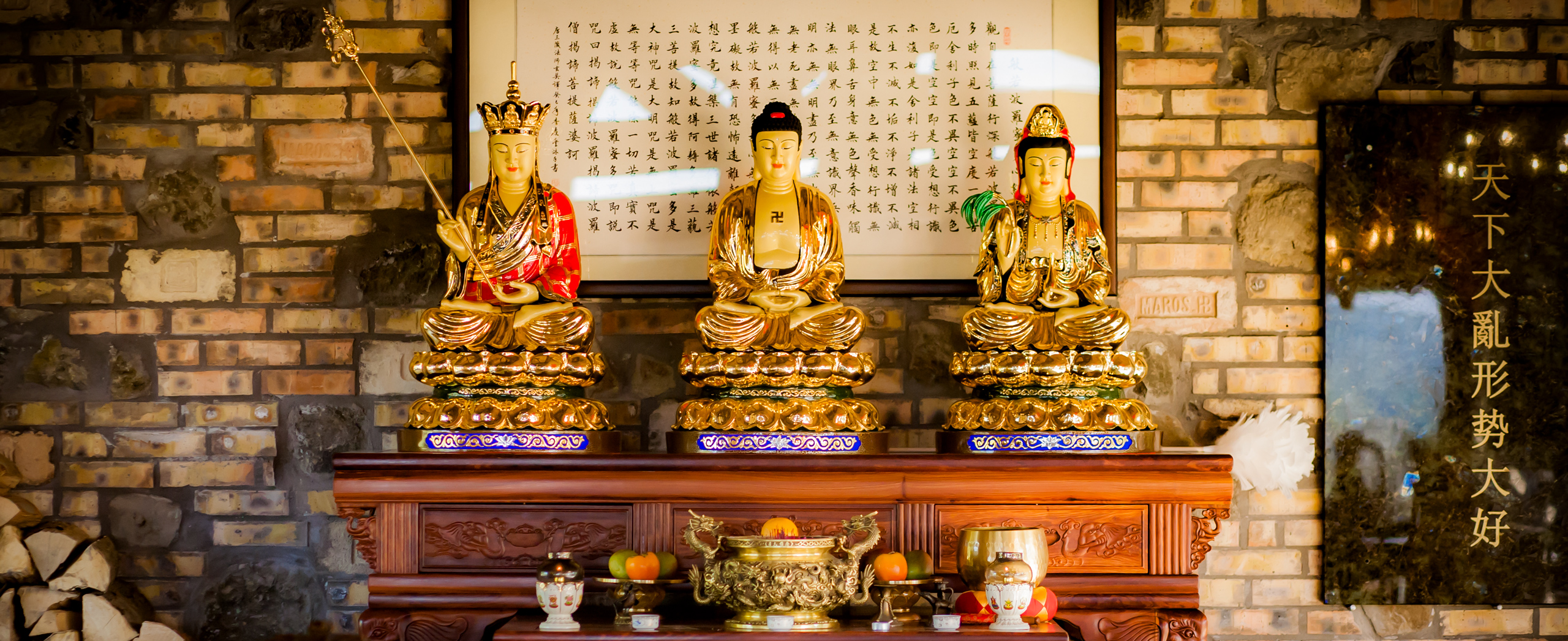
Buddhism leads to unconditional love, to compassion, to balance... The more temples I visit, the more stories and legends I hear, the closer I feel myself to this ideology.

There are no wise things which teach you not to be happy.

Buddha

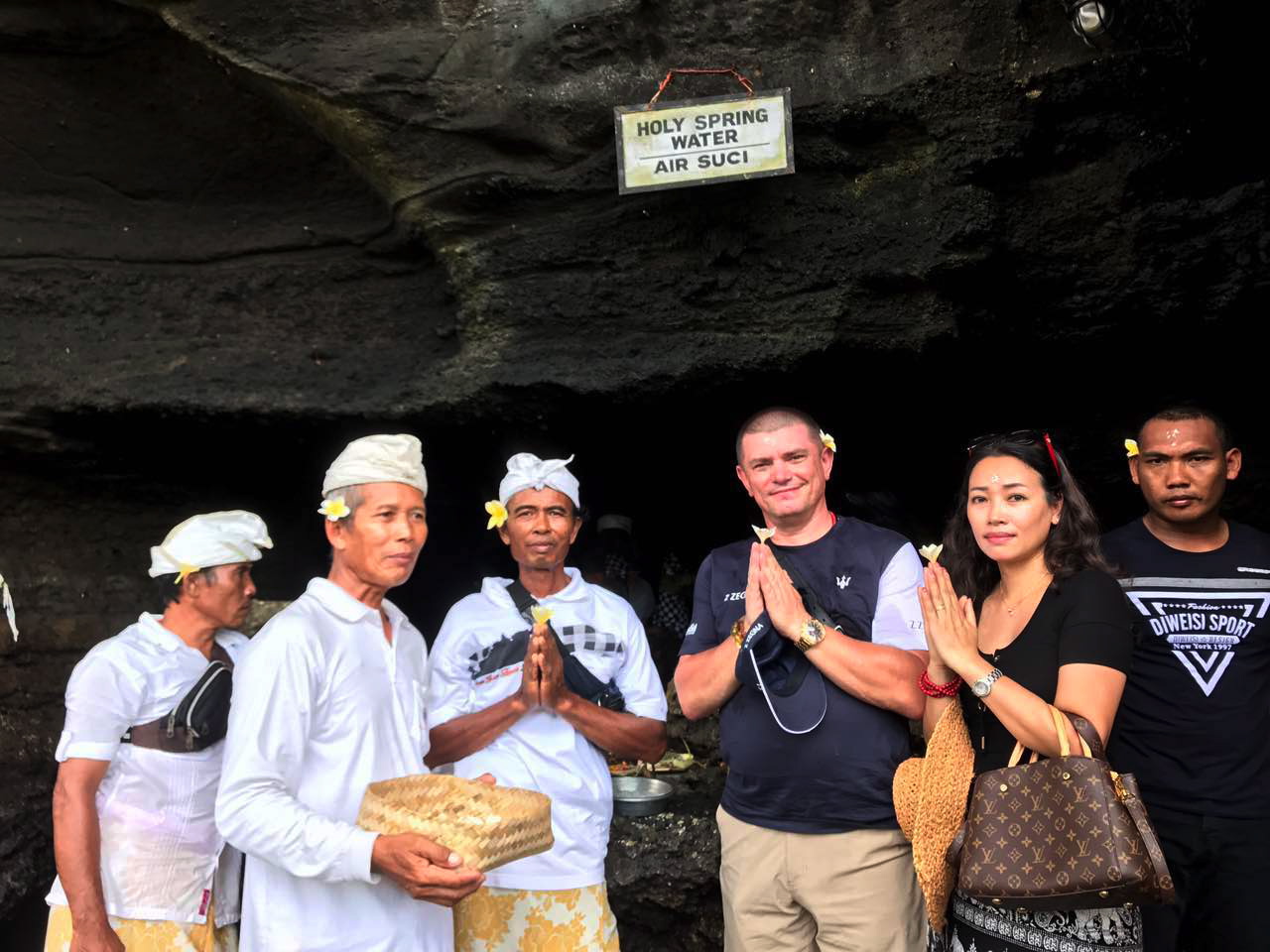
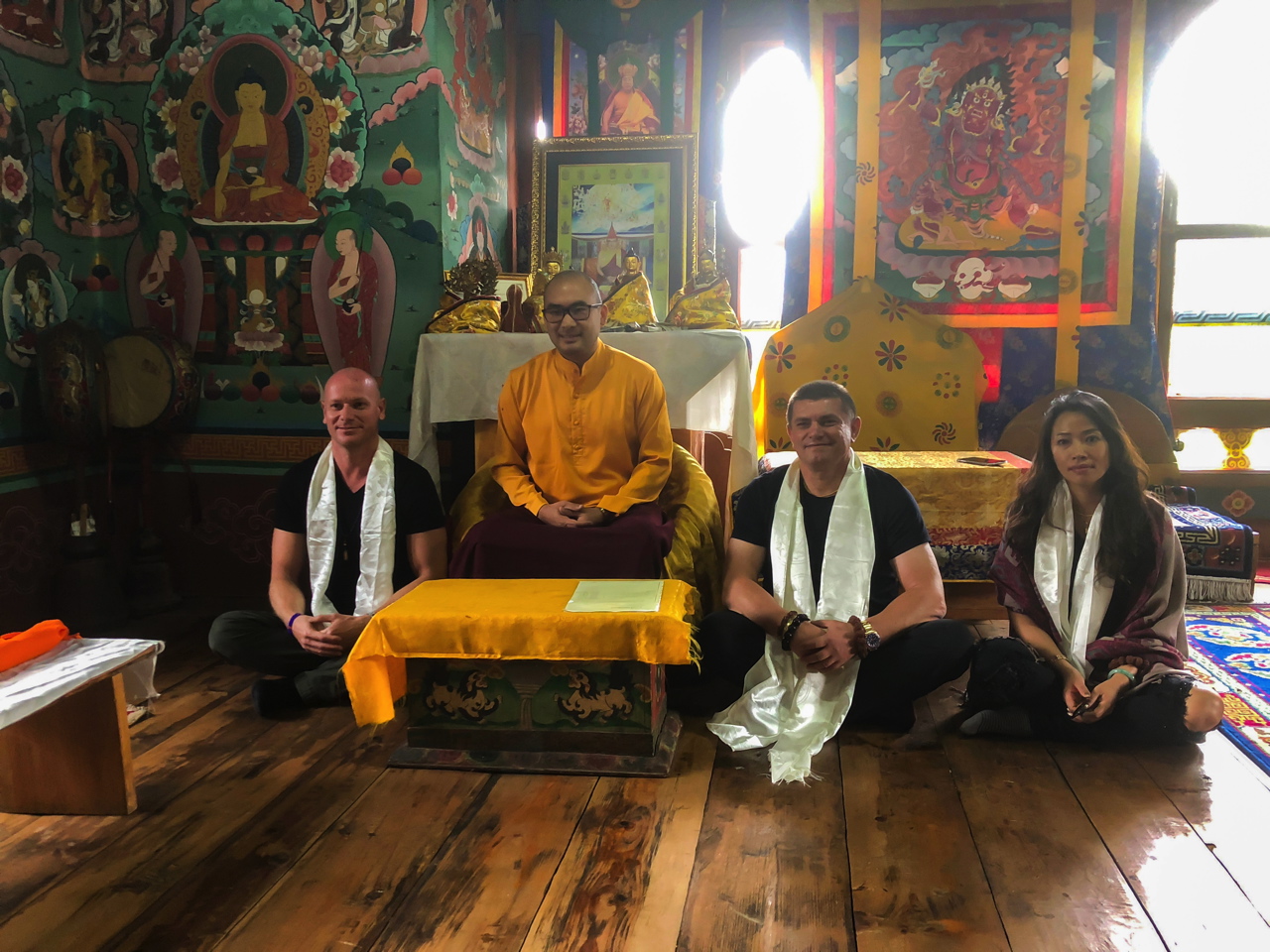
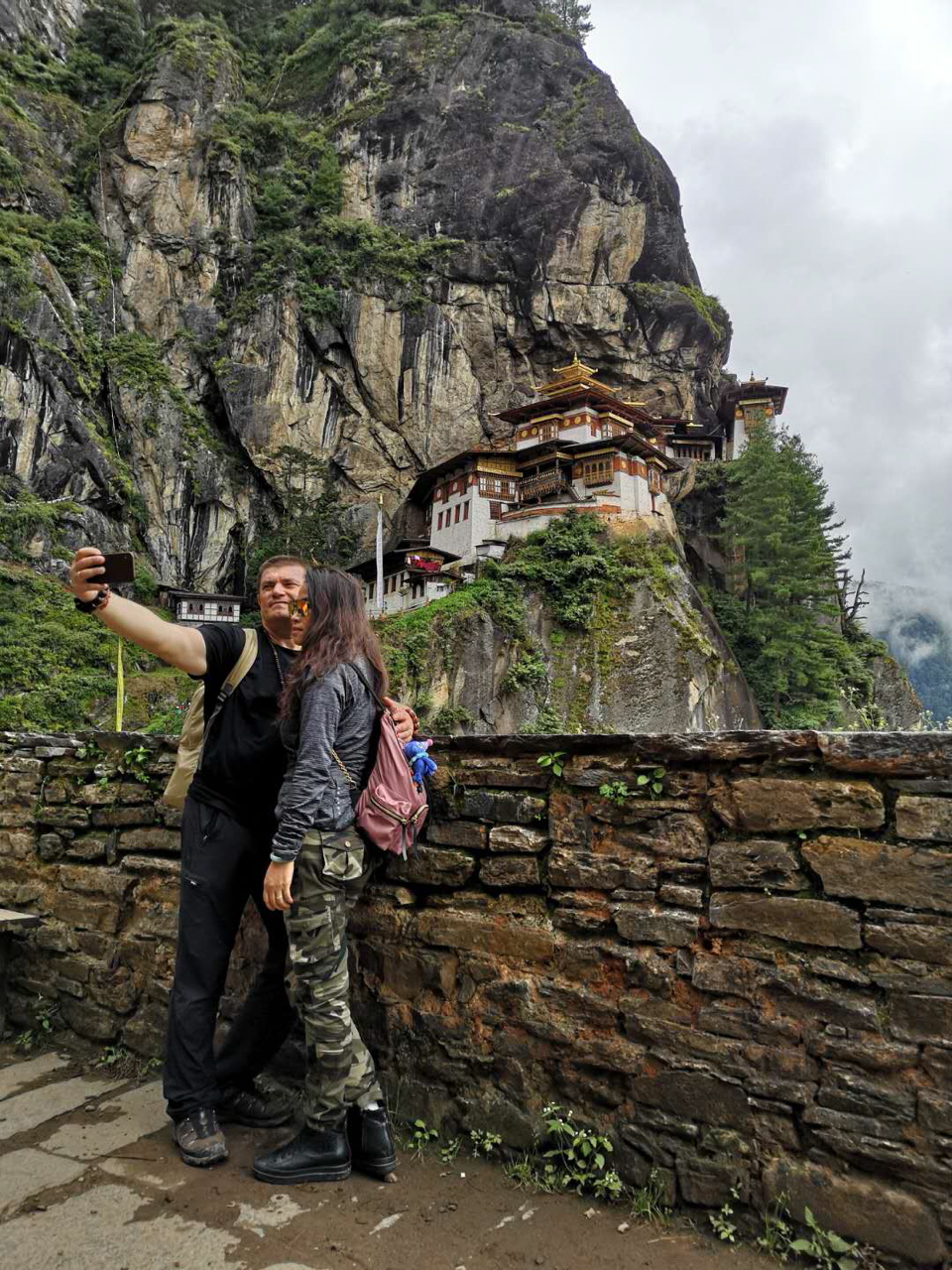
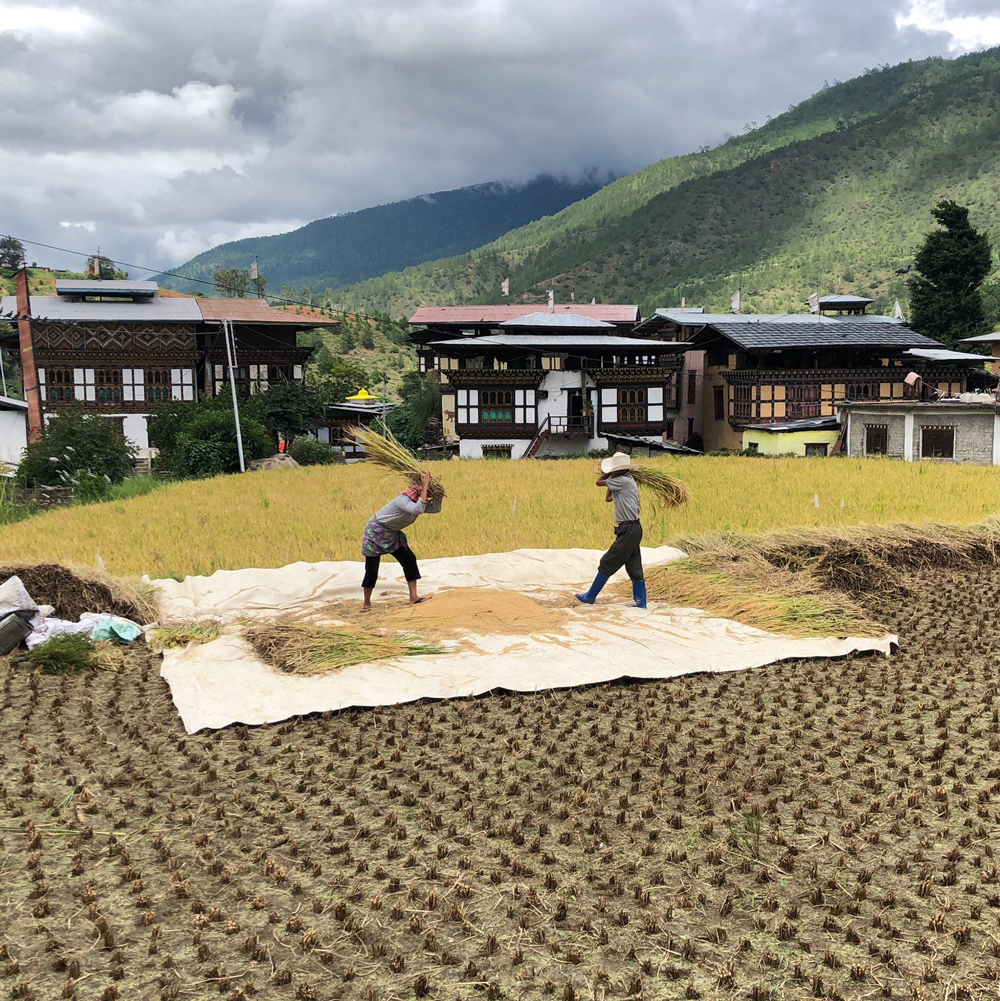
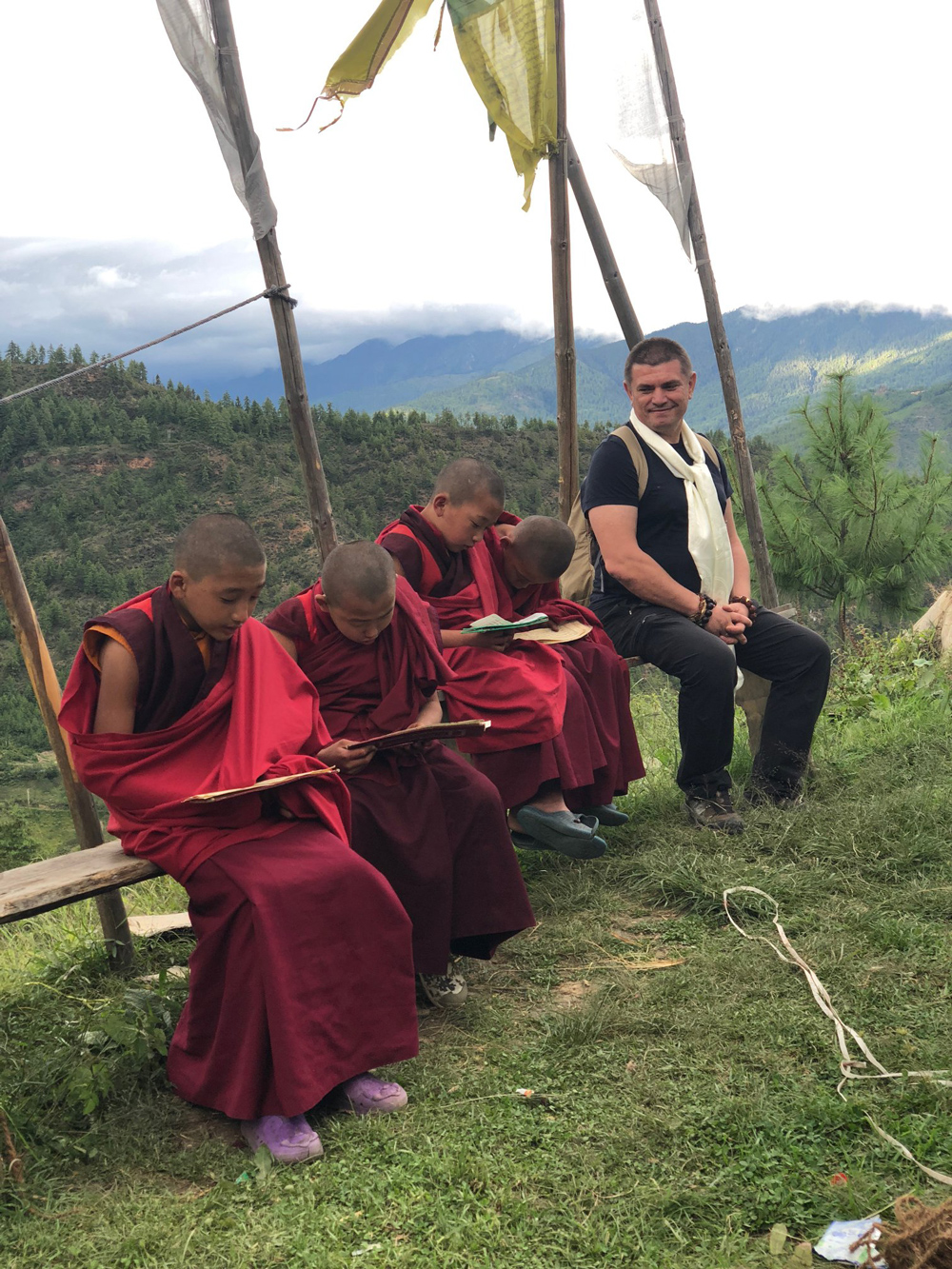
I sit now in Taipei in my luxury Horizon Club 5+ star 65 m2 room at the 36th floor of the Shangri-La Hotel, but a couple of days before we walked between the rice fields of Bhutan and visited temples... in these small villages I saw for the first time how rice is threshed by hand... in a tiny temple above a small village a hundred-year-old (!!!) Lama blessed us....everywhere everything is so simple and poor, but a feeling of peace and love permeates everything.

I wear a 108-bead mantra chain around my neck, but when the Lama asked me what kind of mantras I have I told him the story: Many years ago my divorce left me shaken. I felt there was no way further. I kept rushing and floundering but could not stand up for many years. I went to all kinds of soothsayers, seers and witches... Once somebody recommended spiritual response therapy, I do not even know today what that is... but the woman I met left a deep impression in me. She told me to repeat nine words a hundred and eight times, every day at least thrice. I should also wear the 108-bead mantra chain and say the mantra.

I fell really deep, and I was ashamed of wearing the mantra chain before others... but my situation was so hopeless that I still kept saying the mantra... at first only a few times, then I become braver, then almost all the time. These nine words, curious as it seems, changed everything around me, because I became attuned to it... I gave up hating people, I saw no enemies in those people who were against me... and everything started upwards around me. Now I have the World before me, I can reach almost everything I feel like...

I love to climb mountains. Last February I climbed the 7000+ meters peak of the Aconcagua. Only 4 of us reached the summit from a group of 12 people... above 6000 meters everything is different, muscles do not help, only faith does! I kept saying the 9-word mantra and all of a sudden I stood at 7000 meters (6,962 m).

We can reach anything in life, if we have faith and love!


I told the Lama I know no mantras, I keep saying my own mantra.

The Lama heard it and told me: It is a good Mantra.

The Internet helps those who cannot travel the world, and Buddha said: „I am before those who think of me.” And if you already have faith and love, the World is also before you.

These nine words are the following:
God Shows Me The Way
To The Perfect Love.


A great rock is not disturbed by the wind; the mind of a wise man is not disturbed by either honor or abuse.

Buddha

Mahayana Buddhist Church

A Brief Biography Of His Eminence Trulku Jigme Thubten Rinpoche, popularly known as H. E., Trulku Jigthub Rinpoche

Tulku Jigthub Rinpoche is the immediate reincarnation of the Dzogchen Yogi Lama Thubten Kundhue who was the reincarnation of the great master Thubten Dhongag Rinpoche. Lama Thubten Kundhue was the disciple of the great yogi Togthen Sakya Shri. He founded monastery in Kurtoe and mongar village in eastern Bhutan and propagated Buddhist teachings which brought great benefits to the devotees around.

Tulku Rinpoche was born on 2nd February, 1982 in a small remote village known as Soenakhar located near the great holy site_ Aja_ in eastern Bhutan.

It’s a beautiful village just few hours distance from the very sacred place known as Aja- Nye where Guru Rinpoche visited and blessed the place over 1500 years ago. Infact! It’s believed that in Bhutan there are three most sacred places blessed by Guru Rinpoche, namely Om, A and Hung, (Om-Ba Nye in Tashi Yangtse ), (A- Ja Nye in Sheri Muhung) and (Hung in Paro).

It is said that even though he was born in winter where everything is dried and feathered yet the blossoms of flower sprung showing good omens and signs.

At around three years of age, Rinpoche had a clear memory of his previous life as Lama Thubten Kundhue and recollected about his activities of past life and narrated them genuinely which were witnessed by many people around him particularly by his parents, grandpa, Lama Gyamtsho, who is a serious Buddhist practitioner himself and other intimated relatives. His emininence, Lama Samtrul Rinpoche recognized and confirmed him as the reincarnation of Lama Thubten Kundhue Rinpoche. He gave the name „Jigmed Thubten” inheriting his name from his predecessor.

Rinpoche received all the basic education of Buddhist teachings including the religious liturgical proceedings from his grandpa venerable, Lama Gyamtsho till he was fourteen years of age.

As prophesied by His Holiness, the late His Holiness Tsetrul Rinpoche, to pursue further studies in Vajrayana Buddhism, Tulku Jigthub Rinpoche went to Namdroling Monastery, Mysore, Karnataka, south India founded by His Holiness, the late H.H.,Pema Norbu Rinpoche. During the Nine Years Course of studies in the monastery, Rinpoche completed a wide range of studies covering the whole sets of Sutrayana and Vajrayana teachings under the guidance of many religious ministers, tulkus and acharyas.

Apart from all these, he received the empowerments and instructions of Ngayur KAMA and TERMA of the Nyingma lineage from His Holiness Pema Norbu Rinpoche. Empowerments and instructions of treasure revealer Ratnalingpa, Dorjilingpa, Pedmalingpa, and Karmalingpa were also received from his Holiness and other great masters.

Rinpoche also received important empowerments and instructions from his Holiness Tsetrul Rinpoche. From His Holiness Yangthang Rinpoche, he received the empowerments and pith instructions of the Nyingthig lineage. Likewise, at the very young age, he received empowerments of the Nyingthig lineage from His Holiness Dodrup Rinpoche in Bhutan.

Lineage of His Eminence Trulku Jigthub Rinpoche

Thubten Dhongag Rinpoche was a master, of the Nyingthig Lineage, whose lineage blessings, instructions and accomplishments descended from the great Dzogchen master Paltul Rinpoche of the nineteenth century. His Holiness Pema Norbu Rinpoche, His Holiness Yangthang Rinpoche, and His Holiness Tsetrul Rinpoche, all of whom were the great Dzogchen Masters, were the holders of the Nyingthig Lineage. His Holiness Dodrup Rinpoche is the main Dzogchen Lineage holder today. His Eminence Tulku Jigthub Rinpoche received empowerments and teachings from the prominent Dzogchen masters mentioned above.

So the lineage empowerments, instructions and blessings of venerable Tulku Jigme Thupten Rinpoche originated from Dharmakaya Samantabhadra and passed onto Sambhogakaya Vajrasattva, Nirmanakaya Garab Dorji and then onto Manjumitra, vidhyadhara Shri Singha, Vimalamitra, Pedmakara, king Trisong Deutsen and his consort Yeshi Tsogyal and gradually to Longchen Rabjam who passed onto Jigmed Lingpa and then to Patrul Rinpoche. The empowerments, instructions and teachings were then passed onto yo the great masters mentioned above from whom Tulku Rinpoche received them directly.

At the moment, apart from going into short retreats occasionally, Tulku Rinpoche is working hard in taking care of a temple in Paro, western Bhutan upon the request made by the public and another temple in his native village in eastern Bhutan. Both the temples are in urgent need of renovations. The Sangha members in the both the temples are committed solely towards the activities of bringing benefits to the public solving their problems through Buddhist teachings in various ways.

SARVAMANGALAM!

View the embedded image gallery online at:
/en/grabensia-en/mahayana#sigProIdd7669655a8

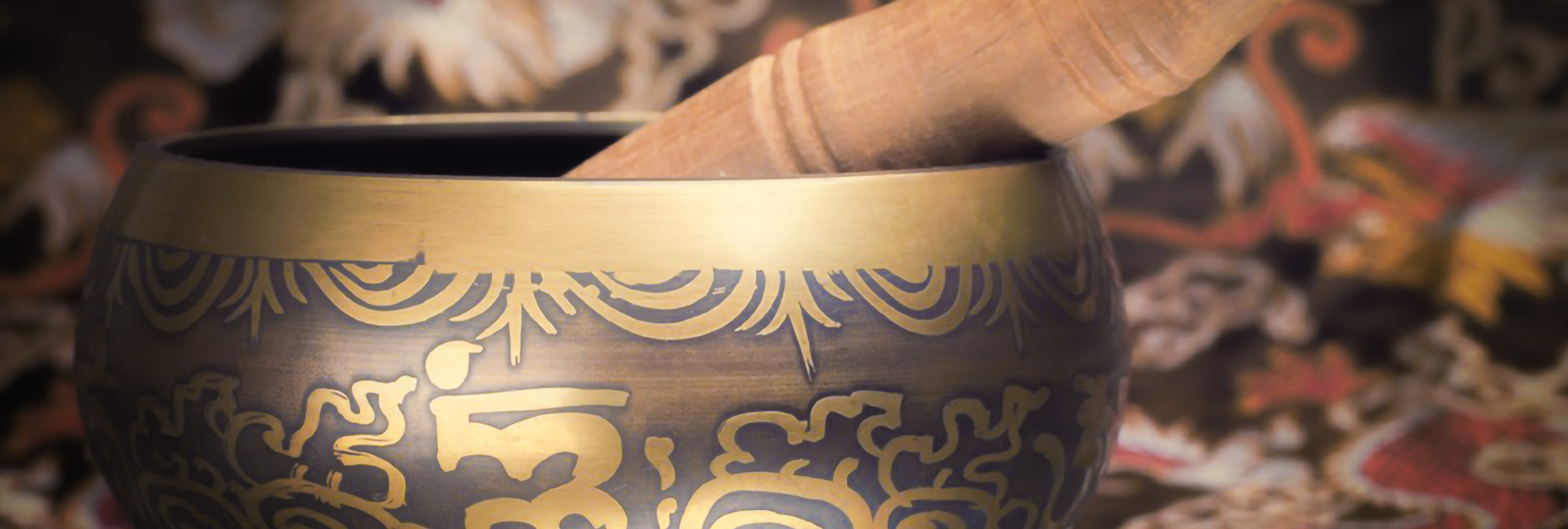
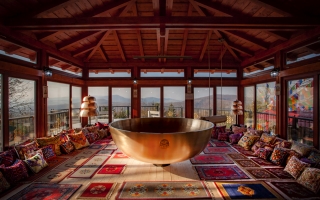
Tibetan sound bowl

SAMSARA
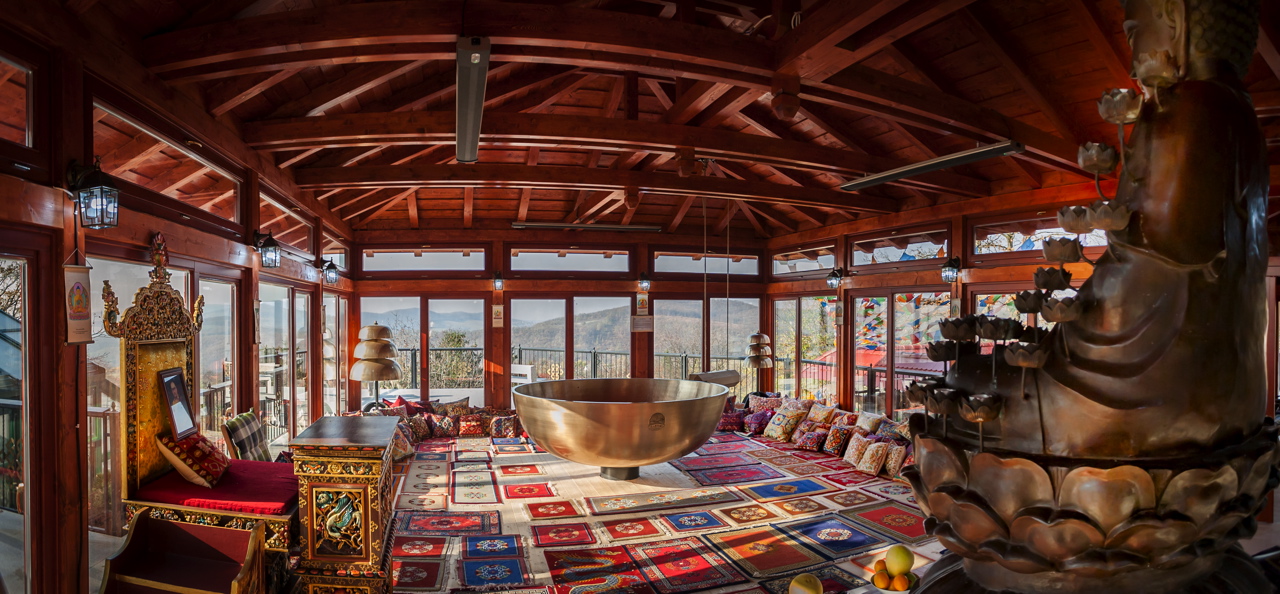
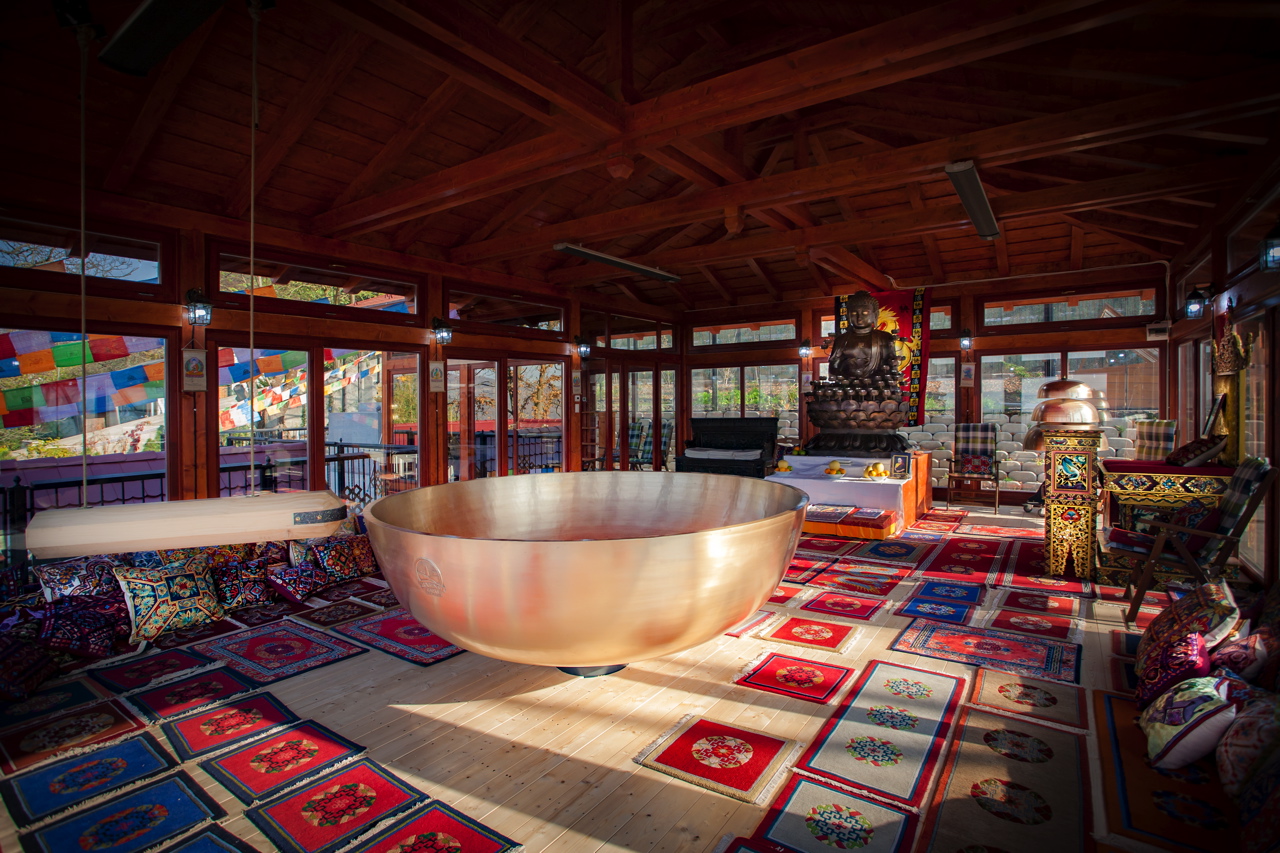
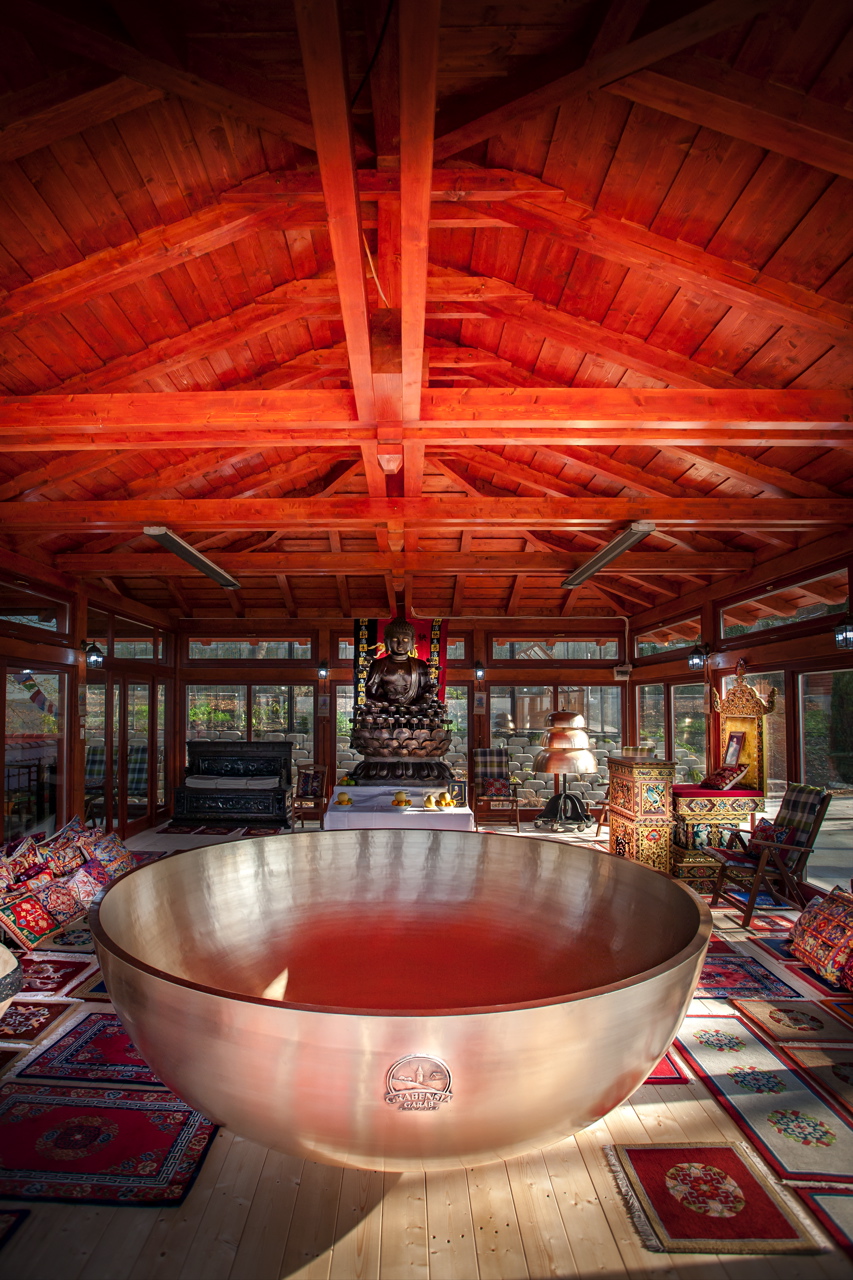
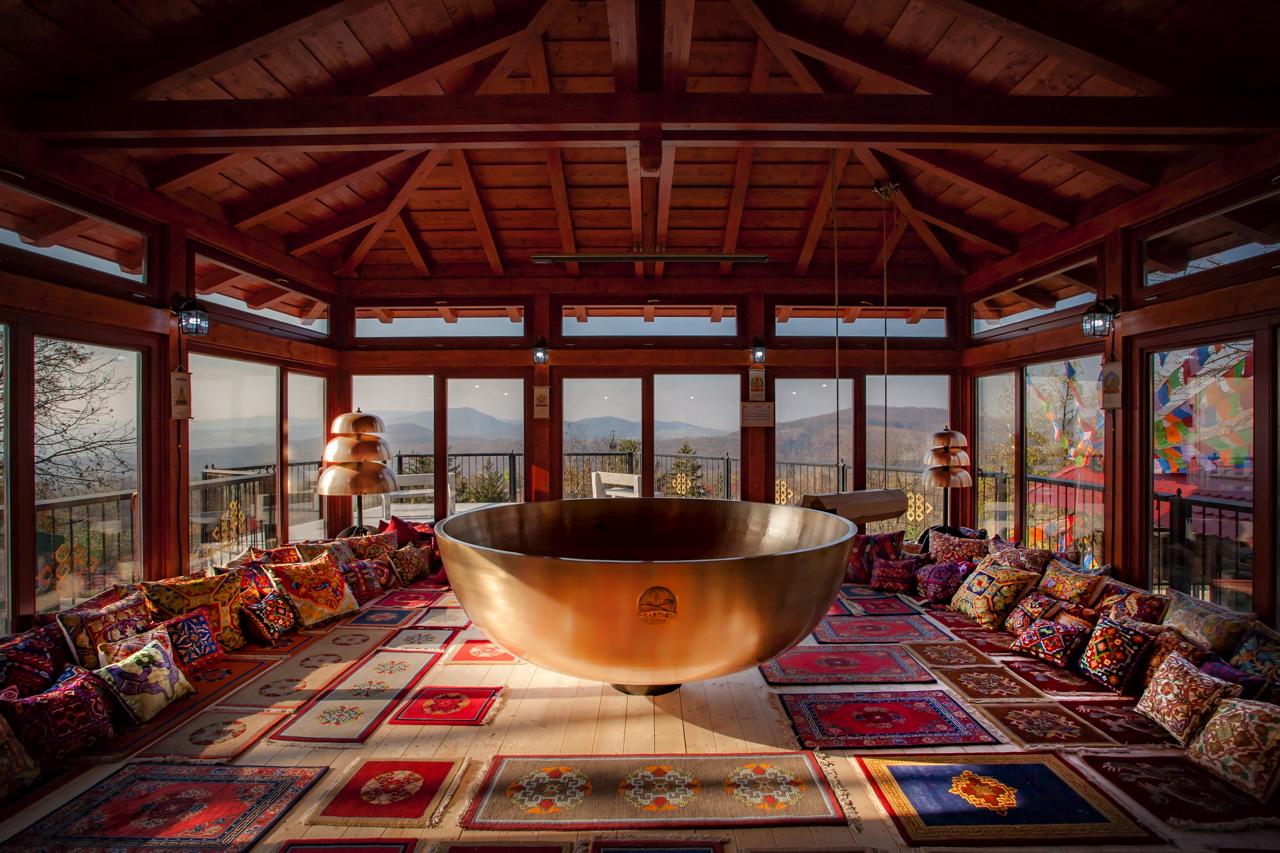
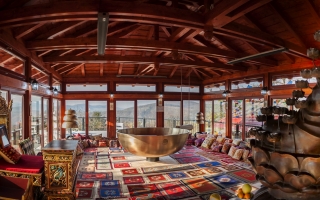
Birth of the greatest sound bowl of the world

In the ‘70es the world got to know the Tibetan bowl as novelty, as a music instrument, the “Singing Bowl”. However, its origin dates back to much earlier times, and it is not only a music instrument…

In China, bronze bowls of standard 8-50 cm diameter were documented during the Shang period (16-11. century B.C.), which were used to measure grain, and because of their acoustic characteristics, to play music.

The bell, well known in the Western world, is a similar sound device (suspended the other way round); in China bells were used already in the 13th century B.C., but the use of great bells only came with the spreading of Buddhism in the 2-7th century A.D.

The acoustic characteristics and resonance of the bowl are the result of their unique materials.

It is mostly made of seven different metals which are linked to the planets.
Gold = Sun, Silver = Moon, Copper = Venus, Iron = Mars, Tin = Jupiter, Mercury = Mercury, Lead = Saturn.

When my father got sick, I could see how Western medicine only looks how cancer devours people. I spent nights at the internet trying to find alternative solutions.

Once I stumbled upon an interesting text: “cancer treatment with Tibetan Bowl”. Acoustic sound therapy with Tibetan Singing Bowl…

As we are living in China, we went through all possibilities in Tibet. I realized that no bowls are produced in Tibet itself... rather in Nepal and Northern India. We traveled to Nepal, I met a specialist making and using bowls.

As we are living in China, we went through all possibilities in Tibet. I realized that no bowls are produced in Tibet itself... rather in Nepal and Northern India. We traveled to Nepal, I met a specialist making and using bowls.

I found many interesting thing at the internet about sound therapy, but it was unbelievable to me, that these small bowls could produce such vibration which has a substantial effect on a human body.

I decided to have this unique great bowl made, which does not exist yet.

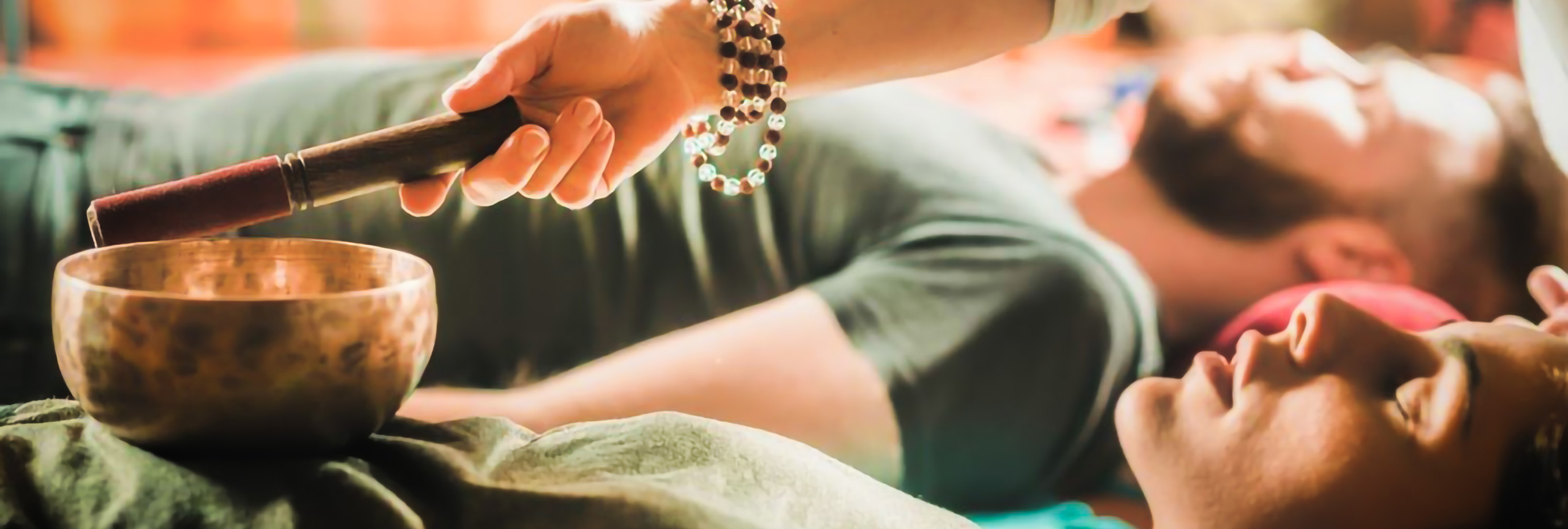
This made it possible to try the acoustic sound wave therapy during the treatment of different illnesses.

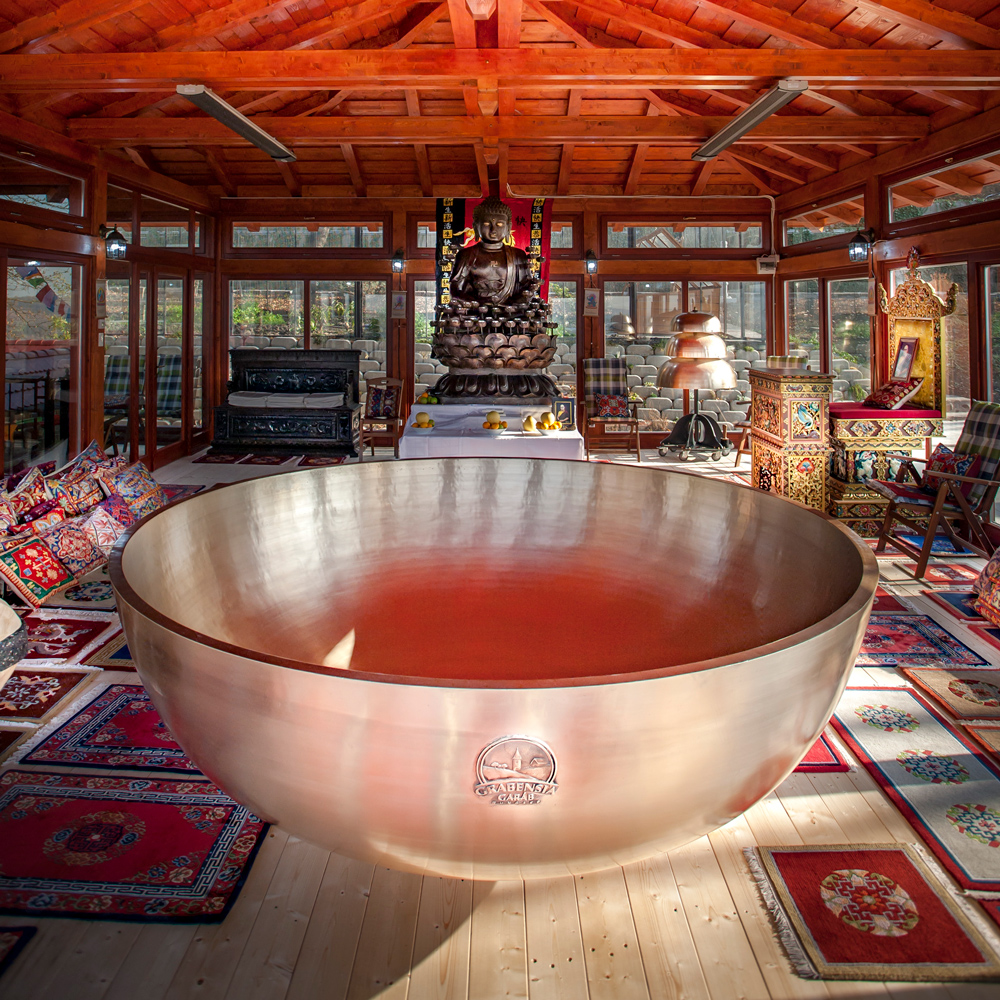
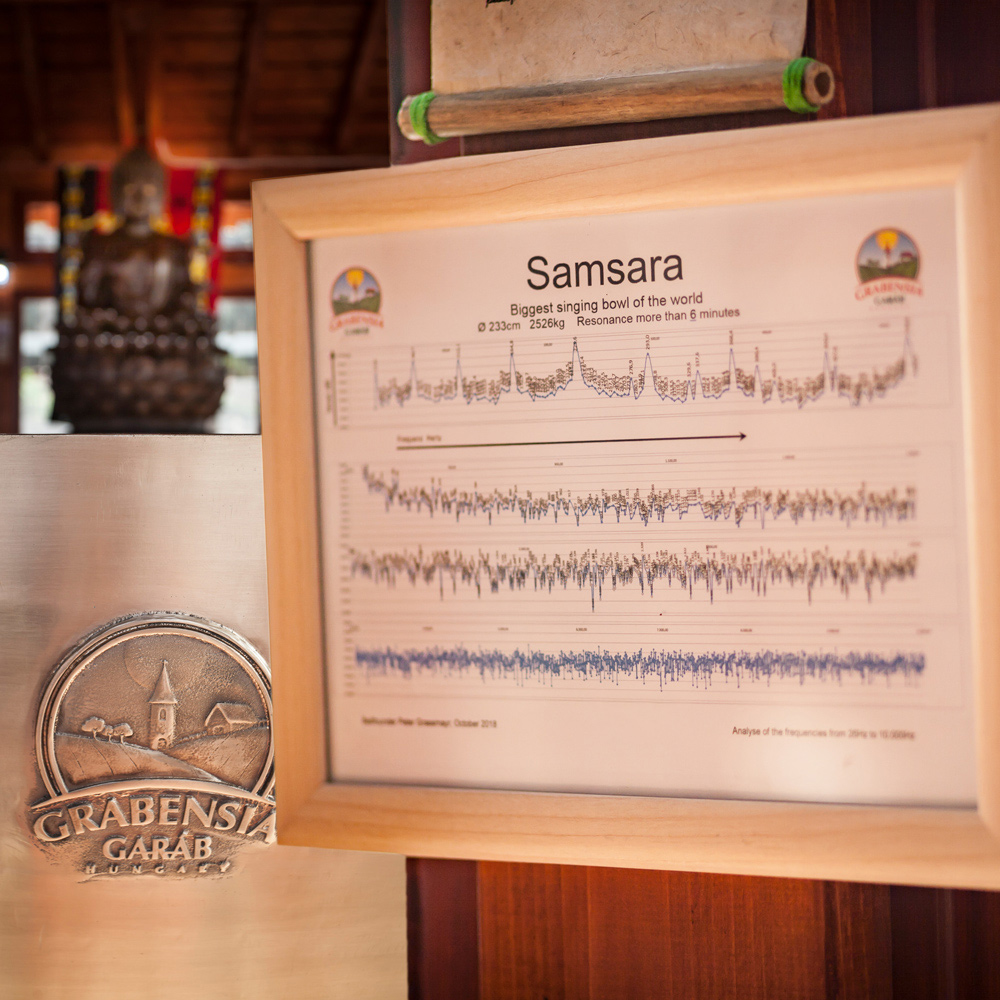
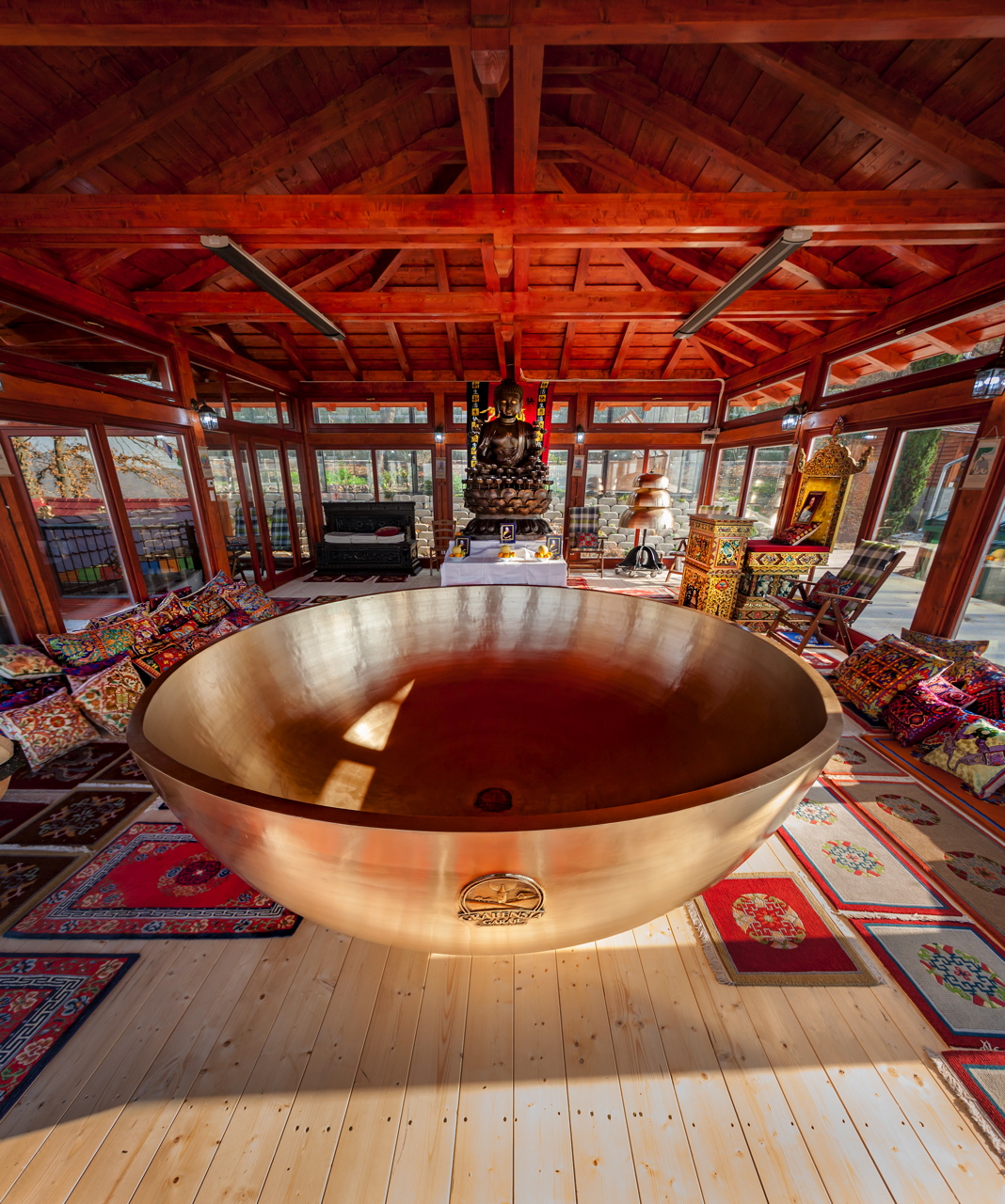
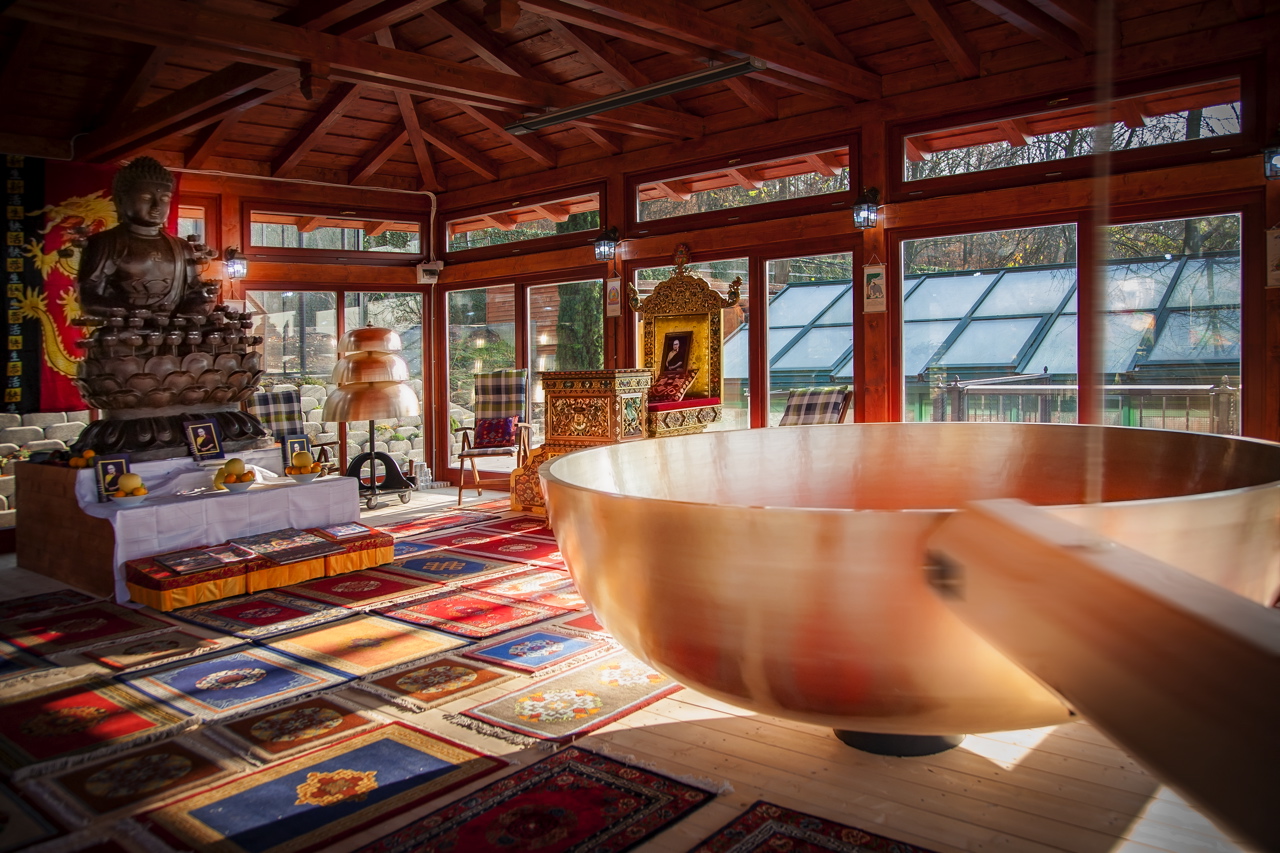
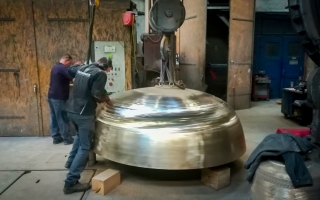
To the summer of 2018 Samsara, the Great Bowl was ready, with the exact composition of metals.

As for the measuring, we used the rules of the “golden ratio”, so the diameter is 233 centimeters (Fibonacci sequence), it weighs 2.5 tons.

There has already been a great bowl of 176 centimeters diameter and a weight of 1.2 tons. This bowl was studied thoroughly examining more than 50 physiological functions. The condition of the patient before and after the treatment shows very interesting values: almost all examined functions nears the optimal. The cells of the body are somehow so coded that they strive to achieve an optimal, balanced state. Illness is, when the cells and the body is out of balance.

It is clear from studies so far, that after sound vibration treatments functions converge significantly to the optimal values.

Our aim at Garáb is to use the great singing bowl to sound therapy and to find alternative cure to different illnesses.

„If we accept that sound is vibration and we know that vibration touches every part of our physical being, then we understand that sound is heard not only through our ears but through every cell in our bodies. One reason sound heals on a physical level is because it so deeply touches and transforms us on the emotional and spiritual planes. Sound can redress imbalances on every level of physiologic functioning and can play a positive role in the treatment of virtually any medical disorder.”
Dr. Mitchell Gaynor, director of Medical Oncology and Integrative Medicine at the Cornell Cancer Prevention Center in NYC

Sound healing is fast becoming internationally respected as an effective modality for treating many physical, emotional and spiritual conditions. Modern medicine can now measure and thus confirm the use of sound as a means to heal. Sound healing has been effective in relieving pain and in the treatment of stress-related afflictions such as chronic fatigue syndrome, fibromyalgia, insomnia, pain and depression.

Mainstream medical teaching facilities such as Duke University and the University of North Carolina have added programs that link body, mind, and spirit to the treatment of cancer. Cancer prevention centers are utilizing sound as a vital part of the healing process for patients with astounding results. Dr. Mitchell Gaynor has been using sound, including Tibetan / Himalayan Singing Bowls, crystal bowls and chanting in work with cancer patients for many years. The medical director of the Deepak Chopra Center in California, Dr. David Simon, found that both chanting and the sound from Tibetan / Himalayan Bowls are chemically metabolized into ‘endogenous opiates’, which act on the body as internal painkillers and healing agents.

Attractions

The Cserhát hills and its area

Hollókő
the living village

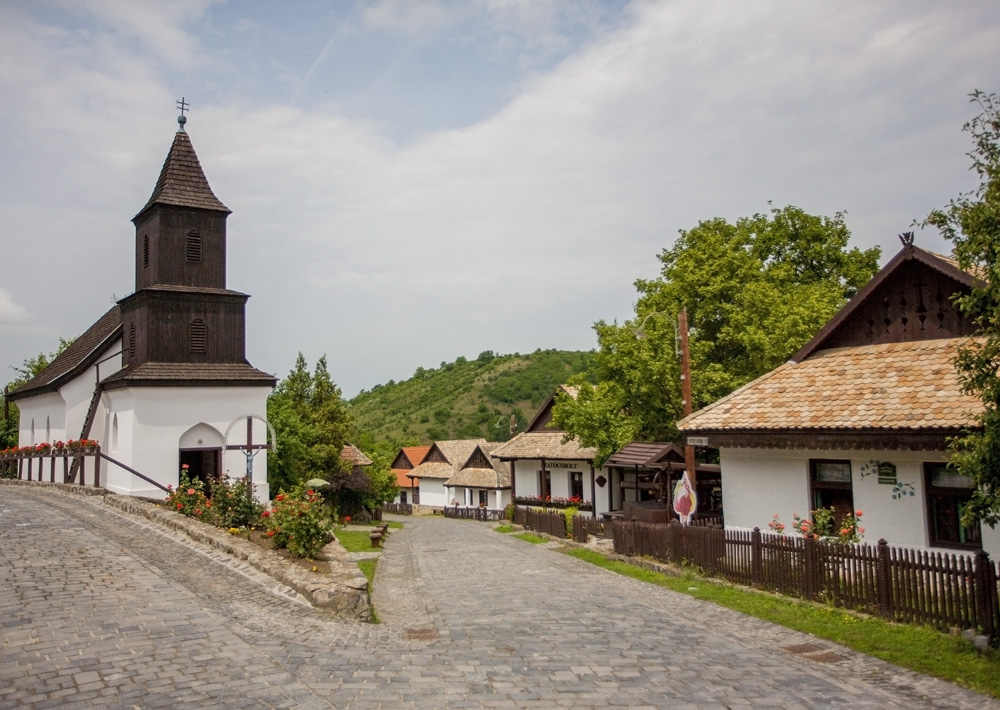
Real and honest, so true. This is the best description of the little unique World Heritage village of 380 souls in the Cserhát, which is best known for its more than hundred years old houses, but is nothing like a skansen or museum, it is livelier as many a small town. It protects its customs and dignity so that it is not “like that” but “is”.

Castle of Hollókő

Driving near Hollókő you can see the 13th century castle from afar looming over the village and watching over the peace of the land. Its history is so turbulent and legendary at the same time, it could be the place of a fairy tale.

Ipolytarnóc
Prehistoric remains

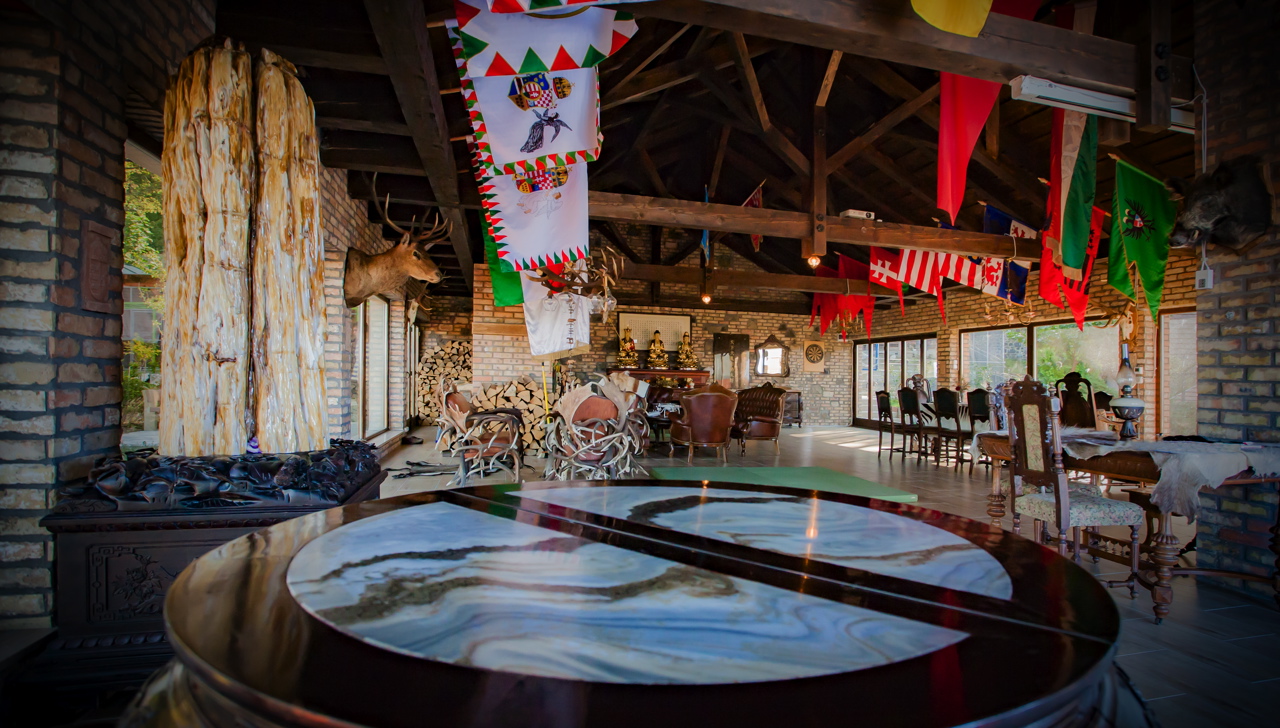
The name of Ipolytarnóc was made famous first by the giant fossilized tree, 8 meters at its base and almost 10 meters long. We can only see three bigger pieces from the trunk of the late giant fir tree in its original position, the most of it has been scattered away. The thicker trunk parts are conserved in the vault of the cellar, the thinner part pertaining to the upper parts of the tree are in the great hall.

Such an ancient relic keeps many secrets in itself, it only has to be discovered. What we can certainly say, based on the several fossilized tree remains: a fossilized forest is hidden under the volcanic formations.

Footprints of prehistoric beasts

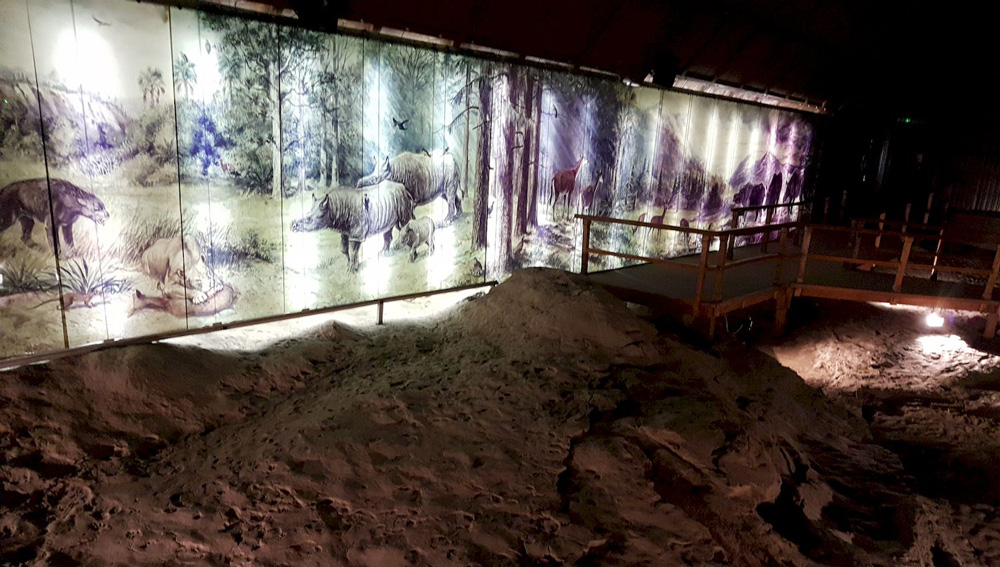
In the middle section of the geologic educational path pops up the sandstone patterned with footprints, on which unique snapshots remained, the footprints of prehistoric animals. Until 2014 three thousand footprints of eleven vertebrate species could be identified on almost two thousand square meters, and there are other prints in the mud next to the footprints of prehistoric rhinoceros, deer roes, different kinds of deer, carnivorous animals and birds.

Mátraverebély-Szentkút
Place of pilgrimage

Szentkút National Shrine lies hardly 30 minutes from Hollókő. Many things to be discovered awaits visitors at the National Shrine.

Mátraverebély-Szentkút is located on a multinational area next to the Slovakian-Hungarian border like many other shrines managed by Hungarian Franciscans, which has always been places of meeting and monasteries for different nationalities, and places of preaching on the language of the commons.

According to tradition in 1091–92 Holy King Ladislaus escaped from his enemies and got to the edge of a ravine. Going any further was hopeless, but he made his horse jump, and this made a spring gush forth.

The first miraculous healing could have happened in the 13th century, when the Holy Mother, with the Child on her arm, appeared to a mute shepherd from Verebély, and ordered him to dig in the ground and drink from the water gushing forth from the hole. The boy did as he was told, and got back his ability to speak.

CHURCH OF THE ASSUMPTION

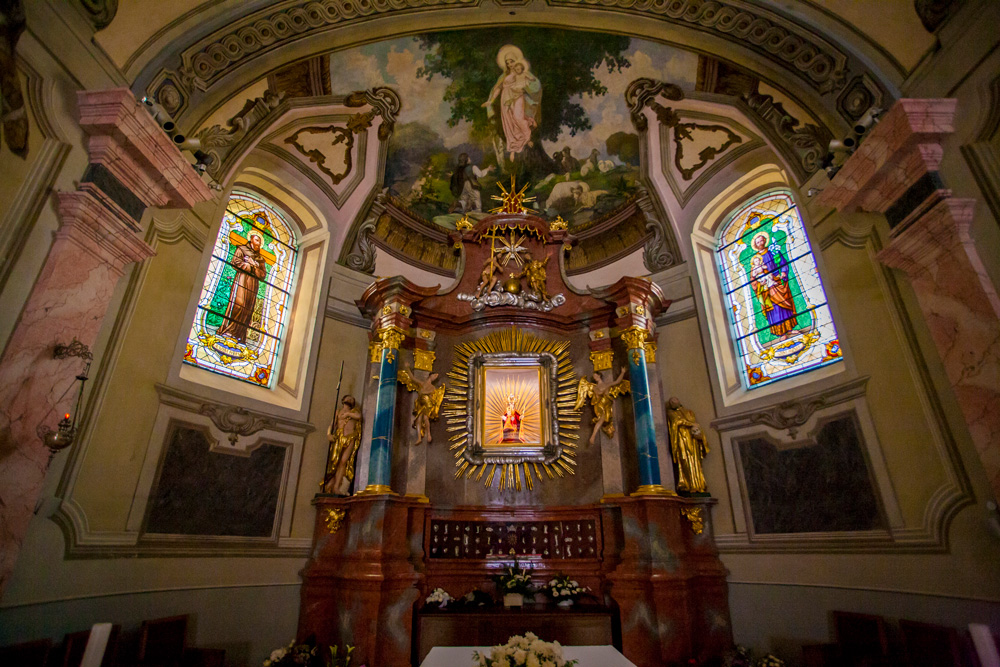
In 1210 a church was built in Mátraverebély because of the multitude of the pilgrims in the village, from where they went in procession to the spring in the valley of Szentkút.

In 1258 this church already had the privilege of kermis.

The place had the kermis privileges given only to the most important shrines from the 1400 years. In 1700 pope Clemens XI has made some miraculous healings investigated and accepted them as real and proven.

HERMIT CAVES

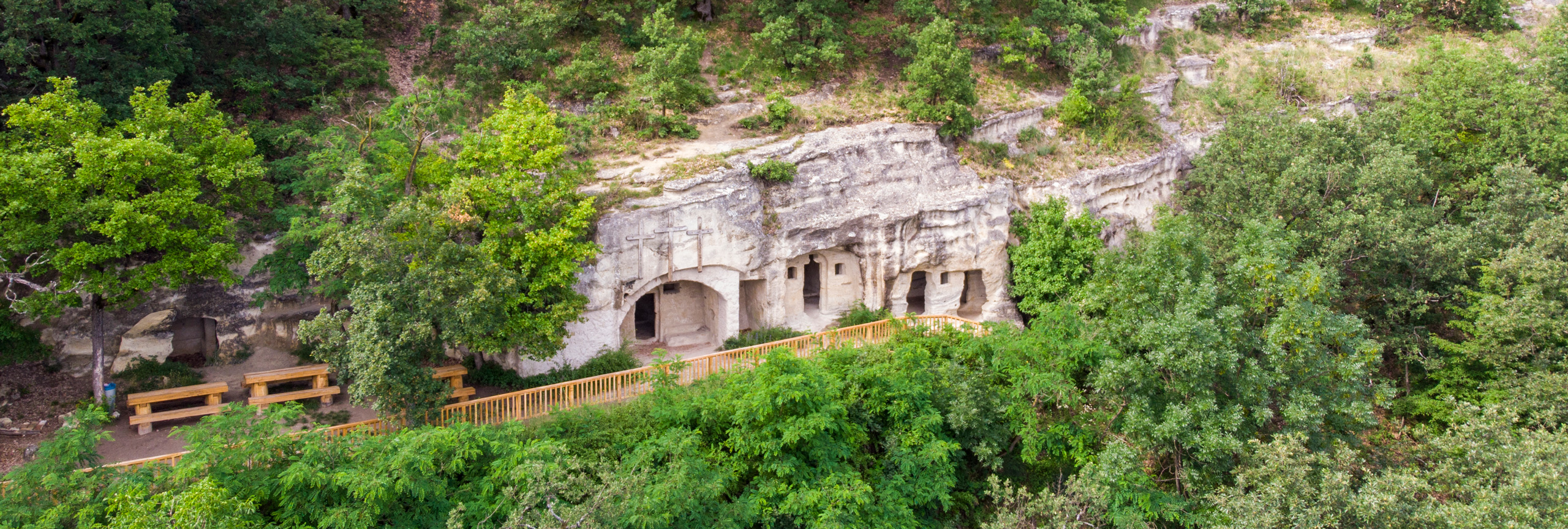
In the caves of Szentkút, over in the side of the hill above the church of today hermits have lived from the 13th century.

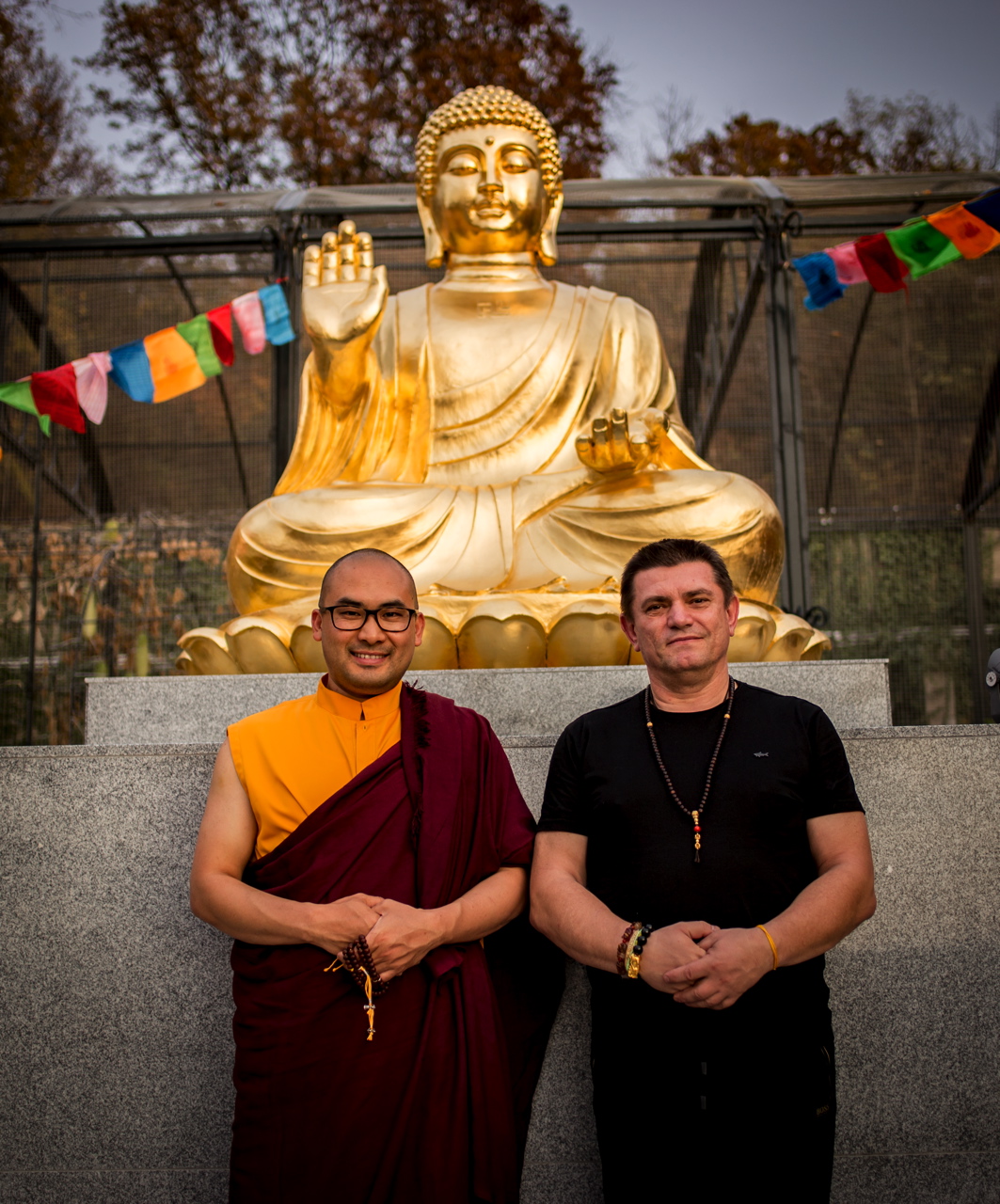
Buddha Park-Tar

SÁNDOR KŐRÖSI CSOMA MEMORIAL PARK

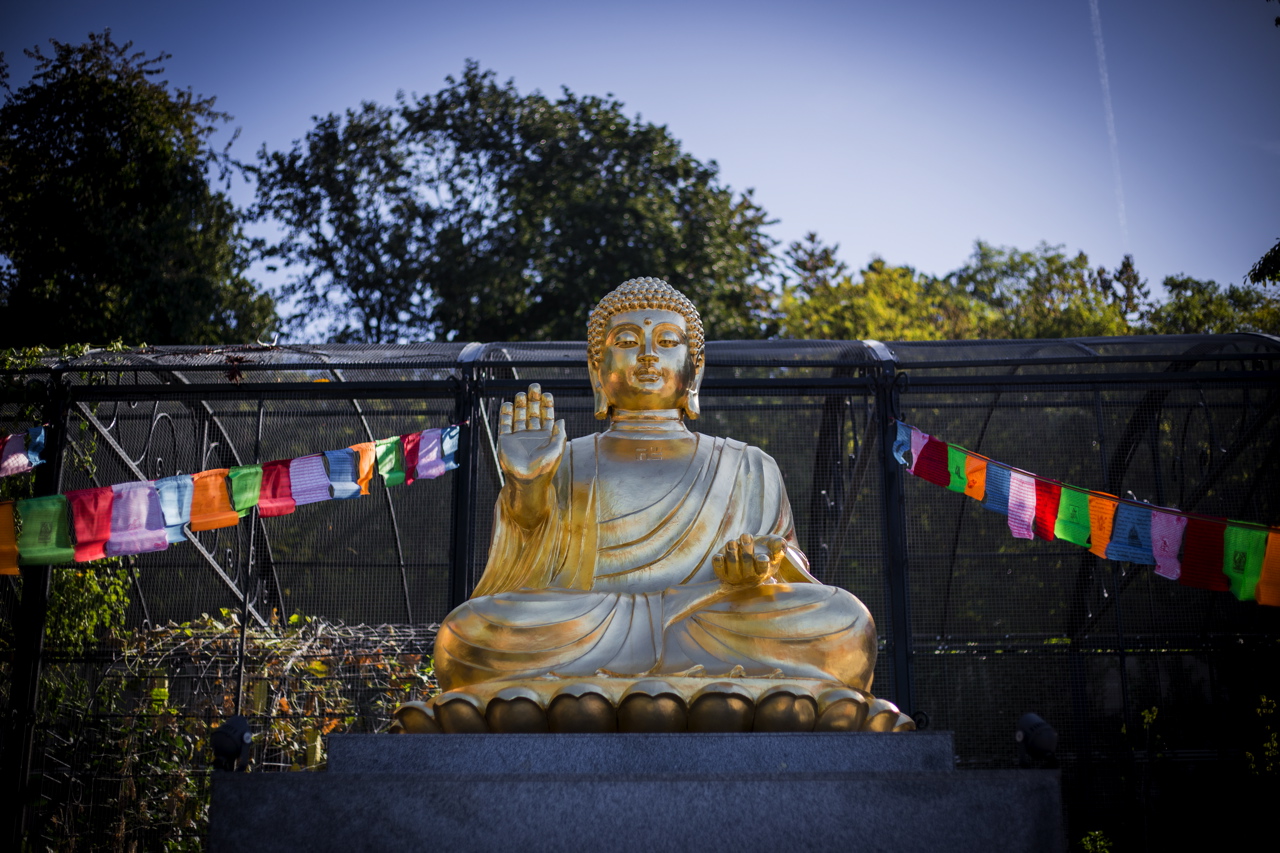
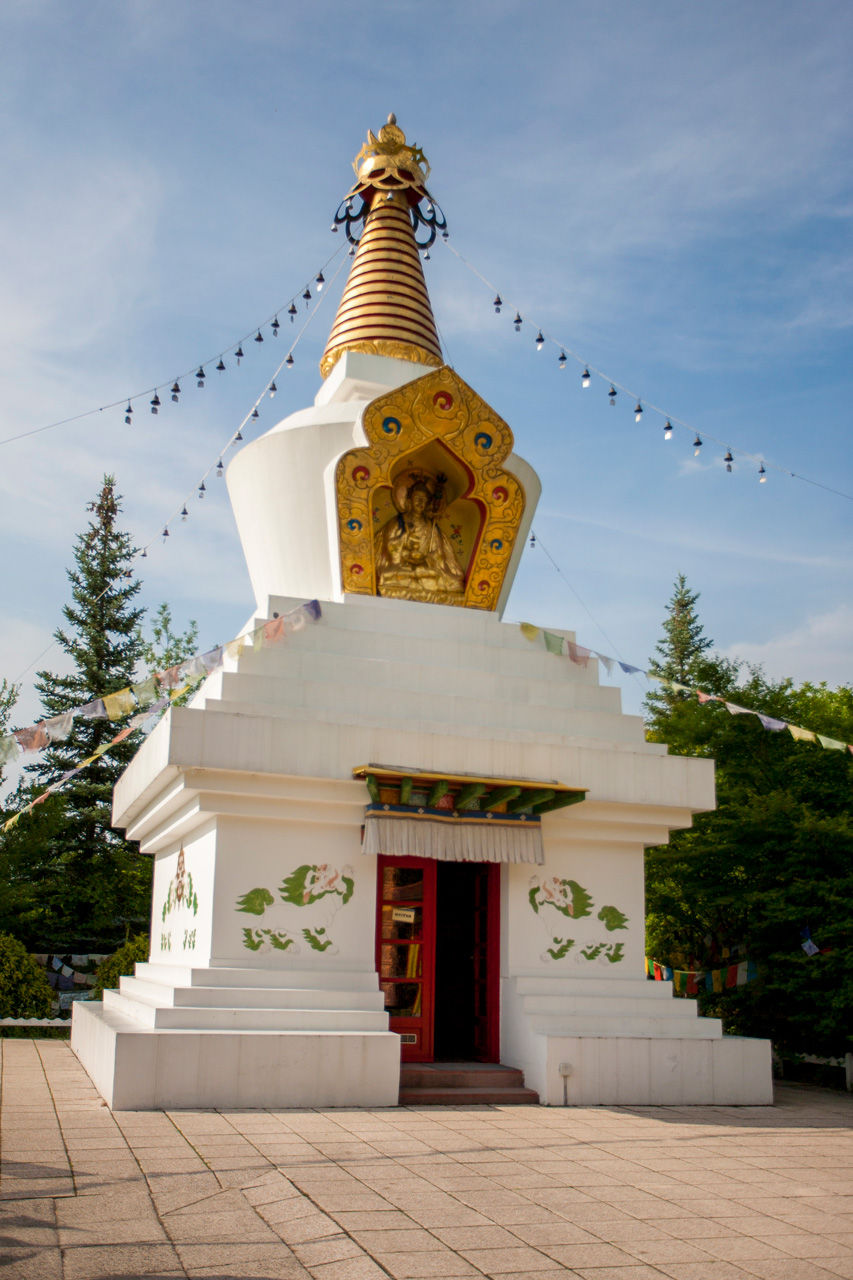
The main attraction of the Memorial Park is a traditional Buddhist funerary memorial, the Sándor Kőrösi Csoma Peace Stupa, which commemorates worthily our great scholar.

It was built in 1992 for the 150th anniversary of his death and His Holiness the Dalai Lama consecrated it in the same year. The Stupa is a holy building, in which relics and holy objects are placed. Near it all pilgrims and visitors find peace and serenity.

Sándor Kőrösi Csoma (1784-1842) searched for the Asian roots of the Hungarians. In 1933 he was made a Bodhisattva in Tibet. He created the first English-Tibetan dictionary.

View the embedded image gallery online at:
/en/grabensia-en/attractions#sigProId8311f68853

Nógrádszakáli
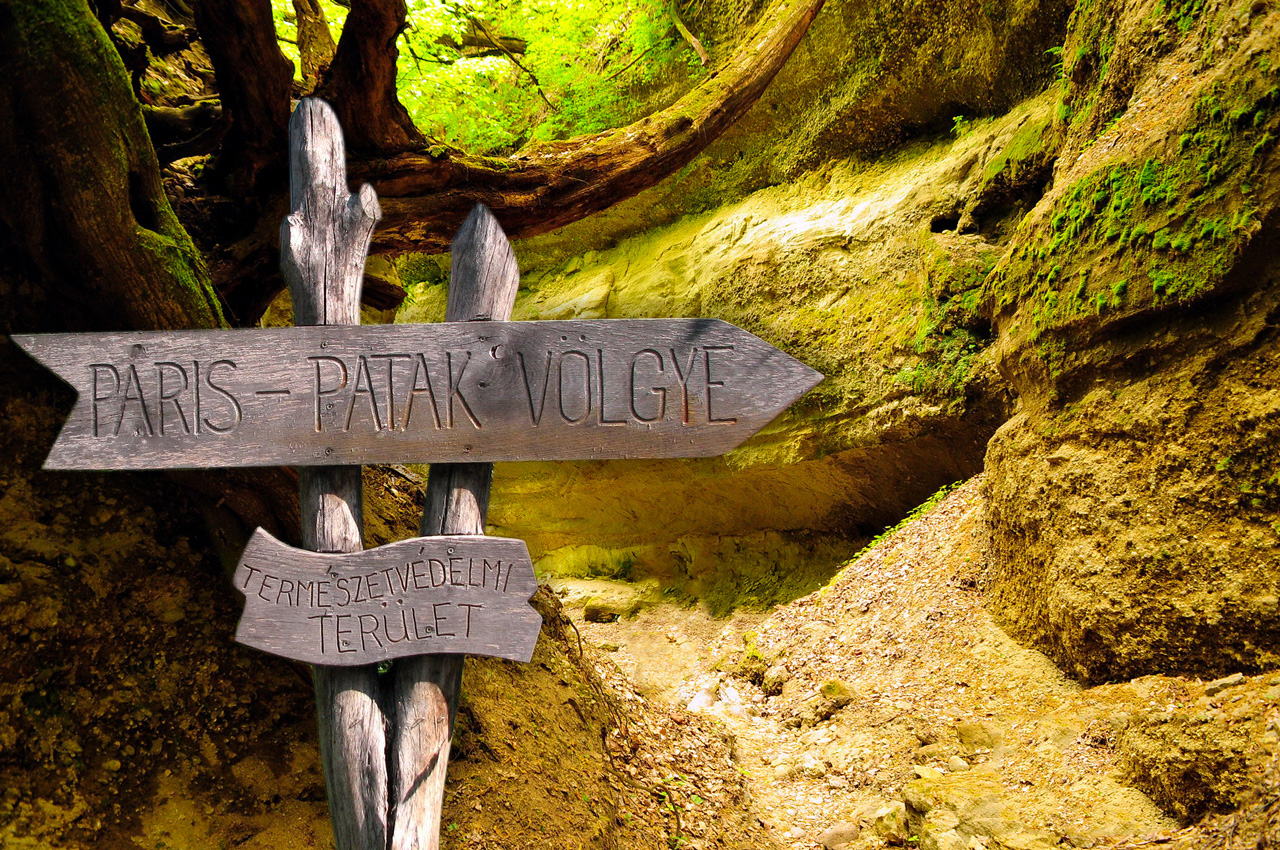
RAVINE OF THE PARIS STREAM

The ravine of the Paris stream is a nature protection area (Nógrádszakáli Palóc Grand Canyon). The ravine is totally dry for the most part of the year. But in wet periods and after the snow melts beautiful waterfalls appear in the 15-20 m deep, almost vertical walls of the ravine.

View the embedded image gallery online at:
/en/grabensia-en/attractions#sigProIdcf1f2075d0

Hungrian castles
Bastions of european christianity

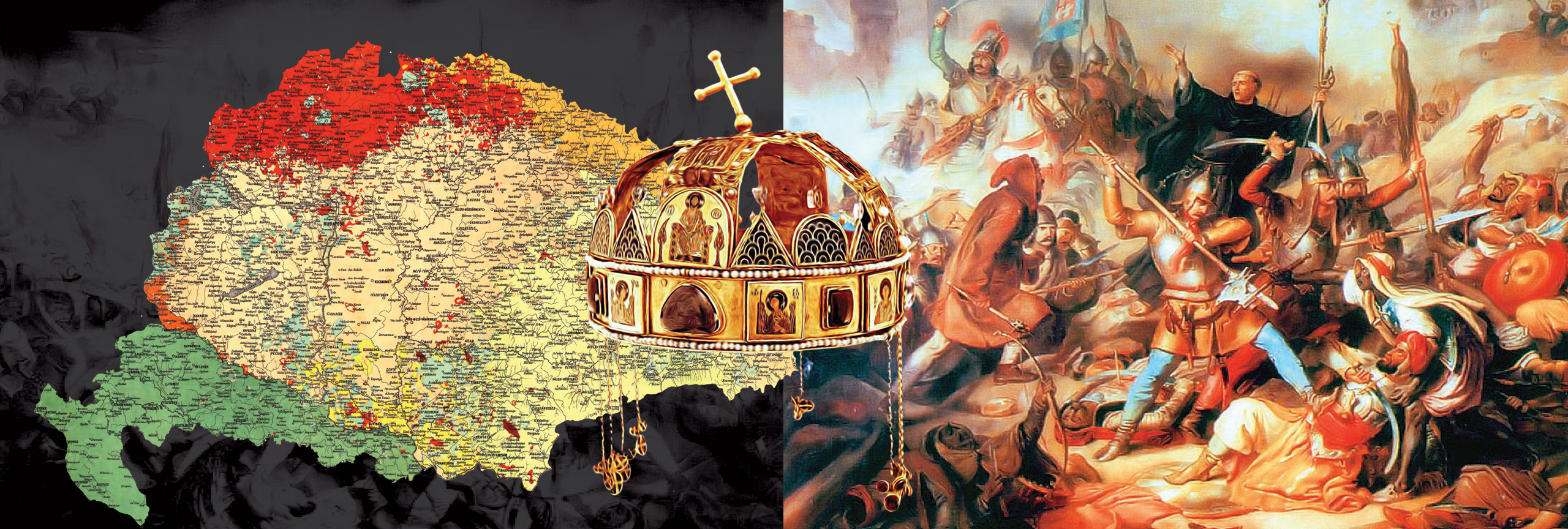
Hungary has been from the time of the Hungarian conquest of the Carpathian Basin (896) the strongest kingdom in Europe; it had the most efficient and strongest army. The kings of the country created a well-developed system of border castles of almost two thousand castles.

Then the Muslim Osman Empire and the greatest army of the world tried to destroy the Christian belief in Europe. Hungary stayed on the way of the Muslim expansion as the strong bastion of Christian Europe. The way led through Hungary to Europe. Already in the 14th century there were constant border clashes with the Turks, and in the 15th century the Hungarian kings led several campaigns through the Balkans repelling the Turks and keeping them at bay. At the beginning of the 16th century Hungary struggled through a severe inner strife and the king on the throne was weak; this led to the lost battle of Mohács in 1526, which started a 150 years long patriotic war.

Hungary did not give in! The land-owning gentry and the border castles fought divided, one by one against the strongest army of the time. Several well-known films were made of heroes of the world. But only a few know what happened in Hungary during these 150 years. If the Osman Empire went through Hungary and conquered the weak and divided Europe of the time, then world history would have another course today...

During the fights in this 150 year period two thirds of these border castles fell, only those on the northern mountains remained intact.

Every siege is an epic history; every one of them could be a Hollywood blockbuster... unfortunately only the border castle ruins make us remember these heroic times. In Europe every people feared the Hungarians since the 5th century, the arrival of the Huns of Attila, so the whole Europe gloated over the 150 years of war with the Turks. We did not receive any help; moreover, the neighboring German Empire captured from the northern territories whatever they could.

At the end of the 17th century with the weakening of the Osman Empire the united European army with German leadership “liberated” Hungary and created the Austro-Hungarian Empire. This liberation led to the destruction of the remaining castles and the dismembering, weakening of Hungary by all possible means.

In the storms of history the Magyars survived, and though many peoples disappeared, they remained alive. As we walk the ruins of our once proud castles, never forget, that the proud Europe should thank them their Christianity.

Buják
CASTLE OF BUJÁK

When the castle was built is not known, maybe sometime near the Mongol invasion. Interesting, that we know of almost none of the castles in Nógrád, when they were built. It is mentioned first in a charter of 1303. In the immediate surroundings of Buják there are eight castles which were built to protect the mining towns.

Somoskő
CASTLE OF SOMOSKŐ

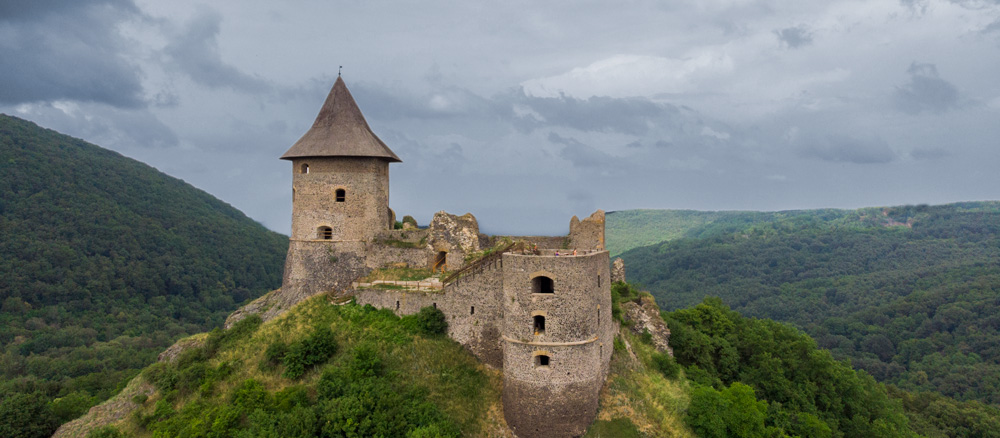
The spectacular castle of Somoskő built in the Middle Ages on a volcanic peak was placed a couple of meters behind the Trianon borders. For decades it was only possible to admire it from the edge of the village, but today through the interoperability of the borders we can visit without difficulties this imposing castle ruin and the geological curiosities also belonging to Slovakia at the side of the mountain, the basalt organs and the rock field.

Drégelypalánk
CASTLE OF DRÉGELY

The castle of Drégely stands in the northern part of the Börzsöny mountains, in a 444 meters high volcanic stone peak among the green mountains.

Sály
LATORVÁR (“CASTLE OF MALEFACTORS”)

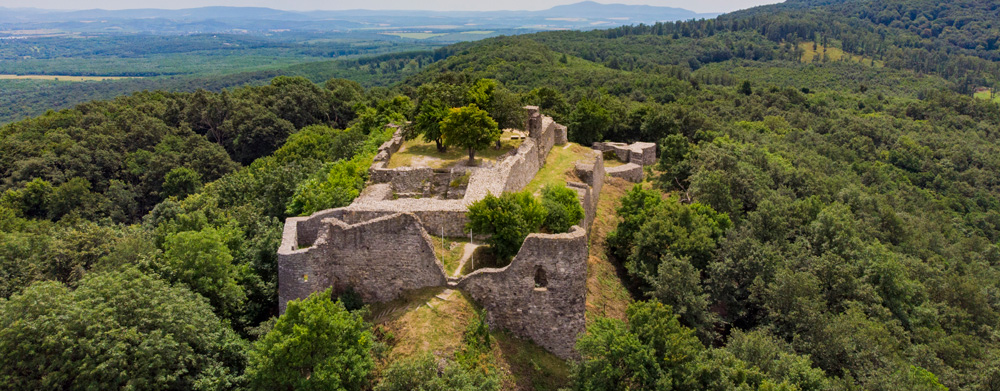
The construction of the Latorvár is dated through the ceramic findings to the Árpád-era, the end of the 12th century or the beginning of the 13rd century.

CASTLE OF SZÉCSÉNY

Szécsény
FORGÁCH-CASTLE

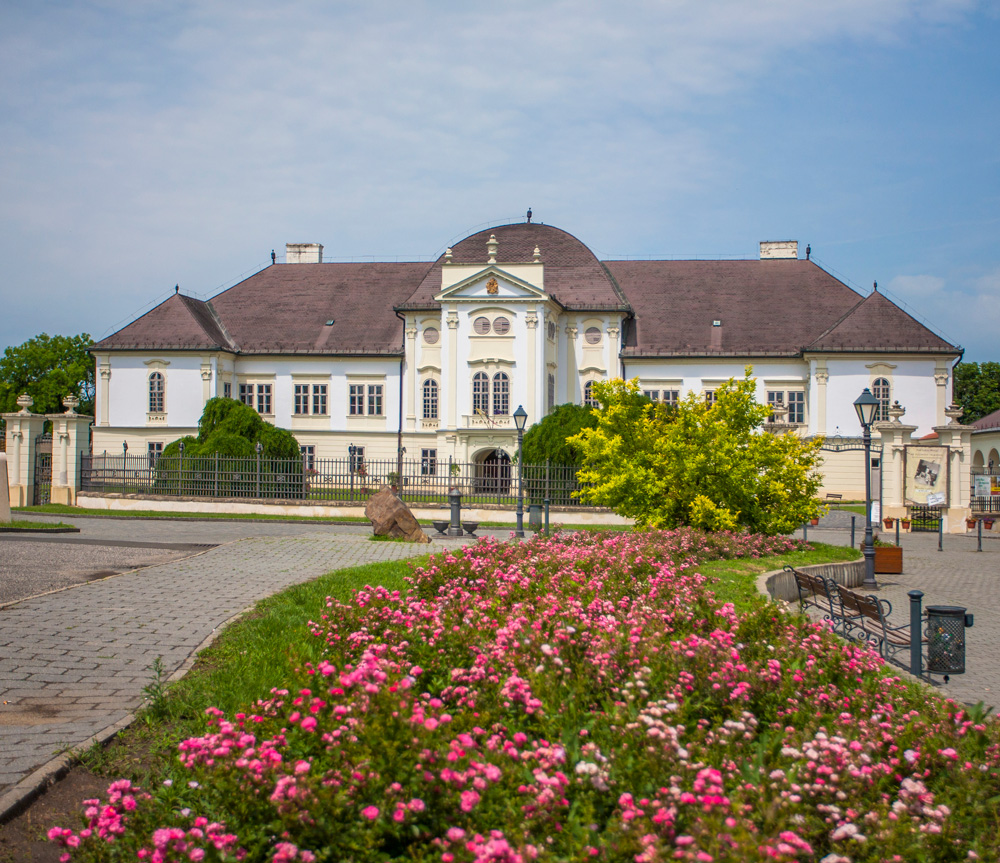
This castle is a valuable relic of provincial Hungarian baroque architecture. A forerunner of the building, the castle from the Middle Ages stood already in 1456. The baroque castle of today was built by the family Forgách around 1753-1763.

Boldogkőváralja

The castle of Boldogkő is a castle from the Middle Ages built on a rocky peak on the eastern side of the valley of the Hernád river, immediately next to the village Boldogkőváralja. The Bodókő-hill on which the castle stands, made from andesite tufa from the Miocene age, belongs to the Zemplén Nature Protection Area. The beauty of the surroundings and the relatively good condition of the castle makes it a popular objective; it is also a station of the National Blue Trail.

Salgóbánya
CASTLE OF SALGÓ

Near Salgótarján the proud castle of Salgó crowns a high, rocky peak of the Medves-plateau. The ruins of the castle built on a steep volcanic cone are seen from afar, they can be reached through a light tracking route. On the top of the peak of 625 meters we can enjoy a breathtaking full panorama of the neighboring mountains.

Hasznos
CASTLE OF HASZNOS

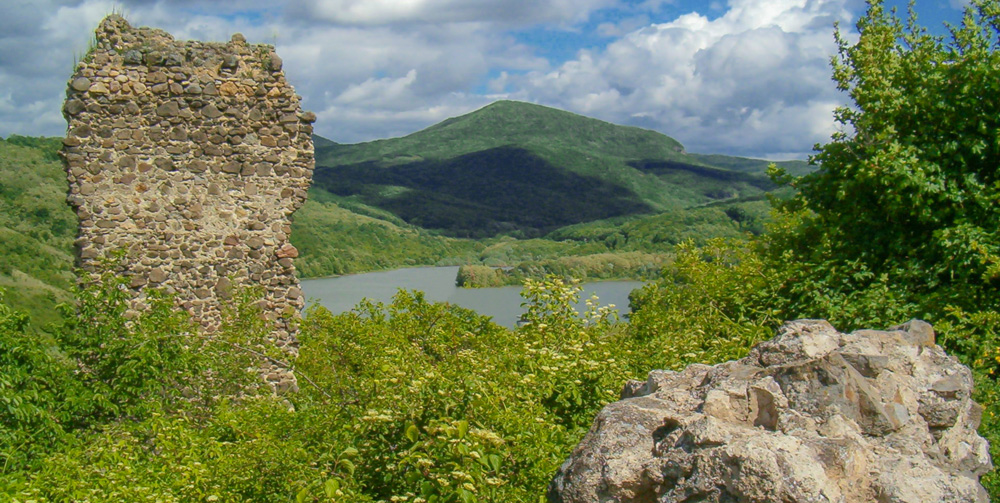
The ruins of the castle of Hasznos, or otherwise, the castle of Cserter are located at an unbelievable place, at the top of a steep cone above a water reservoir with splendid view of the mountains of the Mátra.

Szanda
CASTLE OF SZANDA

At the top of the 529 meters high peak of the Cserhát lie the ruins of Szandavár. The castle of Szanda was rich, many lands, properties and villages belonged to it. Its golden age was in the 15th century, that time Szanda had the rank of a town.
Wang Zhaojun

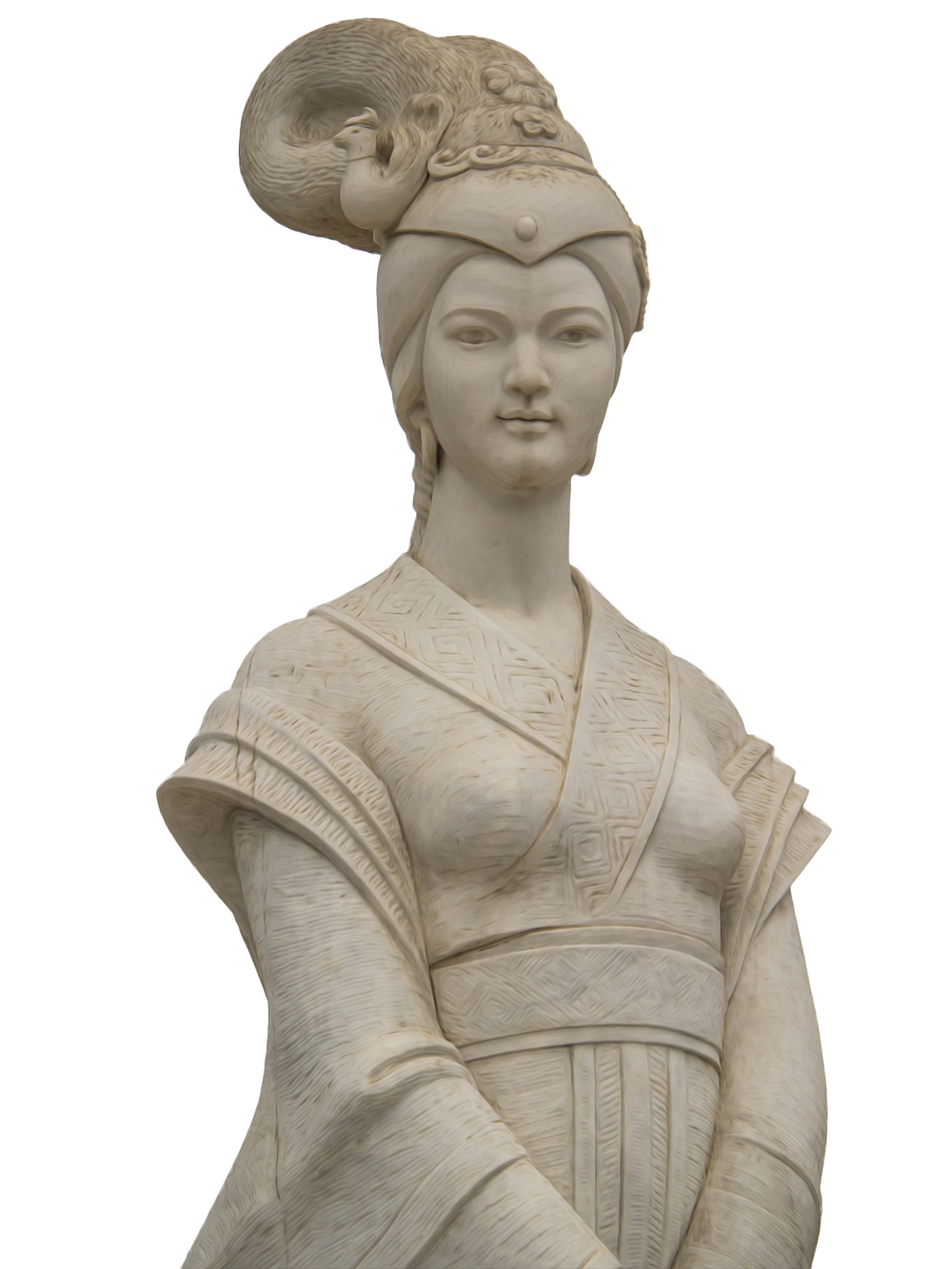
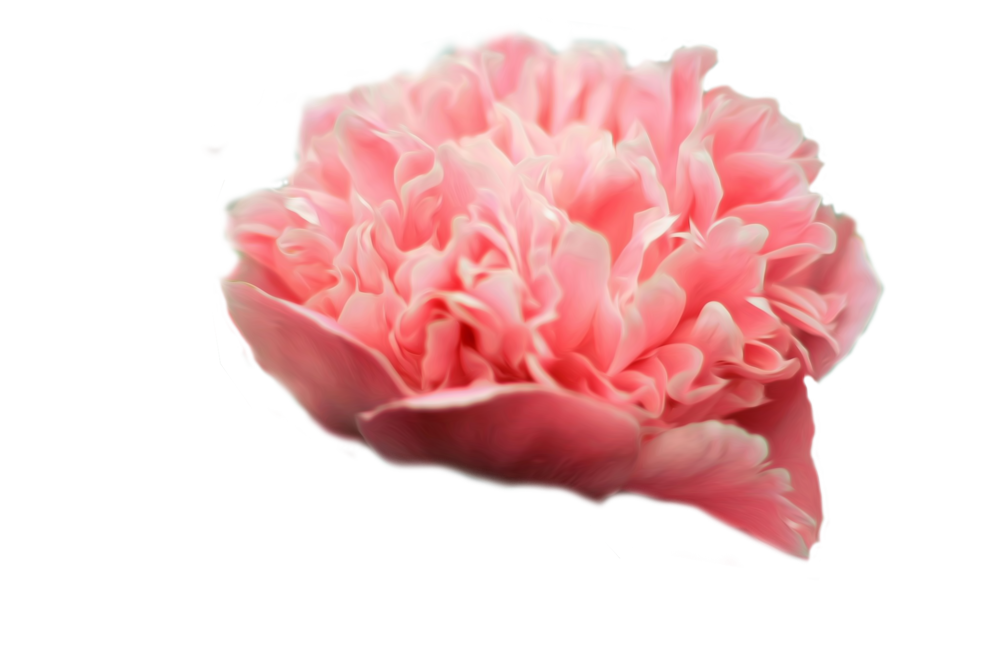
GODDESS OF THE PEONY

In China the peony is symbol for nobility, elegant beauty and wealth. We believe that good and noble deeds receive their reward and bad deeds their punishment. Zhaojun saved the lives of many thousand people by connecting the fate of two powerful nations through her personality. According to the Chinese, the soul of Zhaojun lives on as the Goddess of the Peony among us.

The Huns have always been determining Chinese history. Some writings profess that the first Chinese dynasty, the Xia (approximately 2,400-1,600 B.C.E.) was a Hunnic dynasty. Other sources assert that the Huns are descendants of the Xia dynasty.

During the rule of the Xia dynasty happened a great, cataclysmic flood lasting for years (approximately 1920 B.C.E.), which was restrained by Yu the Great. For a long time not even the existence of the Xia dynasty was proven, the remains of the flood and artefacts from the Xia period were found about ten years ago. So the mythology of the Xia dynasty is real.

The Huns are documented significantly during the period of the Han dynasty (206 B.C.E. – 220 AD). Pictured as nomadic peoples of the steppe they are seen undefeatable through their unique way of fighting, writing their history with blood and leaving heaps of dead behind... All right, our ancestors were fighters, but they also had a well-organized society and cities, they were a conquering and not a wandering steppe people. The Chinese government did not let Hunnic towns to be excavated for a long time, then it was resolved around the millennium and today more of the can be visited. Time to rectify history.

The great victory of Emperor Wu over the Huns is often recounted... but there are only a few words about the fact, how many Hunnic warriors fought in this glorious army of Han, from the divided Hunnic Empire... The Huns practically defeated themselves.

There was often inner strife between the Huns for the position of “ChanYu” (First After God).The Han Empire did everything for peace with the Huns, which was achieved through marriages and gifts. Hunnic warlords fought between themselves, often with Han aid. According to historic accounts mixed Hun-Han marriages were frequent not only among rulers but also among military leaders and high officials.

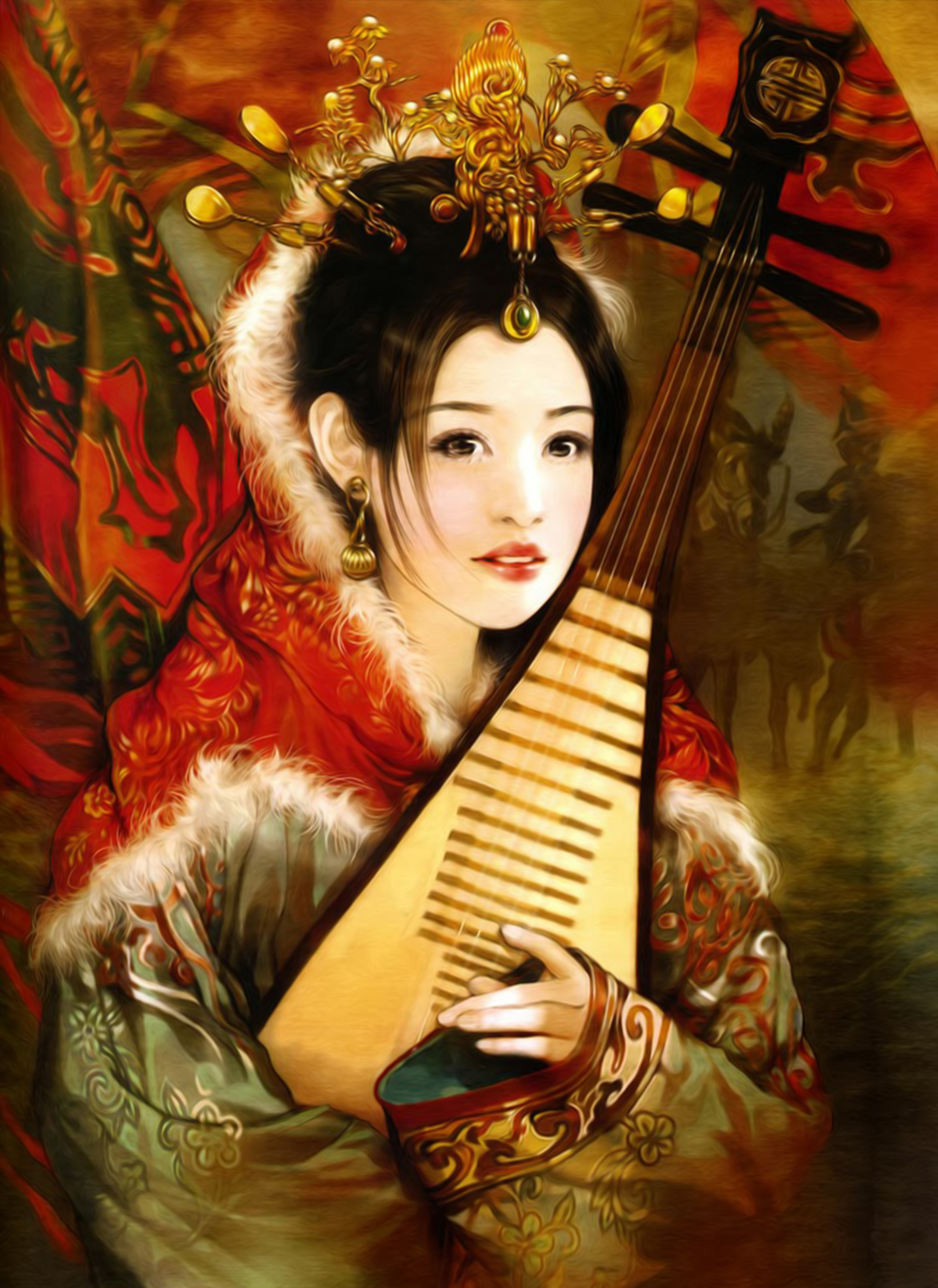
Wang Zhaojun (Wang Qiang) was born in 50 B.C.E. Her education was taken very seriously. She mastered music, Chinese chess, painting and calligraphy in such degree that in 36 B.C.E she was sent to the imperial court. The singular beauty of Zhaojun was coupled with a brilliant mind and a pronounced political talent, which made her one of the most important historical personages in Chinese history. (These days in China a fifty-part series show the life of Zhaojun...)

In the age of Zhaojun the emperor did not personally see all the ladies arriving in his harem, the court painter painted pictures of them and the emperor chose based on these paintings, who should come into his presence. But the court painter, Mao Yanshou painted the ladies according to the amount of money paid to him. Zhaojun cleverly did not pay him anything and did not get into this closed cage, but remained in the fringes of the harem.

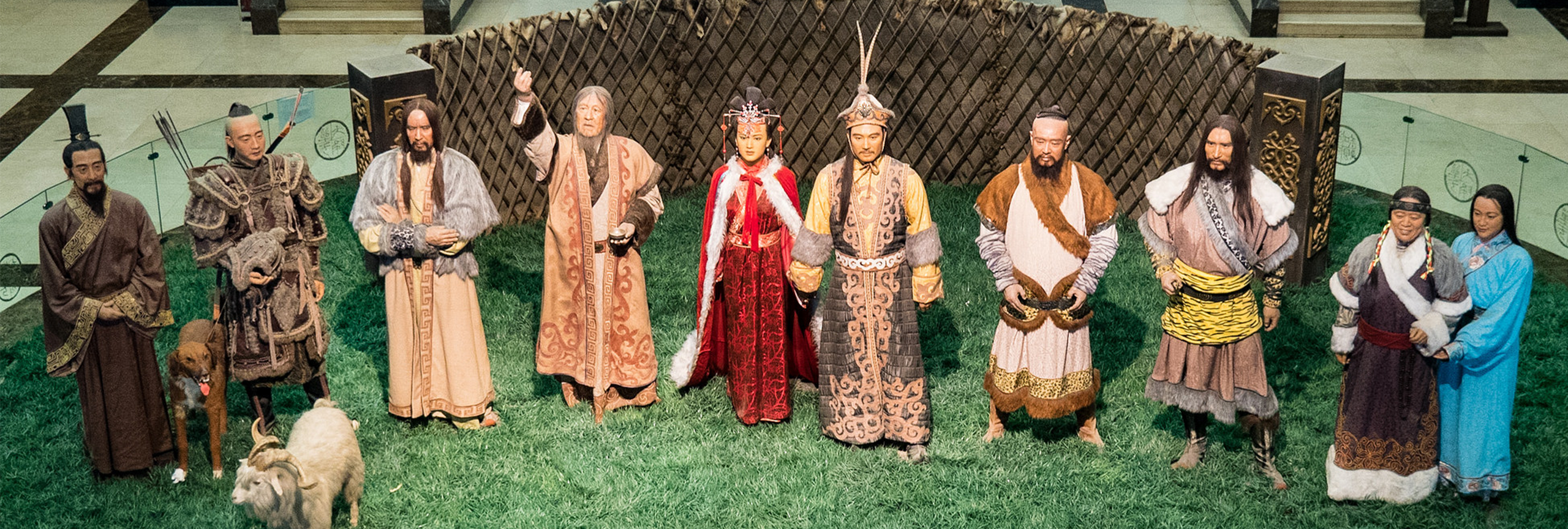
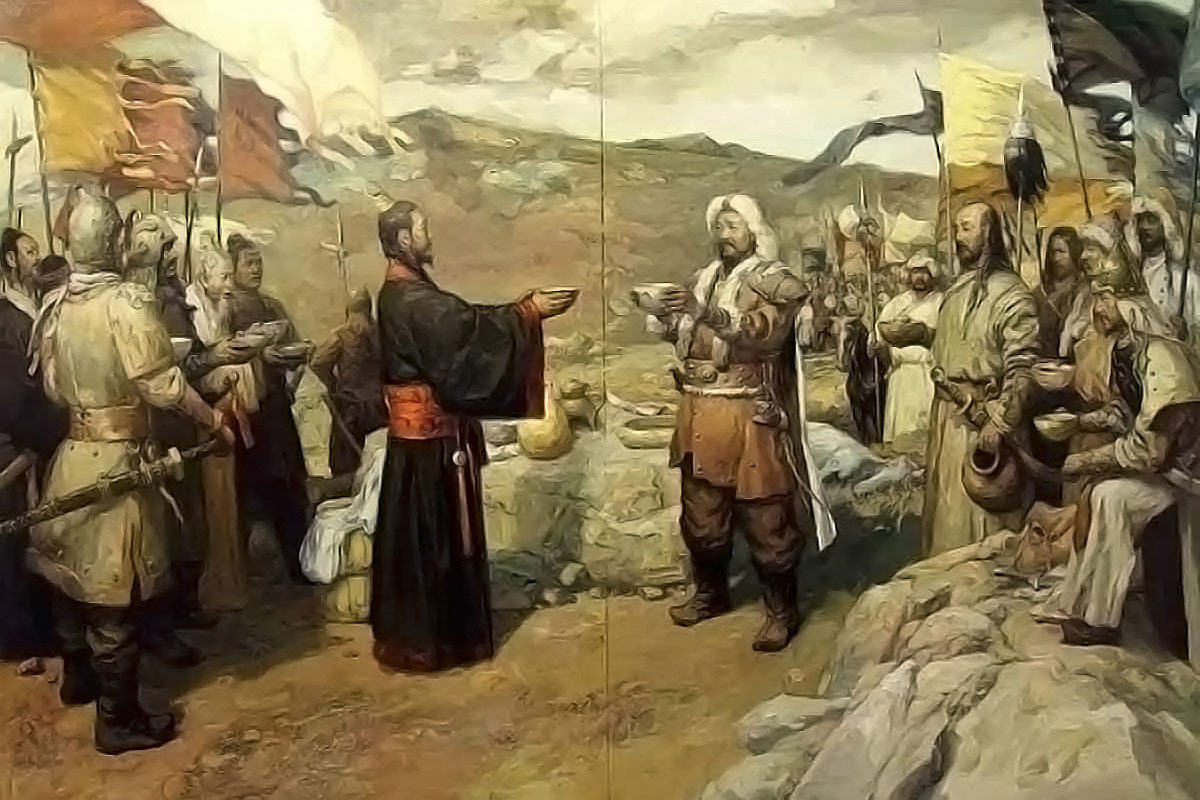
In 33 B.C.E, when the Hunnic Empire was divided to a southern and northern part and these parts fought each other, the ruler of the southern empire, Hu Hanye Chanyu arrived to the emperor of the Han empire and asked for the hand of his daughter and the renewal of their alliance. Emperor Yuan thought to look for a “gift” for the Chanyu outside the harem instead of giving his daughter. But Zhaojun alone presented herself voluntarily!

After setting the date for the wedding the emperor saw Zhaojun for the first time and did everything to reverse his promise. But the agreement has already been concluded. The Chanyu was not only delighted but fell in love, and the emperor could do nothing but have the painter executed in his anger.

Zhaojun strove all her life for the unity and peace of the two empires. Thanks to her brilliant diplomatic skills peace reigned for 60 years, saving many lives. Peoples of the southern Hunnic and the Han empires mingled. Most of the Huns settled in the territories of the provinces of Jiangsu, Anhui, Zhejiang, Jiangxi and Fujian of today. The northern Huns were defeated and wandered westwards.

The Magyars hold themselves descendants of the Huns, but regarding the historic background the Han nation also included the Huns.

At the University of Sciences of Szeged a group led by Sándor Raskó examined the Hungarian DNA as part of the Human Genom Project. DNA probes from graves from the time of the Hungarian conquest of the Carpathian Basin have shown an Asian origin in 36%. Today the DNA of Hungarians show Asian markers only in 16%. After two thousand years our Asian background starts to disappear.

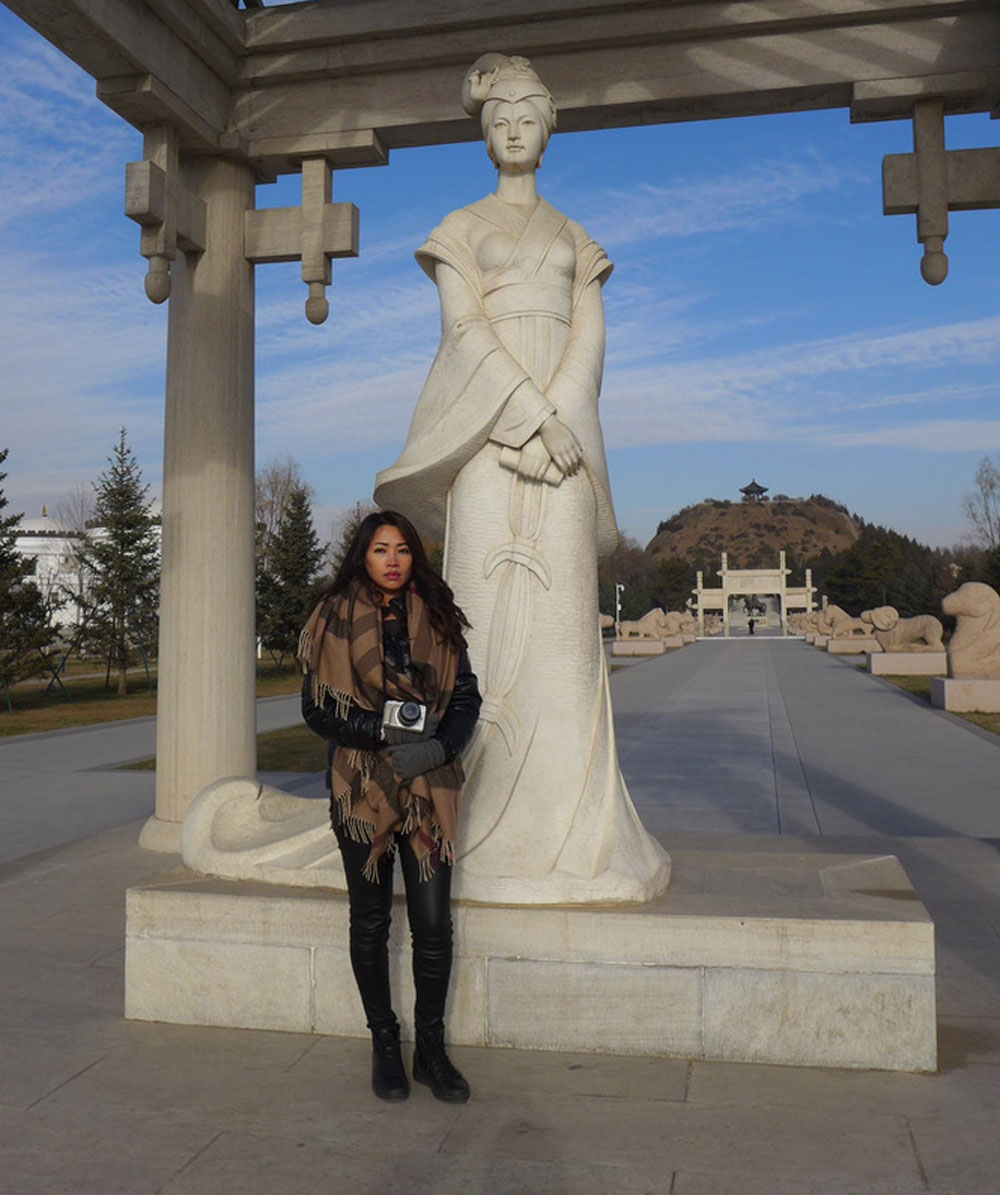
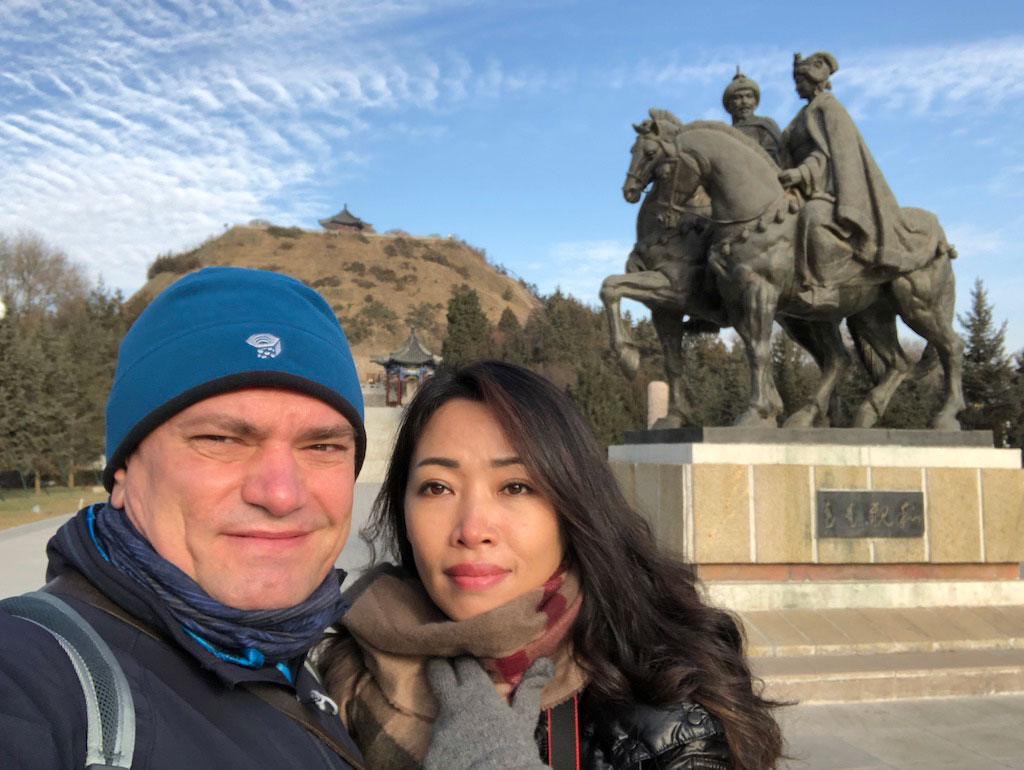
I read a lot about Hunnic and Han history, I was interested in my roots, so I decided to visit the grave of Wang Zhao Jun. The Chinese government created a memorial park where Han culture is also introduced.

In the park with my beautiful Han wife I felt as if we were the reincarnations of the great Hu Hanye Chanyu and Zhaojun.